
Seven Warnings Your Older Parent May Need Expert Physical Therapy
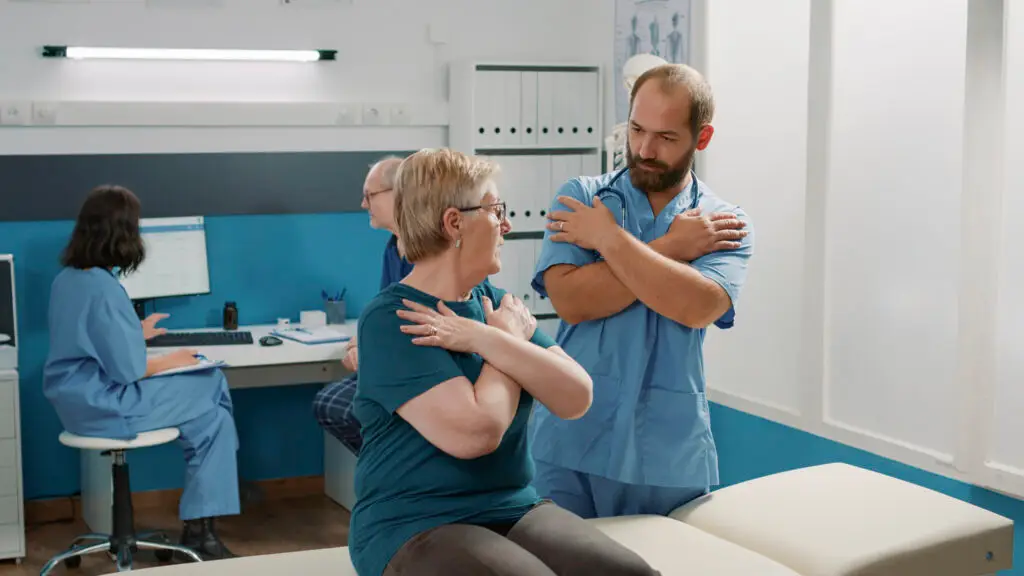
Aging does not automatically mean losing strength, balance, or independence. However, gradual changes in mobility can sometimes go unnoticed until they begin affecting everyday life. An older parent may stop taking walks, avoid stairs, hold onto furniture while moving around the house, or become hesitant about going outside. Families may dismiss these changes as “normal […]
Post-Surgery Rehabilitation at Home: What Families Need to Know

Surgery may end in the operating room, but recovery continues long after the patient returns home. The period following discharge can involve pain, weakness, restricted movement, medication schedules, wound care, dietary changes, and emotional adjustments. For families, this phase can feel overwhelming because they suddenly become an important part of the recovery process. With appropriate […]
After the Floodwaters Receded, the Stories Remained

When floodwaters rise, survival becomes the immediate priority. People search for safety, protect loved ones, secure food and shelter, and try to save whatever possessions they can. Yet when the water recedes, the crisis does not necessarily end. Homes may remain damaged, livelihoods disrupted, schools may be closed, and communities may face uncertainty about what […]
“Sandwich Generation” Stress: Caring for Kids & Aging Parents Together
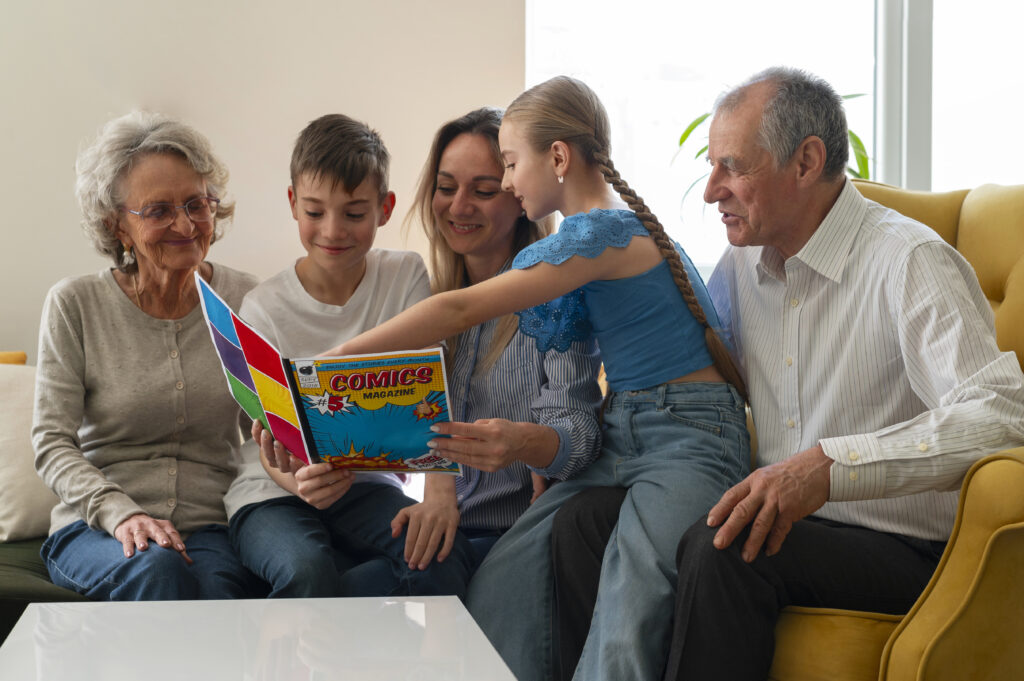
Many adults today find themselves balancing two equally important caregiving responsibilities—raising their children while also supporting ageing parents. Often referred to as the “sandwich generation,” these individuals often experience significant stress as they manage multiple roles simultaneously, including parenting, caregiving, maintaining a career, handling financial responsibilities, and preserving their own well-being. While caregiving can be […]
Learning to Live Alone After Years of Togetherness

For many people, togetherness becomes a way of life. Whether it is a long-term marriage, a close family arrangement, or years spent caring for loved ones, sharing daily routines creates a sense of familiarity and emotional security. When circumstances change, children move away, a relationship ends, or a partner passes away, living alone can feel […]
Emotional Adaptation to Life Changes After Retirement

“For years, your life followed a schedule. Then one day… it doesn’t.” Retirement is often seen as a time of rest, freedom, and enjoyment, and while it can truly offer these benefits, it also brings a subtle emotional and psychological shift. Moving from a structured professional routine to unstructured days can feel both liberating and […]
Moving in With Family vs. Living Independently

The decision to move in with family or live independently is one of the most significant choices individuals make at different stages of life. Whether you are a student, a working professional, or someone navigating life transitions, your living arrangement can greatly influence your emotional well-being, financial stability, and personal development. As awareness around psychological […]
Emotional Dependency and Adjustment Challenges

Human relationships are built on connection, care, and interdependence. However, when emotional reliance on others becomes excessive, it can lead to emotional dependency. This pattern often creates challenges in adapting to change, managing stress, and maintaining a stable sense of self. Emotional dependency is not always obvious. It may appear as a constant need for […]
Identity Crisis After Children Leave Home (Empty Nest Syndrome)

The phase when children leave home marks a profound shift in a parent’s life, often leading to an identity crisis. Commonly referred to as Empty Nest Syndrome (ENS), this period involves emotional, psychological, and social adjustments. While not a clinical diagnosis, ENS reflects a collection of experiences that arise when the parental role—once central—suddenly changes, […]