
Has Technology Changed the Way Families Communicate?

Technology has transformed nearly every aspect of our daily lives, including the way families connect, communicate, and maintain relationships. From instant messaging and video calls to social media and family group chats, digital tools have made it easier than ever to stay in touch, regardless of distance. At the same time, these advancements have introduced […]
When Should Parents Consider Child Counselling?

Every child experiences emotional ups and downs as they grow. From adjusting to school routines to making friends and coping with family changes, children encounter many challenges that shape their emotional development. While occasional mood swings, fears, or behavioral changes are a normal part of childhood, some difficulties persist long enough to interfere with a […]
Caregiver Burnout: How Family Caregivers Can Protect Mental Health

One of the most significant tasks a person may play is providing care for a loved one. Whether supporting an aging parent, a spouse with a chronic illness, or a child with special needs, family caregivers often dedicate countless hours to ensuring the well-being of others. Caregiving has emotional, physical, and psychological obligations, but it […]
Gentle Parenting vs Structured Parenting: What Actually Works?

Parenting styles have evolved significantly over the years, influenced by changing social values, psychological research, and a deeper understanding of child development. Among the most debated approaches today are gentle parenting and structured parenting. While both aim to raise emotionally healthy, responsible, and resilient children, they differ considerably in their methods. Many parents find themselves […]
Parenting in 2026: Balancing Discipline & Emotional Support

The role of families has evolved dramatically in recent years. In 2026, raising children is no longer limited to ensuring academic success or enforcing rules at home. Parents today are navigating a world shaped by digital exposure, social media influence, changing educational expectations, emotional awareness, and growing mental health conversations. Children are becoming more expressive, […]
Inclusive Education Practices for Students on the Spectrum

Inclusive education focuses on creating learning environments where every child, regardless of their abilities, backgrounds, or differences, feels valued, respected, and supported. For students on the autism spectrum, inclusive classrooms go beyond mere physical placement in a general education setting; they emphasise meaningful participation, engagement, and a sense of belonging. This approach involves adapting teaching […]
The Psychology Behind Childhood Defiance

Childhood defiance is a common developmental behaviour that often reflects a child’s attempt to assert independence and test boundaries. While it may appear as stubbornness or disobedience, defiance is usually rooted in a child’s growing sense of self and desire for autonomy. Understanding this behaviour requires looking beyond surface actions and considering emotional, cognitive, social, […]
ADHD and Procrastination: Understanding the Pattern

Procrastination is often misunderstood as laziness or a lack of discipline, but for many individuals, it reflects deeper cognitive, emotional, and psychological challenges. People who struggle with chronic procrastination frequently experience difficulty initiating tasks, maintaining concentration, regulating emotions, and managing competing responsibilities effectively. These struggles are especially common among individuals dealing with stress, anxiety, ADHD, […]
Helping Children Build Healthy Self-Control
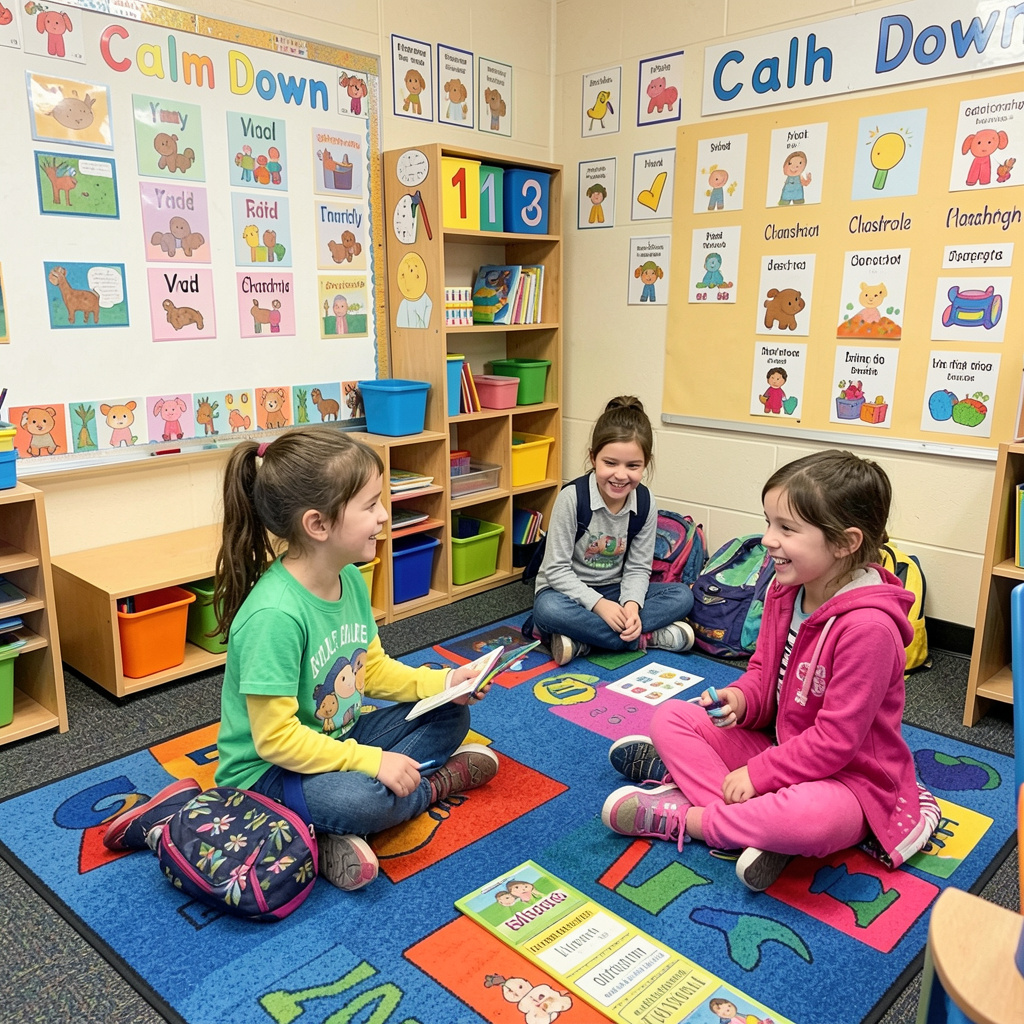
Helping children develop self-control is one of the most valuable gifts caregivers can offer. It shapes how they respond to challenges, manage impulses, and interact with others throughout life. Self-control is not something children are simply born with—it is learned gradually through consistent guidance, supportive environments, and meaningful experiences. When adults model patience, provide structure, […]
Why Predictability Helps Autistic Children Feel Safe

For autistic children, the world can often feel overwhelming, unpredictable, and difficult to navigate. Sensory sensitivities, challenges in processing social cues, and difficulty with sudden changes or transitions can create anxiety and confusion in daily life. In such situations, predictability plays a very important role by offering structure, stability, and a sense of safety. When […]