
Support Groups & Therapy for Elderly Grief
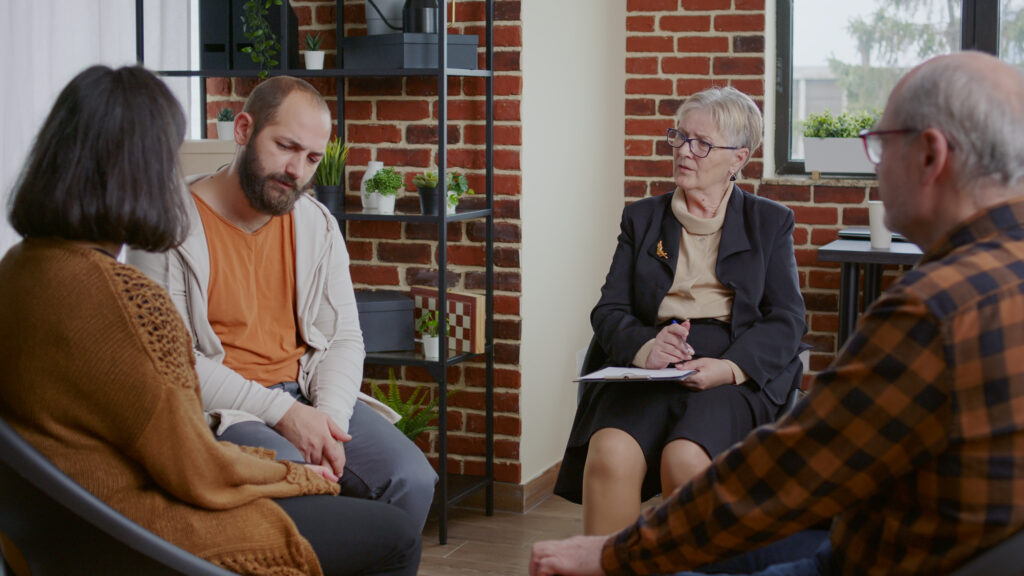
Grief is a natural response to loss, but for older adults, it can become particularly challenging. As people age, they may face multiple losses, including the death of a spouse, close friends, siblings, or even a sense of independence due to health changes. These encounters can cause severe emotional suffering that has an impact on […]
From Risk to Rights: Ensuring Safety for the Elderly
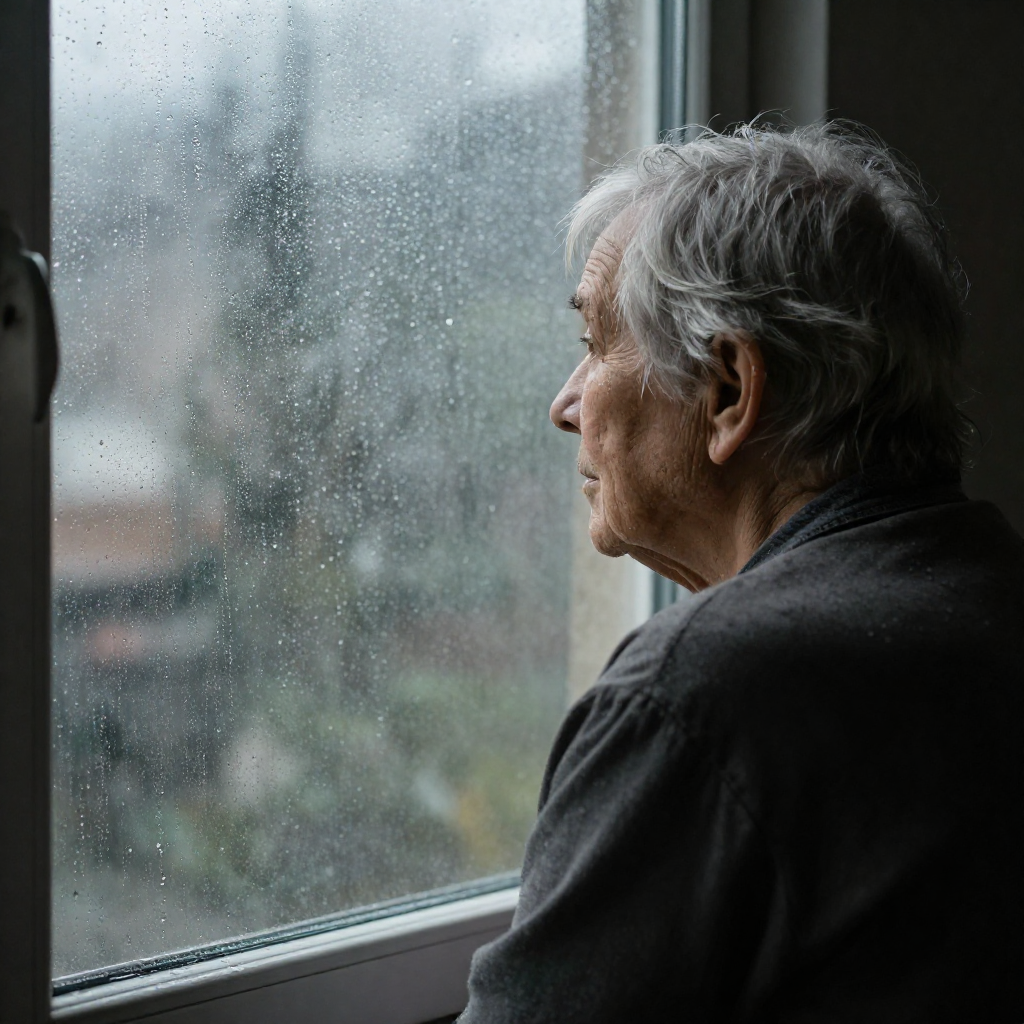
Aging is a natural part of life, yet many older adults face challenges that threaten their safety, dignity, and independence. As populations around the world continue to age, ensuring the well-being of elderly individuals has become a social responsibility rather than simply a family concern. From health-related vulnerabilities to financial exploitation and social isolation, older […]
Guilt and Anxiety from Memory Problems in Ageing
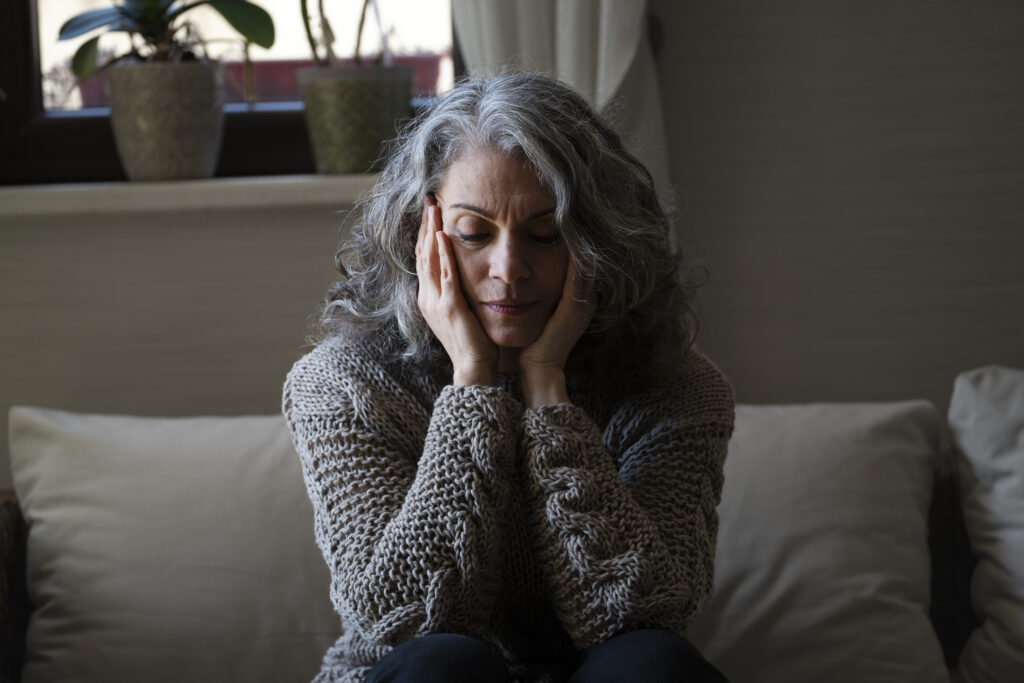
As individuals age, occasional forgetfulness may become more noticeable. While some memory lapses are a normal part of aging, repeated difficulties with remembering names, appointments, or daily tasks can create emotional distress. Older adults may begin to worry about losing independence or becoming dependent on family members. These fears often contribute to persistent anxiety, emotional […]
Issues with Aging in Evolving Indian Scenarios
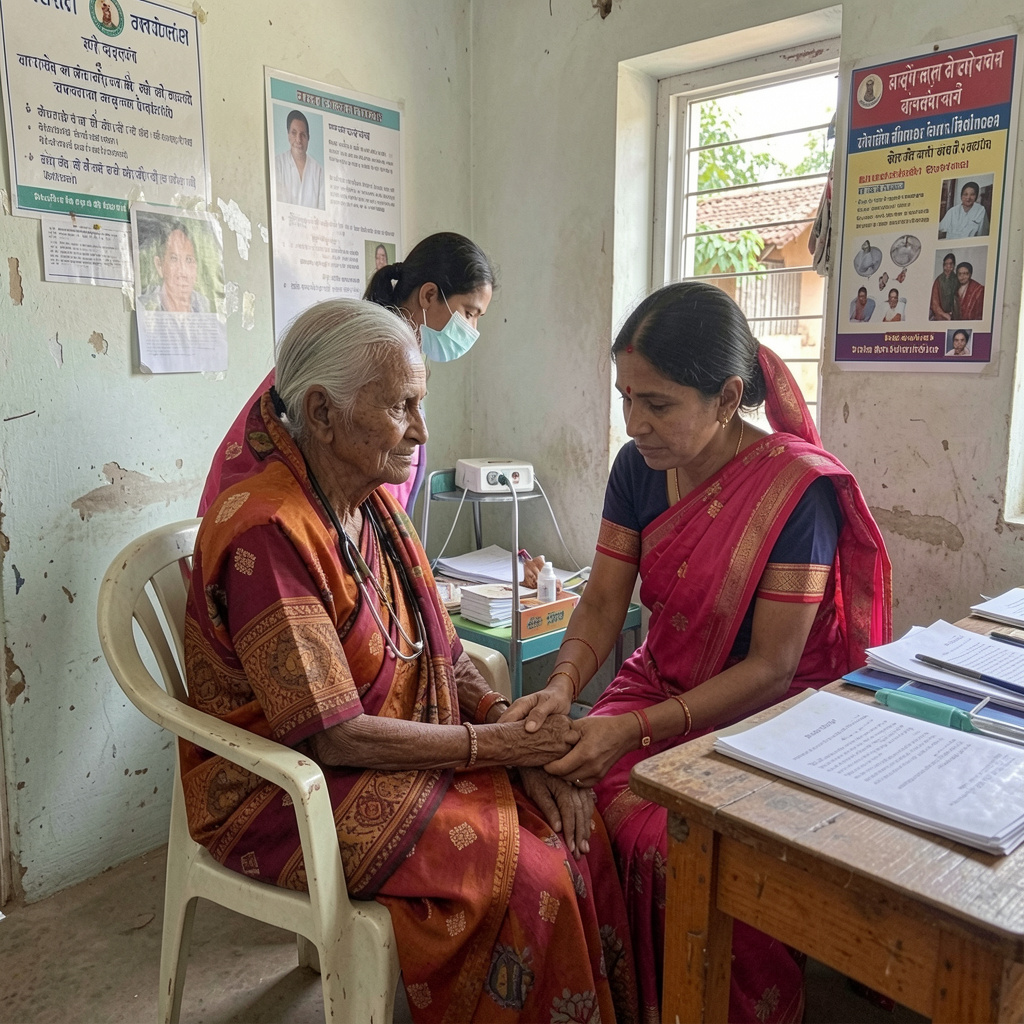
India is witnessing a rapid demographic transition as the elderly population continues to grow. Improvements in healthcare, nutrition, and life expectancy have increased the number of older adults across the country. However, aging in modern India is no longer experienced in the same way it was a few decades ago. Urbanization, migration, changing lifestyles, and […]
Aging & Economic Dependence: Impact on Mental Well-being

Growing older is a natural stage of life, but it often brings major emotional, social, and financial changes. After retirement, many older persons face decreased income, rising medical costs, and an increased need for family members for daily assistance. While financial assistance may help meet practical needs, economic dependence can deeply affect emotional well-being, self-esteem, […]
Medical Care for Elderly Patients in Poor Health

The aging population is growing rapidly across the world, and with it comes an increased need for specialized medical care. Elderly individuals, particularly those in poor health, often face complex medical conditions, limited mobility, and emotional challenges. Ensuring proper medical care for this vulnerable group is not only a healthcare priority but also a social […]
The Growing Need for Geriatric Mental Health Services
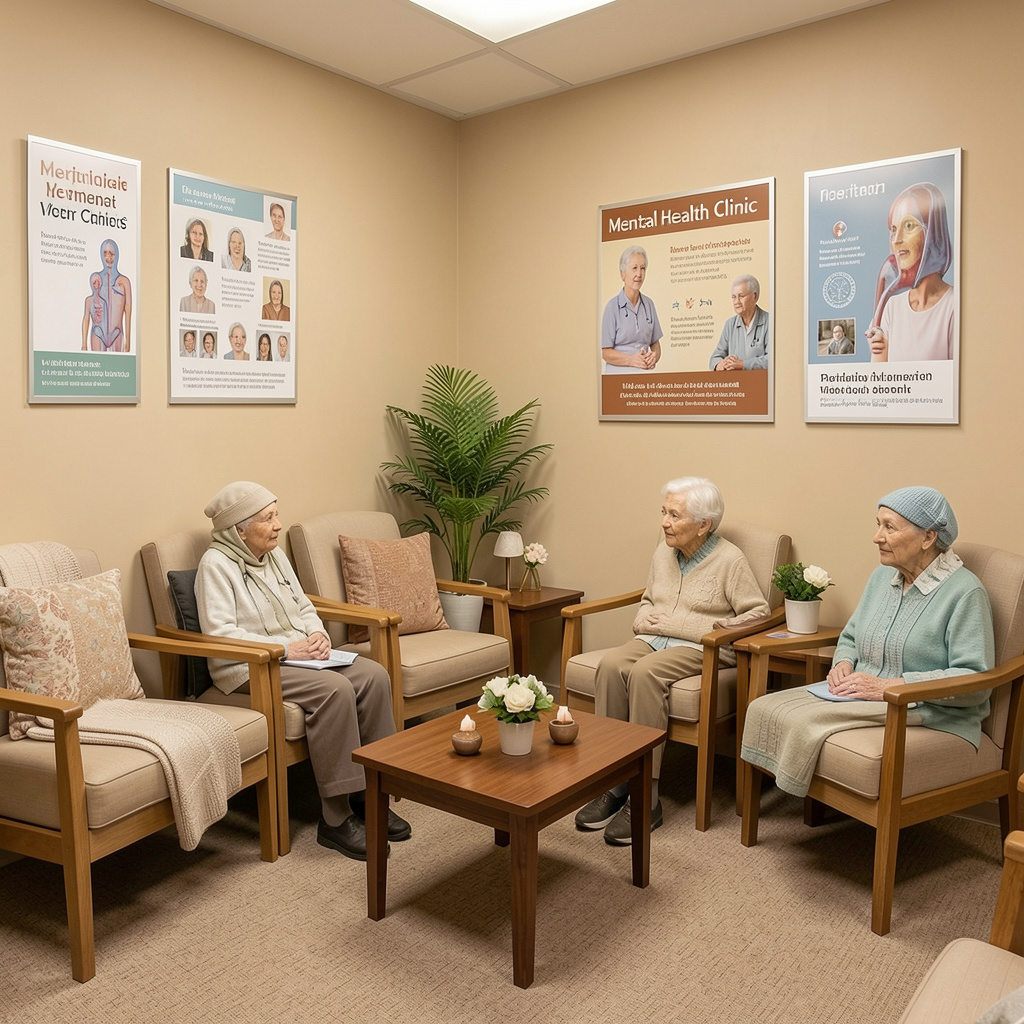
India is undergoing a silent demographic shift. With improved healthcare and increased life expectancy, the population of older adults is expanding rapidly. While this is a positive sign of development, it also brings new challenges, particularly in the area of mental health. Geriatric mental health services are no longer optional; they are essential for ensuring […]
Technology and Aging: The Cost of Being Left Behind

In today’s fast-paced digital world, technology is deeply woven into the fabric of everyday life. From online banking and telemedicine to social media and e-governance, digital tools are transforming how we live, communicate, and access services. While these advancements bring convenience and efficiency, they also highlight a growing concern about the widening digital divide between […]
Health Concerns and Self-Care in Old Age

Aging is a natural and inevitable part of life, bringing with it both wisdom and new challenges. As individuals grow older, they often face a variety of physical, emotional, and social changes that can impact their overall well-being. Understanding common health concerns in old age and adopting effective self-care strategies is essential to ensure a […]
Engaging in Hobbies & Community Activities in Later Life
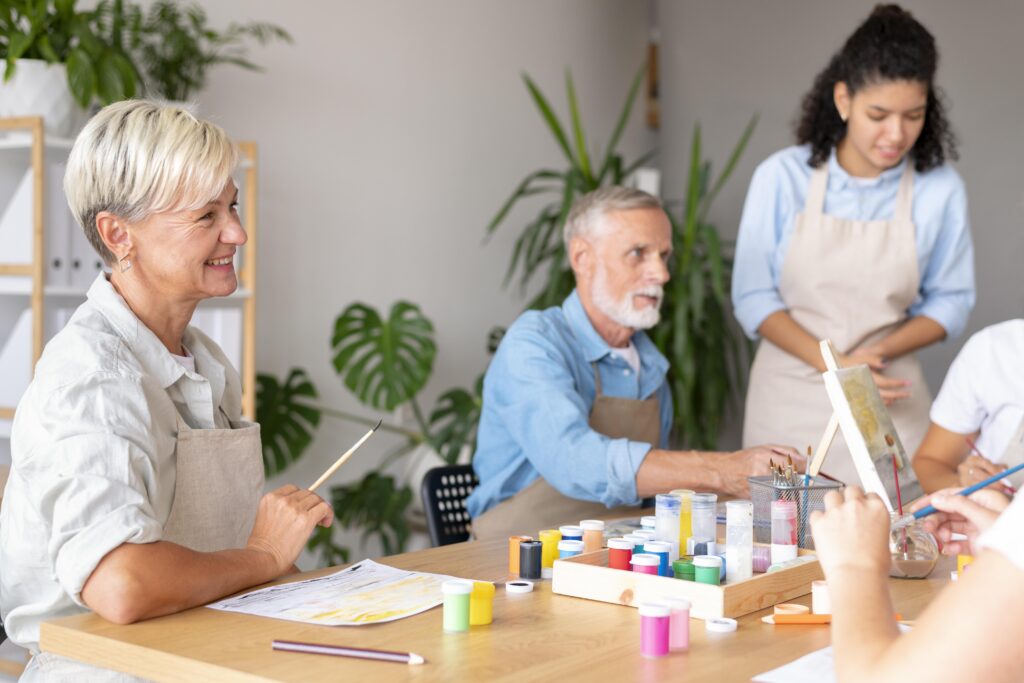
As individuals enter later stages of life, maintaining an active and fulfilling lifestyle becomes increasingly important. Retirement, reduced responsibilities, and changes in social circles can sometimes lead to feelings of loneliness or a lack of purpose. However, engaging in hobbies and community activities offers a powerful way to enhance well-being, promote social interaction, and create […]