
Why Loneliness Feels Stronger in Old Age
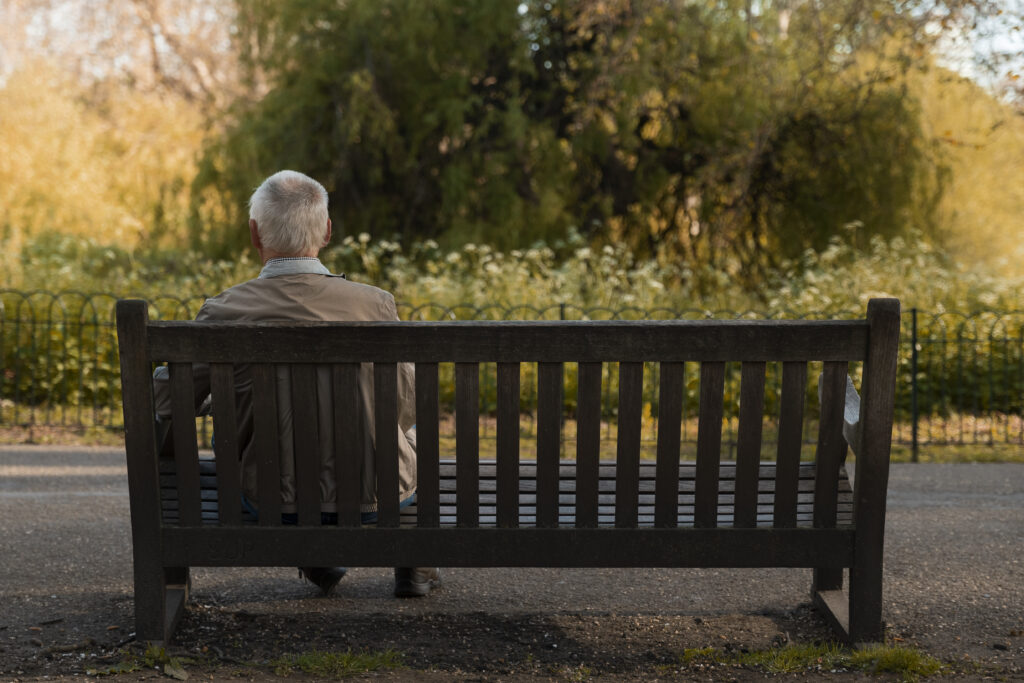
Loneliness in older adulthood is often misunderstood as simply being alone. In reality, it is a deeper emotional experience shaped by loss, change, and shifting social roles. Many older adults may be surrounded by people and still feel a sense of disconnection that is difficult to explain. As life slows down and familiar routines change, […]
Forgiveness and Letting Go in Old Age

As individuals grow older, they often find themselves reflecting on their life experiences with greater depth and clarity. Relationships, decisions, and unresolved conflicts from earlier years may resurface, sometimes carrying emotional weight that has remained unaddressed. Forgiveness and letting go, in this context, are not merely moral ideals but psychological processes that influence well-being in […]
How to Find Peace Without Ending the Marriage

Marriage is often seen as a lifelong commitment, but that does not mean it is always emotionally easy. Many individuals reach a stage where dissatisfaction, emotional distance, or unresolved conflict begins to affect their well-being. Yet, not everyone wants to leave the marriage. For many, the goal is not separation but finding a way to […]
Impact of Children & Family on Late-Life Marital Conflicts

Marriage does not exist in isolation. Over the years, it has become deeply interwoven with children, extended family, and shared responsibilities. While these relationships often strengthen bonds, they can also introduce complexities that resurface in later life. As couples age, shifts in family roles, expectations, and dependencies can influence marital dynamics in subtle yet significant […]
Sleep Hygiene for All Ages: Improving Mood & Cognitive Function

Sleep is often viewed as a passive state, something that simply marks the end of a busy day. In reality, it is a highly active and essential biological process that supports both mental and physical health. Across all stages of life, quality sleep plays a central role in stabilizing mood, enhancing cognitive performance, and maintaining […]
Bullying and Its Impact on Child Mental Health

Bullying is a serious issue that affects children across different age groups and environments, including schools, neighbourhoods, and even online spaces. It involves repeated aggressive behaviour intended to harm, intimidate, or control another individual. Bullying can take many forms, such as physical aggression, verbal abuse, social exclusion, or cyberbullying. Its impact goes beyond immediate distress, […]
The Psychology of Overparenting: How It Impacts Both You and Your Child

Parenting today often comes with heightened awareness, responsibility, and pressure to “get it right.” In this context, overparenting—sometimes referred to as excessive or intrusive parenting—has become increasingly common. It involves a pattern where parents become overly involved in their child’s life, often managing situations the child could handle independently. While the intention is usually to […]
Recognizing Hidden Anxiety in Older Adults

Anxiety is often associated with younger individuals facing work stress or academic pressure, but it is also a significant concern among older adults. Unfortunately, anxiety in seniors is frequently overlooked or misunderstood. Many emotional struggles are hidden behind physical complaints, lifestyle changes, or the natural challenges associated with aging. Recognizing hidden anxiety in older adults […]
Coping with Physical Limitations in Older Age
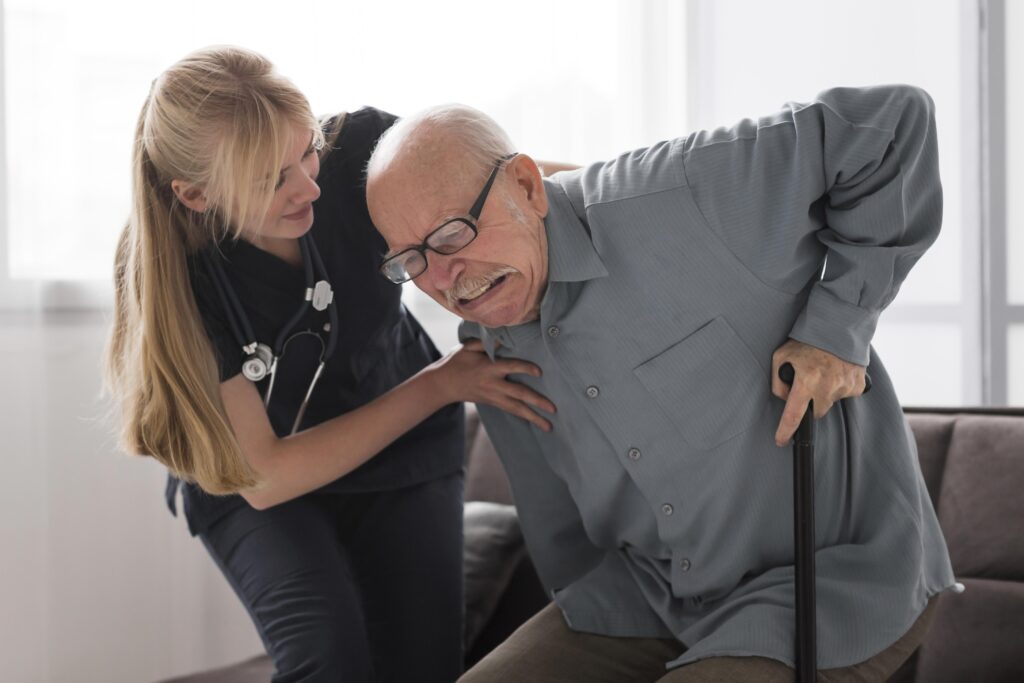
Aging is a natural and inevitable part of life, often accompanied by various physical changes. While these changes can bring wisdom and experience, they may also introduce challenges such as reduced mobility, chronic illnesses, and decreased strength. Coping with physical limitations in older age requires a balanced approach that includes emotional resilience, social support, and […]
Memory Decline and Self-Esteem in Older Adults

Aging is a natural process that brings about several physical, emotional, and cognitive changes. Among these, memory decline is one of the most common concerns experienced by older adults. While occasional forgetfulness is a normal part of aging, persistent memory issues can significantly impact an individual’s confidence, independence, and overall sense of self-worth. Understanding the […]