
Gentle Parenting vs Structured Parenting: What Actually Works?

Parenting styles have evolved significantly over the years, influenced by changing social values, psychological research, and a deeper understanding of child development. Among the most debated approaches today are gentle parenting and structured parenting. While both aim to raise emotionally healthy, responsible, and resilient children, they differ considerably in their methods. Many parents find themselves […]
From Risk to Rights: Ensuring Safety for the Elderly

Aging is a natural part of life, yet many older adults face challenges that threaten their safety, dignity, and independence. As populations around the world continue to age, ensuring the well-being of elderly individuals has become a social responsibility rather than simply a family concern. From health-related vulnerabilities to financial exploitation and social isolation, older […]
Public-Private Partnerships in Social Development

Social development is a collective responsibility that extends beyond the efforts of governments alone. Addressing challenges such as poverty, education gaps, healthcare accessibility, mental health awareness, women’s empowerment, skill development, and community welfare requires collaboration among multiple stakeholders. In recent years, public-private partnerships have emerged as a powerful model for creating sustainable social impact by […]
Women Empowerment Through NGO Initiatives
Women play a vital role in shaping families, communities, and societies. However, many women across India still face barriers related to education, employment, healthcare, and decision-making opportunities. Over the years, non-governmental organizations (NGOs) have emerged as powerful agents of social change by creating opportunities for women to achieve independence, dignity, and equality. These initiatives focus […]
Role of In-Laws & Extended Family in Elder Conflicts

As people age, family relationships often become more complex. Older adults depend on family members for emotional support, companionship, healthcare decisions, and financial assistance. While family can be a source of comfort and security, it can also become a source of tension. One significant aspect of family dynamics involves the role of in-laws and extended […]
The Role of Mindfulness in Stress Management

Stress has become an inevitable aspect of contemporary life. Whether it stems from work responsibilities, academic pressure, financial concerns, family obligations, or social expectations, prolonged stress can negatively impact both physical and psychological well-being. In recent years, mindfulness has emerged as one of the most effective and accessible tools for managing stress. Rooted in ancient […]
Late-Onset Schizophrenia: When Psychosis Appears After 60

Mental health conditions in older adulthood are often misunderstood or overlooked. Among these conditions, schizophrenia that develops after the age of 60 presents unique emotional, social, and medical challenges. Late-onset psychosis may include hallucinations, suspicious thoughts, confusion, or withdrawal from social interaction. Because these symptoms can resemble dementia or neurological disorders, diagnosis is often delayed. […]
Dealing with Guilt After the Death of a Partner

Losing a life partner is one of the most emotionally painful experiences a person can go through. A spouse or partner is often not just a companion but also a source of emotional support, identity, comfort, and shared memories. After their death, people experience deep grief, loneliness, confusion, and emotional emptiness. Along with sadness, many […]
Why Do Marital Conflicts Increase in Old Age?

Marriage is often imagined as becoming calmer and more peaceful with age. Many people believe that couples naturally get closer and more understanding after retiring, having children, and spending decades together. But reality can be more nuanced. For many elderly couples, marital conflicts actually increase in old age. Long-standing unresolved issues, health concerns, financial dependency, […]
The Psychology Behind Childhood Defiance
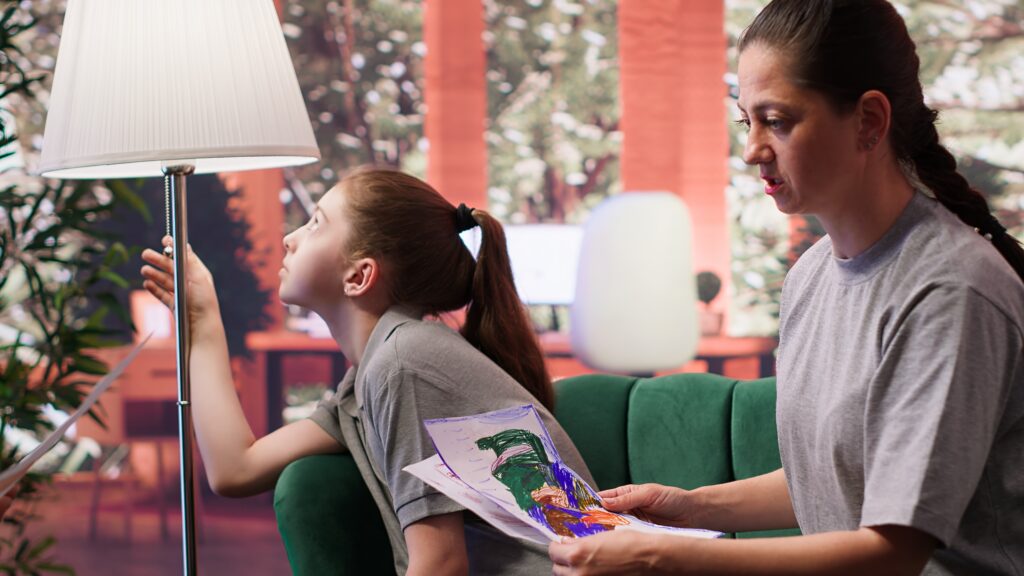
Childhood defiance is a common developmental behaviour that often reflects a child’s attempt to assert independence and test boundaries. While it may appear as stubbornness or disobedience, defiance is usually rooted in a child’s growing sense of self and desire for autonomy. Understanding this behaviour requires looking beyond surface actions and considering emotional, cognitive, social, […]