
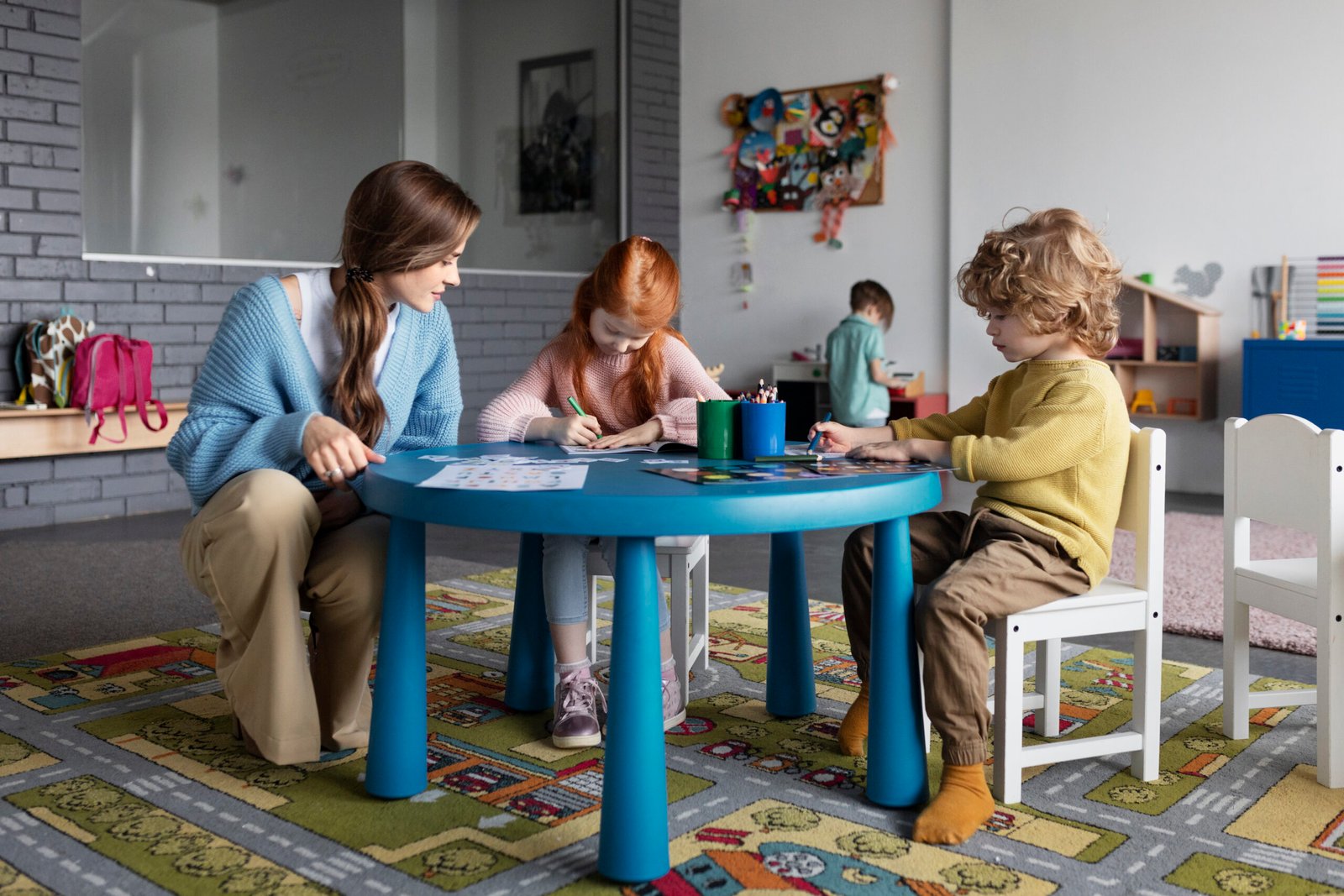
The physical and emotional environment plays a crucial role in shaping behaviour, learning, and psychological well-being. For autistic individuals, differences in sensory processing, communication, and emotional regulation make environmental design especially important. Creating autism-friendly spaces at home and school is not about eliminating challenges but about reducing unnecessary stressors and fostering safety, predictability, and inclusion. From a psychological perspective, supportive environments can significantly enhance emotional regulation, learning, and overall quality of life for autistic children and adolescents.
Understanding Autism-Friendly Environments
Autism Spectrum Disorder (ASD) is a neurodevelopmental condition characterised by variations in social communication, sensory processing, and cognitive flexibility. Many autistic individuals experience heightened sensitivity to sensory input such as sound, light, touch, and movement. When environments are overwhelming or unpredictable, the nervous system may remain in a state of hyperarousal, leading to anxiety, meltdowns, shutdowns, or withdrawal.
Autism-friendly spaces are designed with an understanding of these sensory and psychological needs. They emphasise structure, clarity, emotional safety, and flexibility, allowing individuals to engage with their surroundings more comfortably and confidently.
Many dedicated organisations and NGOs in Delhi NCR actively work in the field of autism support, one of which is the Global Development Foundation (GDF). This organisation focuses on improving access to quality education, offering developmental and mental health support, and creating inclusive services for children and young people with disabilities. Alongside similar NGO for autism initiatives, these efforts help connect educational services with therapeutic support and create pathways toward sustainable employment and independent living for individuals on the autism spectrum.
Psychological Benefits of Autism-Friendly Spaces
1. Improved Emotional Regulation
Predictable and supportive environments help reduce anxiety and emotional dysregulation. When autistic individuals know what to expect, their sense of control increases, allowing them to manage emotions more effectively. Visual cues, consistent routines, and clear boundaries provide psychological safety and reduce uncertainty.
From a psychological standpoint, reduced environmental stress supports self-regulation and lowers the risk of chronic anxiety and emotional exhaustion.
2. Enhanced Attention and Learning
Sensory overload can interfere with attention, memory, and information processing. Autism-friendly spaces minimise distracting stimuli, allowing individuals to focus and engage more fully in learning tasks. Calm, well-organised environments support executive functioning skills such as planning, task initiation, and sustained attention.
Research in educational psychology highlights that environmental adaptations can significantly improve academic engagement and learning outcomes for autistic students.
Creating Autism-Friendly Spaces at Home
The home environment is often the primary space where autistic children feel safe and understood. Thoughtful adaptations can strengthen emotional security and independence.
1. Sensory-Sensitive Design
Reducing sensory overload at home is essential. Soft lighting, neutral wall colours, minimal clutter, and reduced background noise can create a calming atmosphere. Sensory tools such as weighted blankets, noise-cancelling headphones, or tactile objects can support self-regulation.
It is important to recognise that sensory preferences vary. Psychologically, involving the individual in choosing sensory supports fosters autonomy and self-awareness.
2. Structured and Predictable Routines
Clear daily routines help autistic individuals anticipate transitions and reduce anxiety. Visual schedules, timers, and labelled storage spaces support predictability and independence. When changes are unavoidable, preparing in advance through social stories or visual cues can ease emotional distress.
Consistency at home reinforces a sense of stability, which is foundational for emotional well-being.
3. Safe Spaces for Regulation
Designating a quiet, low-stimulation area for relaxation or emotional regulation is highly beneficial. This space should not be used as punishment but as a supportive retreat where the individual can decompress. From a psychological perspective, having access to a safe space promotes emotional self-regulation and coping skills.
Creating Autism-Friendly Spaces at School
Schools are complex sensory and social environments. Making classrooms and common areas autism-friendly requires planning and collaboration.
1. Classroom Environment and Sensory Support
Autism-friendly classrooms reduce excessive noise, harsh lighting, and visual overload. Flexible seating, access to sensory breaks, and designated quiet spaces help students manage sensory input more effectively. Allowing fidget tools or short movement breaks can enhance focus and lower stress levels. For families exploring additional support beyond school, searching for autism therapy centres near me can help identify professional services that complement classroom-based accommodations.
From a psychological perspective, these adjustments convey acceptance and understanding, reinforcing a sense of safety and belonging.
2. Visual Supports and Clear Communication
Direct and structured communication plays a crucial role in supporting autistic students. Visual timetables, written instructions, and visual cues clarify expectations and transitions. Breaking activities into smaller, achievable steps reduces cognitive overload and builds confidence. Educators trained in neurodiversity-affirming communication practices can significantly improve both emotional well-being and academic participation. When such strategies need reinforcement, autism centres near me can offer targeted interventions to strengthen communication and executive functioning skills.
3. Predictable Routines and Transition Support
Transitions within the school environment—such as moving between classes, teachers, or activities—can be especially stressful. Providing advance notice, visual transition prompts, and consistent routines helps ease anxiety. Psychologically, predictability supports emotional regulation and minimises stress-related behavioural responses.
4. Social and Emotional Safety
Beyond physical design, autism-friendly environments must prioritise emotional safety. Autistic individuals may face social misunderstanding, exclusion, or bullying, particularly in educational settings. Inclusive spaces are built by promoting empathy, acceptance, and respect among students and educators alike. Psychological research consistently shows that emotional safety is essential for healthy self-esteem, motivation, and overall mental health. Anti-bullying initiatives, peer awareness programs, and inclusive practices help foster a supportive social climate.
Role of Parents, Educators, and Mental Health Professionals
Developing autism-friendly spaces requires collaboration. Parents, teachers, psychologists, and occupational therapists each play a vital role in understanding individual needs and implementing effective strategies. Ongoing communication ensures consistency across home and school environments. Mental health professionals further support families and institutions by identifying sensory sensitivities, strengthening emotional regulation skills, and adopting strengths-based approaches. This interdisciplinary effort significantly improves long-term developmental and psychological outcomes.
Long-Term Impact on Psychological Well-Being
Autism-friendly environments have lasting psychological benefits. Individuals raised in supportive spaces are more likely to develop adaptive coping skills, positive self-concepts, and resilience. These environments reduce the risk of secondary mental health concerns such as anxiety and depression.
Importantly, autism-friendly design benefits not only autistic individuals but also others who thrive in calm, structured, and inclusive environments, highlighting the universal value of thoughtful environmental design.
Psychological support is essential for helping autistic adults cope with the complexities of the workplace. Through structured evaluations, career-focused guidance, and targeted therapeutic support, services provided by Psychowellness Center assist individuals in developing emotional regulation, reducing work-related stress, and enhancing self-advocacy and adaptive skills. At the same time, digital platforms such as TalktoAngel increase access to professional mental health care by linking autistic adults and their families with experienced psychologists online, particularly when in-person support or appropriate workplace accommodations are not readily available.
Conclusion
Creating autism-friendly spaces at home and school is a powerful and compassionate approach to supporting autistic individuals’ psychological well-being. By reducing sensory overload, enhancing predictability, and fostering emotional safety, these environments enable autistic children and adolescents to learn, grow, and thrive.
From a psychological perspective, when environments are designed with empathy and understanding, they become tools for empowerment rather than sources of stress. Autism-friendly spaces are not special accommodations; they are foundations for inclusion, dignity, and mental health.
Contribution: Dr R.K. Suri, Clinical Psychologist, and Ms. Sakshi Dhankhar, Counselling Psychologist.
References
https://www.psychowellnesscenter.com/Blog/creating-a-mental-health-friendly-home
https://www.psychowellnesscenter.com/Blog/mastering-the-art-of-connecting-with-your-autistic-child
American Psychiatric Association. (2022). Diagnostic and statistical manual of mental disorders (5th ed., text rev.). APA Publishing.
Ashburner, J., Ziviani, J., & Rodger, S. (2008). Sensory processing and classroom emotional, behavioral, and educational outcomes in children with autism spectrum disorder. American Journal of Occupational Therapy, 62(5), 564–573. https://doi.org/10.5014/ajot.62.5.564
Baranek, G. T. (2002). Efficacy of sensory and motor interventions for children with autism. Journal of Autism and Developmental Disorders, 32(5), 397–422. https://doi.org/10.1023/A:1020541906063
Humphrey, N., & Lewis, S. (2008). Make me normal: The views and experiences of pupils on the autistic spectrum in mainstream secondary schools. Autism, 12(1), 23–46. https://doi.org/10.1177/1362361307085267