
-
Parenting a Child with Anxiety: Role of Schools, NGOs, & Counselors
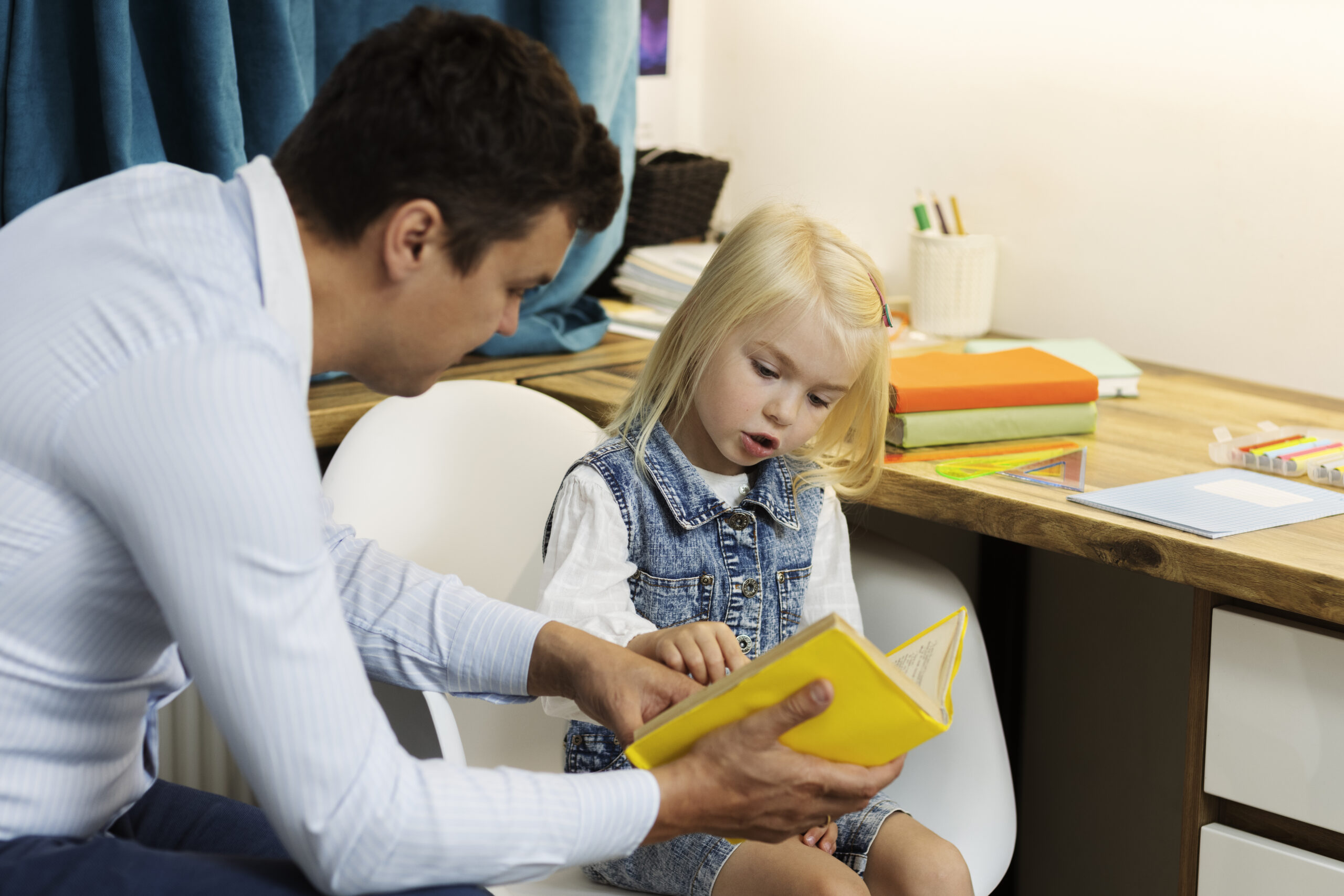
Parenting comes with many joys and challenges, but watching a child struggle with anxiety can be particularly difficult. Anxiety in children is becoming increasingly common due to academic pressures, social expectations, family changes, and the fast-paced digital world. Persistent worry can hinder schoolwork, friendships, and general development, although sporadic anxieties are a typical part of…
-
Intergenerational Bonding: Benefits for Children & the Elderly
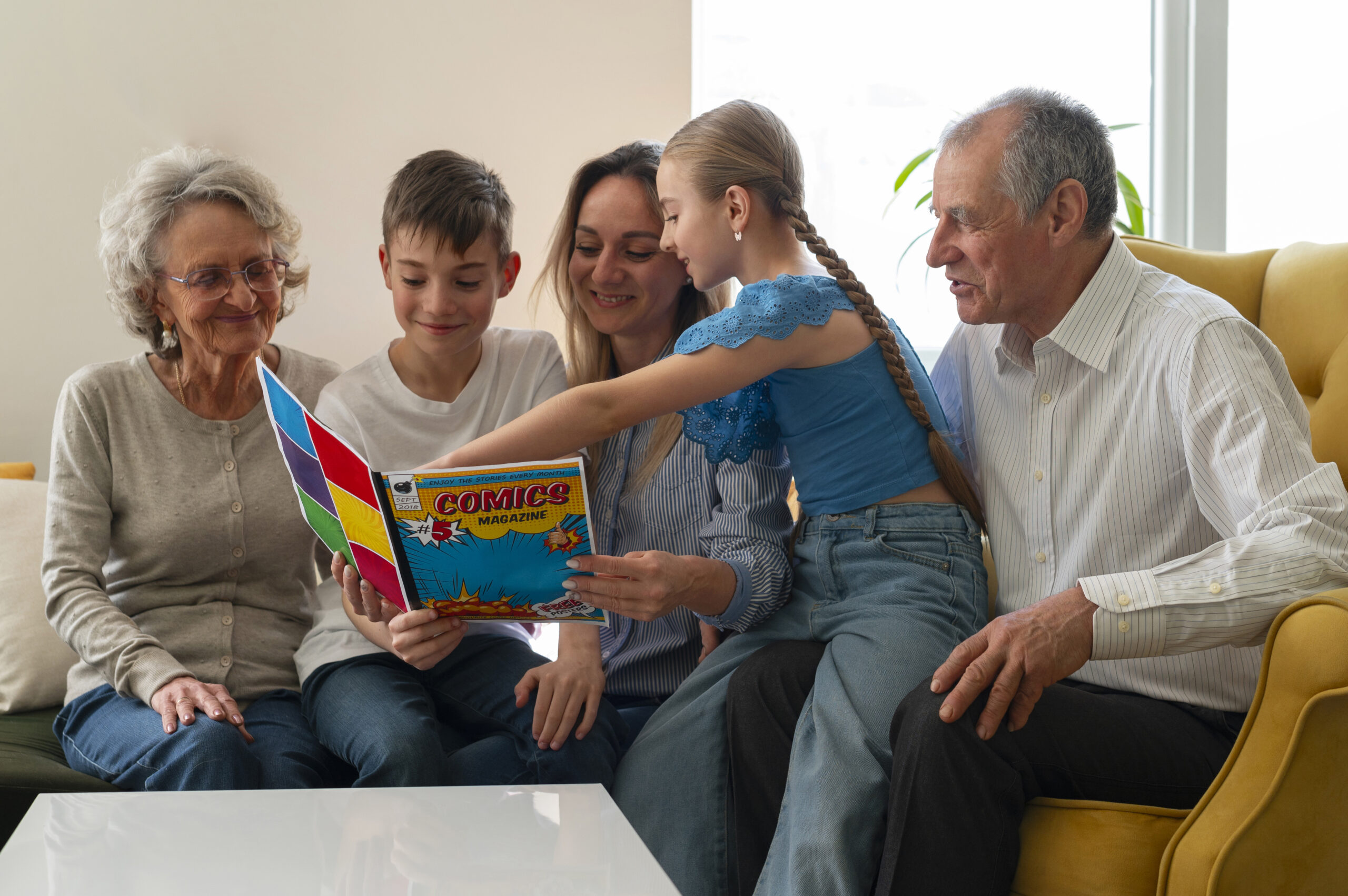
In today’s fast-moving world, families and how we relate to one another are changing. Many children grow up with limited contact with older adults, while many elderly individuals experience loneliness and social isolation. Intergenerational bonding, the meaningful interaction between children and older adults, offers a powerful solution that benefits both age groups. These relationships create…
-
Helping Autistic Children Navigate Friendships
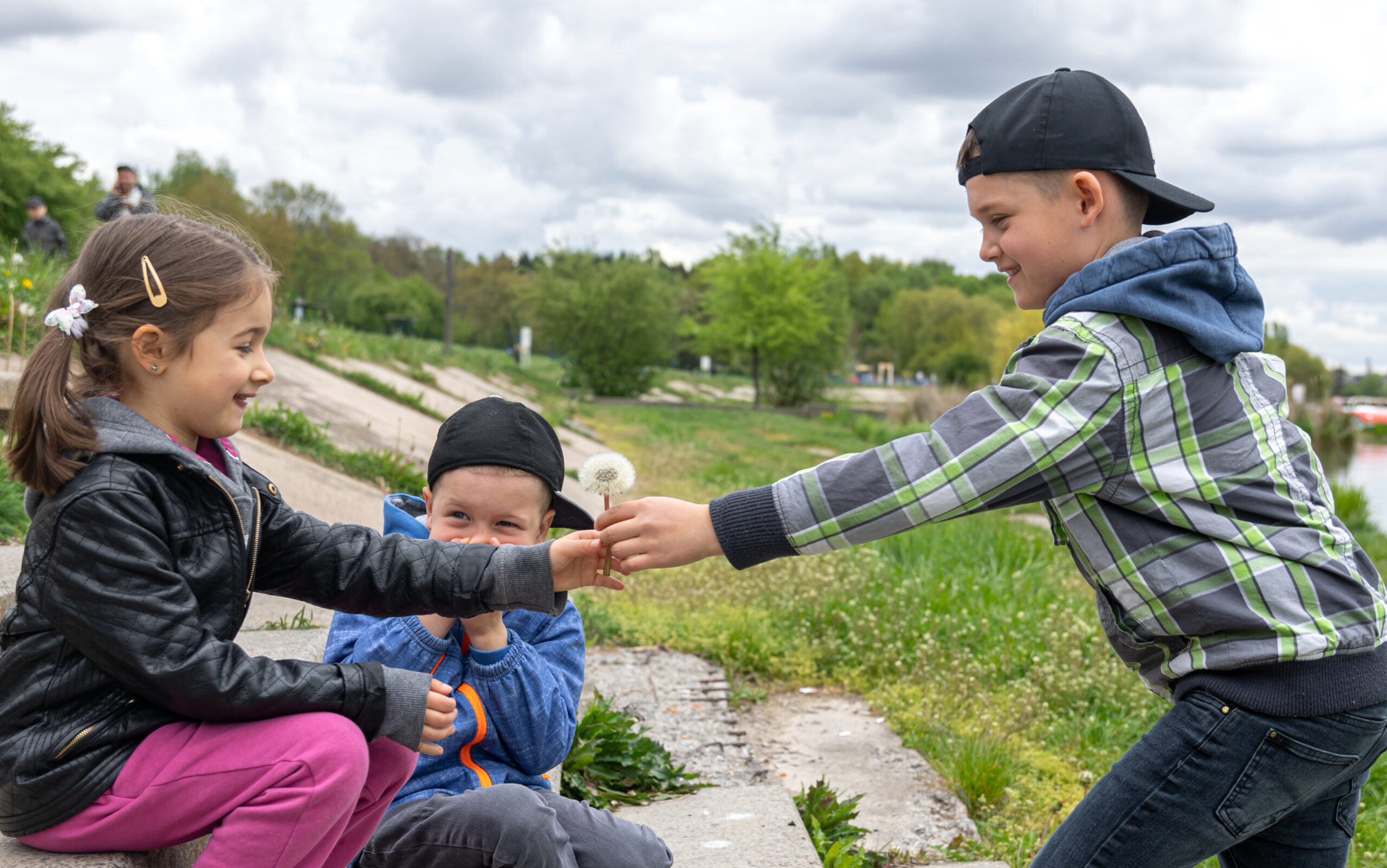
Friendships are an essential part of childhood and play a vital role in emotional and social development. Through friendships, children learn how to share, cooperate, communicate, and understand others’ perspectives. However, for children with autism, forming and maintaining friendships can be more challenging due to differences in communication, social understanding, and emotional expression. With the…
-
Why Children on the Autism Spectrum Show Repetitive Behaviors
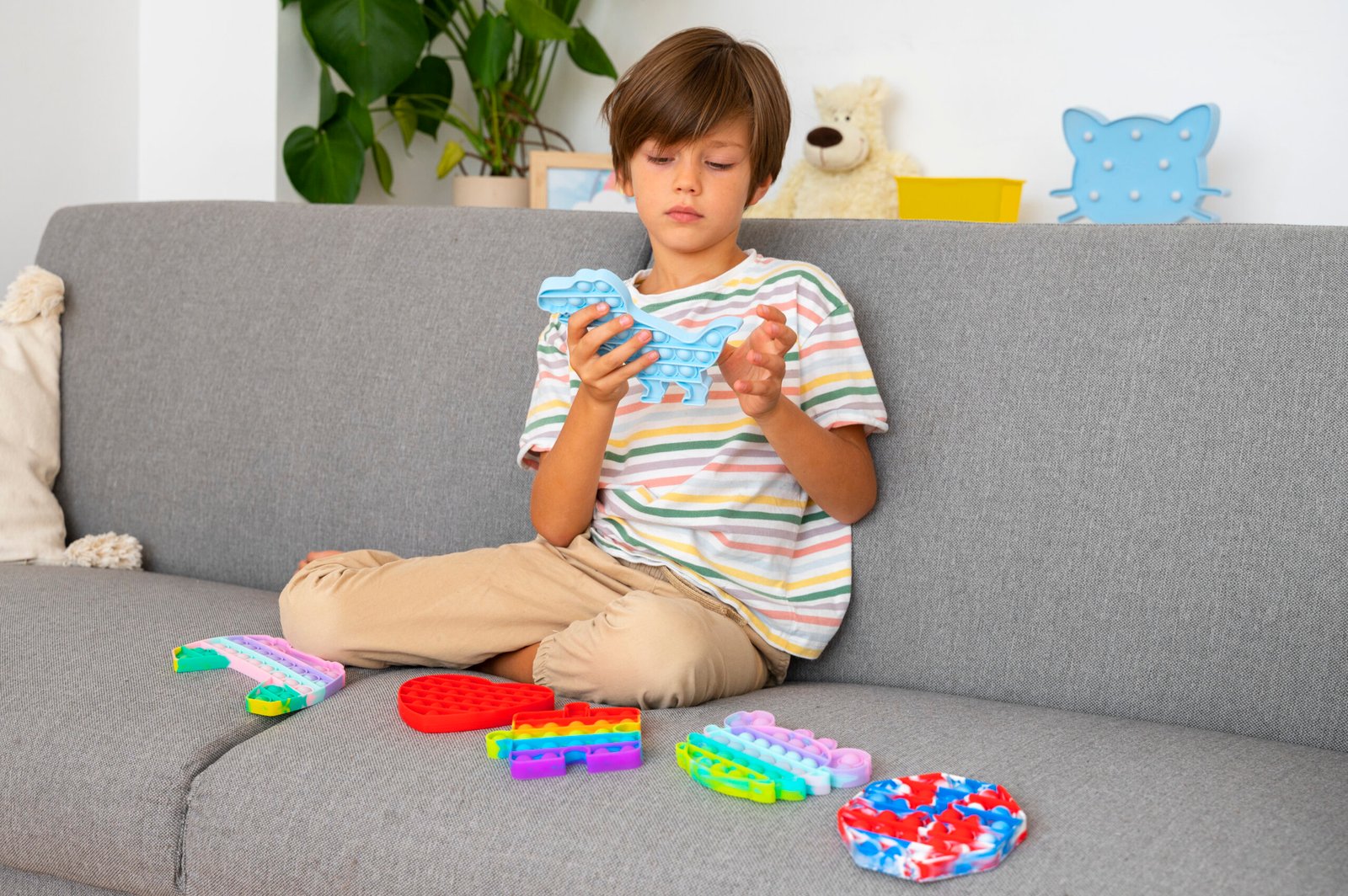
Repetitive behaviors are one of the most recognized characteristics of children on the autism spectrum. These behaviors—often referred to as repetitive or restricted behaviors—can include hand-flapping, rocking, lining up objects, repeating words or phrases, or following rigid routines. While these actions may appear puzzling or concerning to caregivers and educators, they play an important role…
-
Creating Autism-Friendly Spaces at Home and School
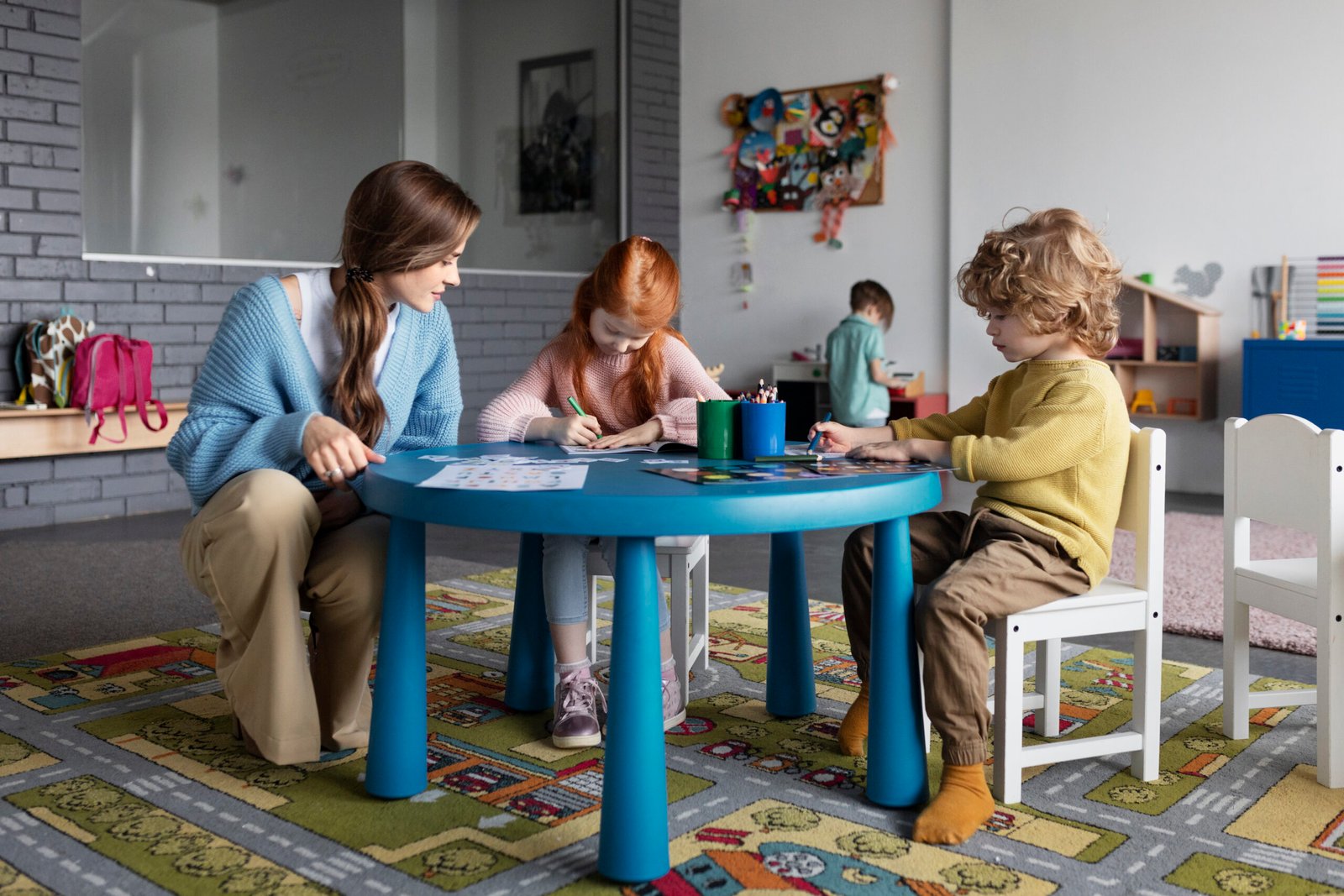
The physical and emotional environment plays a crucial role in shaping behaviour, learning, and psychological well-being. For autistic individuals, differences in sensory processing, communication, and emotional regulation make environmental design especially important. Creating autism-friendly spaces at home and school is not about eliminating challenges but about reducing unnecessary stressors and fostering safety, predictability, and inclusion.…
-
Autism and Disability Rights: What Every Parent Should Know
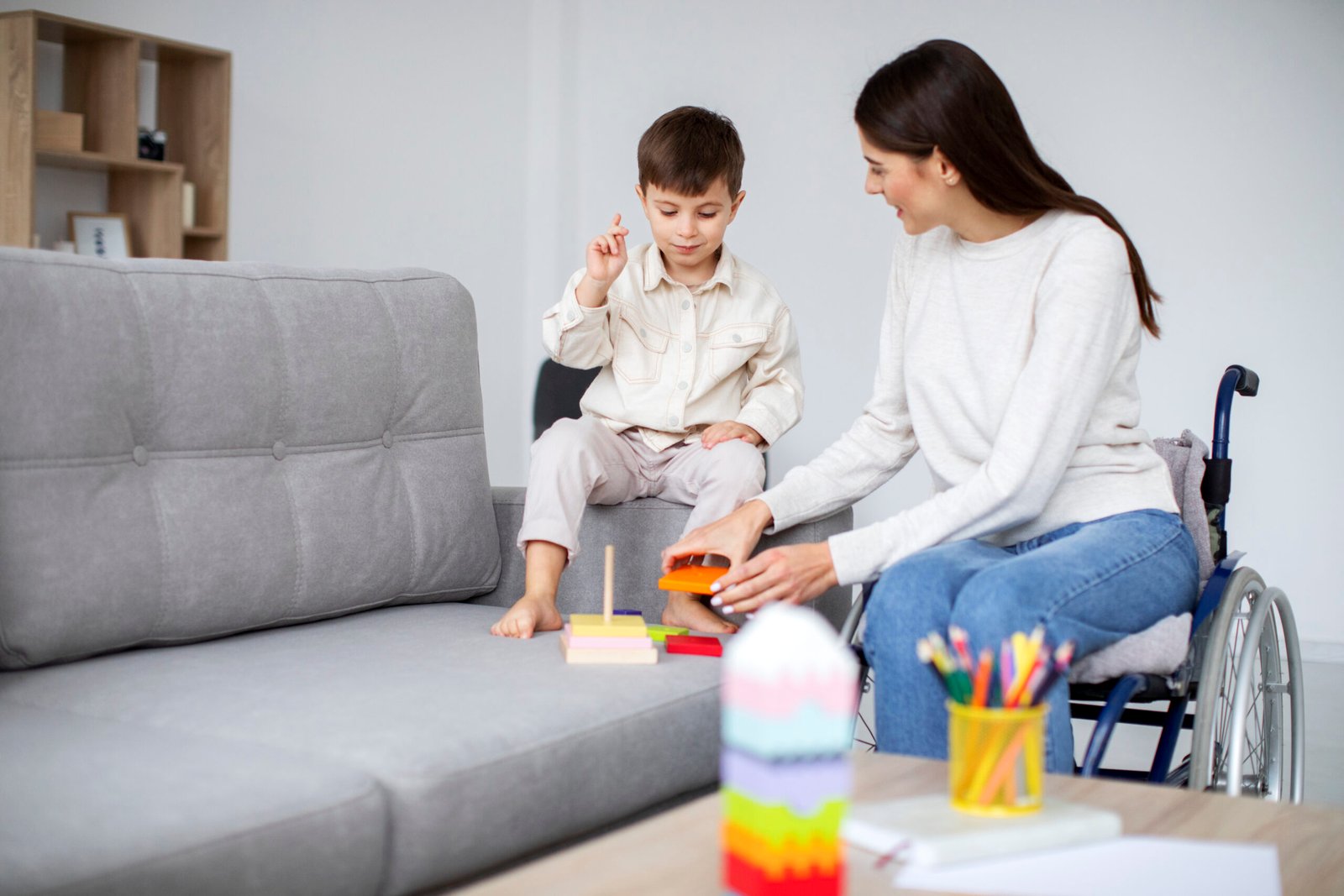
Parenting a child on the autism spectrum is a journey that involves patience, continuous learning, and strong advocacy. Beyond understanding developmental needs, awareness of autism and disability rights is essential to ensure that children receive dignity, protection, and equal opportunities. These rights are not about special treatment but about fairness, accessibility, diversity & inclusion. Informed…
-
Understanding Routines and Transitions for Autistic Children
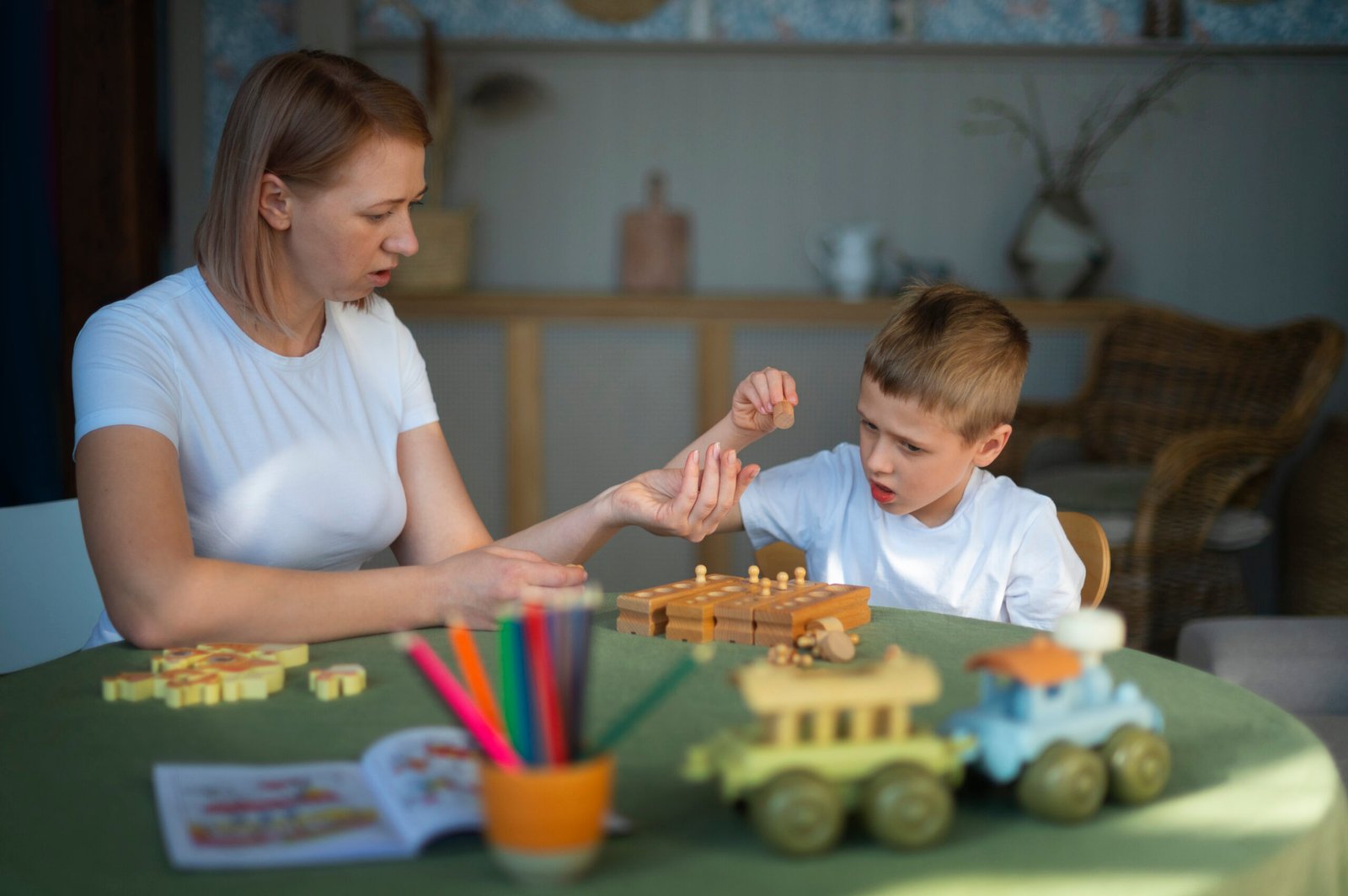
Routines and transitions play a central role in the emotional and psychological well-being of autistic children. For many children on the autism spectrum, predictability provides a sense of safety and control in a world that can often feel overwhelming and unpredictable. From a psychological perspective, difficulties with changes in routine and transitions are not behavioural…
-
Autism and Employment: Creating Opportunities for Adults on the Spectrum

Employment is more than a means of financial independence; it is closely linked to identity, self-worth, social inclusion, and psychological well-being. For adults on the autism spectrum, however, accessing and sustaining meaningful employment remains a significant challenge. Despite having valuable skills, unique cognitive strengths, and strong work ethics, autistic adults experience disproportionately high rates of…