
Role of Children in Supporting a Widowed Parent

The loss of a spouse is one of the most emotionally painful experiences an individual can face, especially during later stages of life. For widowed parents, the absence of a life partner often creates emotional emptiness, uncertainty, and major lifestyle adjustments. Losing a companion who shared decades of memories, responsibilities, and emotional support can lead […]
Is Independence Making Us Lonelier?

In today’s fast-paced and individualistic world, independence is often celebrated as a hallmark of success and maturity. From living alone in urban apartments to pursuing personal goals without familial constraints, modern society encourages autonomy like never before. But beneath this empowering narrative lies an uncomfortable question: Is our growing independence making us lonelier? This paradox […]
Mental Health Support for Underprivileged Children: The Role of NGOs
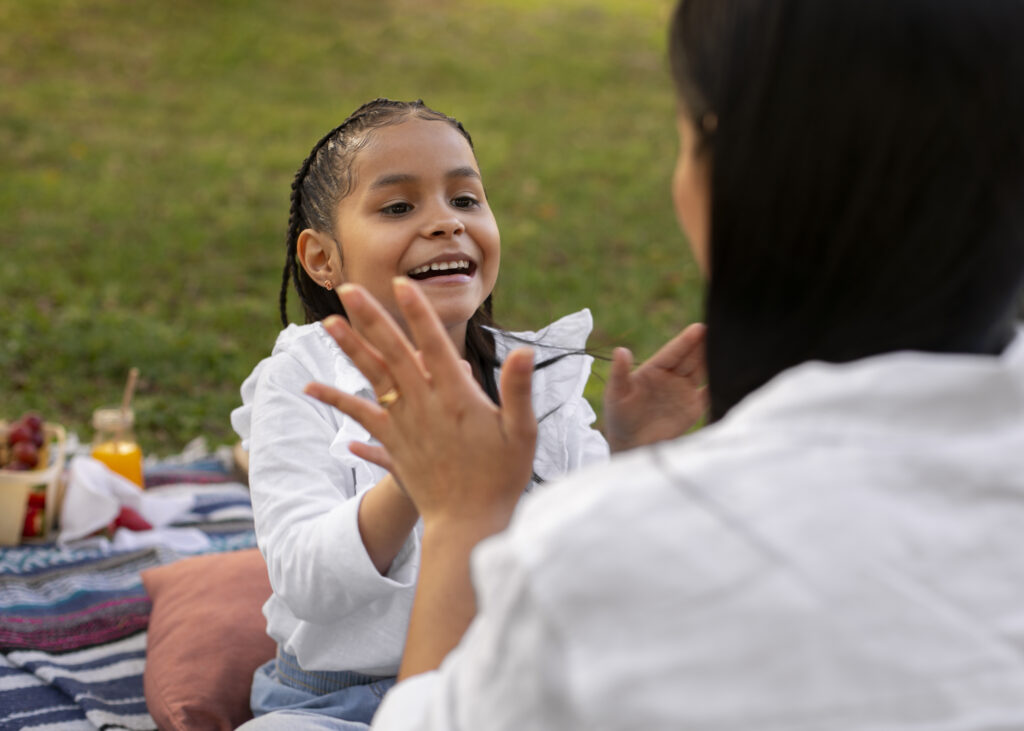
Childhood is often associated with growth, learning, and emotional development within a supportive environment. However, for many underprivileged children, this phase is marked by instability, limited resources, and exposure to challenging life circumstances. Factors such as poverty, family disruption, lack of access to education, and unsafe environments can significantly affect a child’s mental and emotional […]
Grassroots Impact: How Local NGOs Are Changing Lives
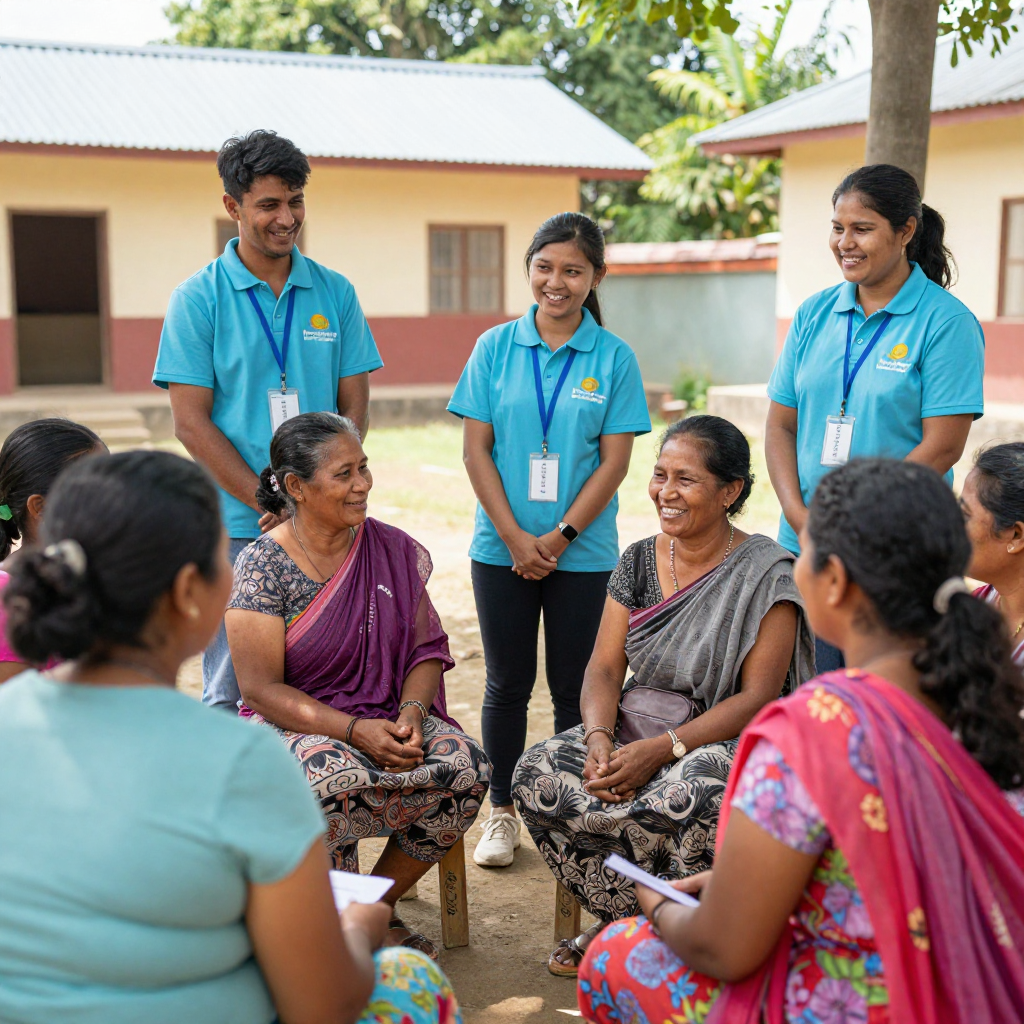
In a world often driven by large-scale policies and global agendas, real and lasting change frequently begins at the grassroots level. Local non-governmental organisations (NGOs) play a vital role in addressing community-specific challenges, offering targeted solutions that are both accessible and sustainable. These organisations work closely with individuals and families, creating meaningful change in areas […]
Rebuilding Social Connections in Older Adults

Growing older brings many changes to life, including retirement, health concerns, relocation, and the loss of loved ones. While aging can offer wisdom and emotional maturity, it can also create challenges in maintaining social relationships. Many older adults gradually experience reduced social interaction due to physical limitations, family responsibilities of younger generations, or changing lifestyles. […]
Is It Okay to Seek Companionship Again?

Life does not stop after heartbreak, separation, divorce, or the loss of a loved one. Yet many people hesitate to open their hearts again because of fear, guilt, or societal judgment. Seeking companionship after emotional pain is often viewed with hesitation, especially in cultures where emotional healing is expected to happen silently. However, human beings […]
Community Mental Health Models: A Future Solution for India
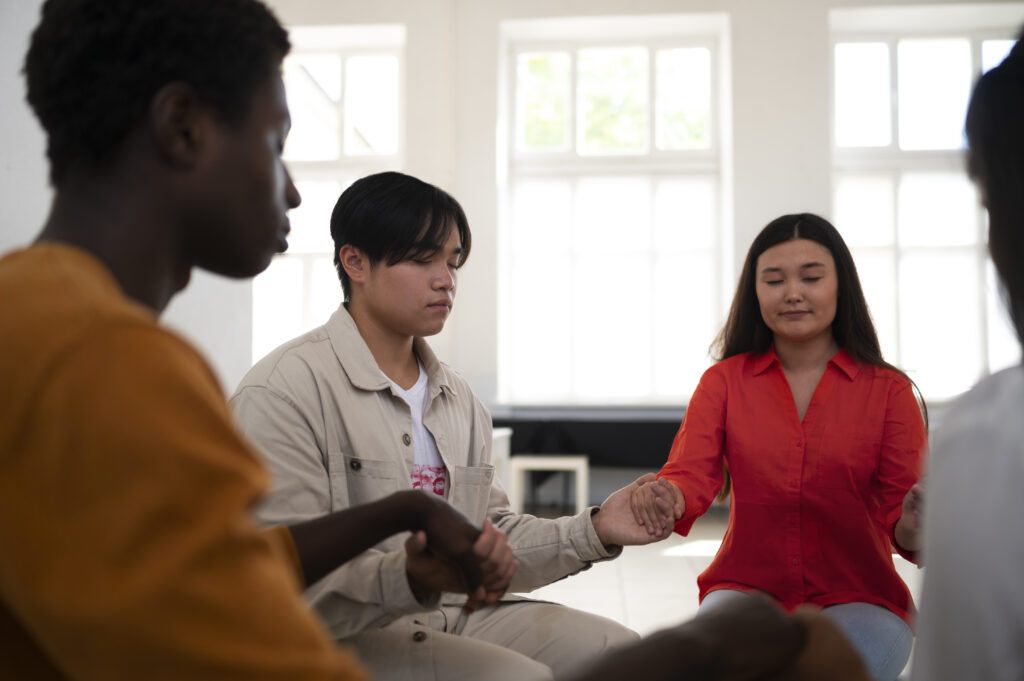
India is undergoing a significant transformation in how mental health is perceived and addressed. With increasing awareness, urbanization, and lifestyle changes, mental health concerns such as anxiety, depression, and stress-related disorders are rising across all age groups. However, access to mental health care remains uneven, particularly in rural and underserved communities. This gap highlights the […]
Beyond Donations: How NGOs Create Long-Term Behavioral Change
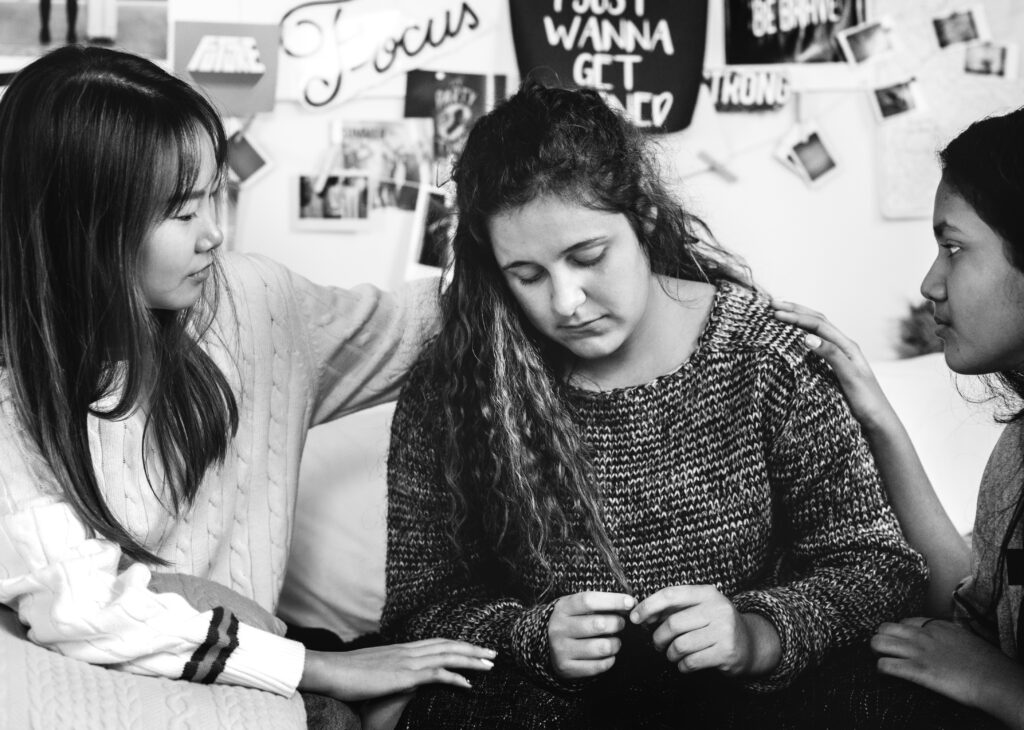
Non-governmental organizations (NGOs) are often associated with charity, providing food, clothing, or financial aid to those in need. While these efforts are important, the true impact of NGOs goes far beyond donations. The most effective organizations focus on creating long-term behavioral change, enabling individuals and communities to become self-reliant, informed, and resilient. Rather than offering […]
High-Functioning Anxiety: When Everything Looks Fine but Isn’t
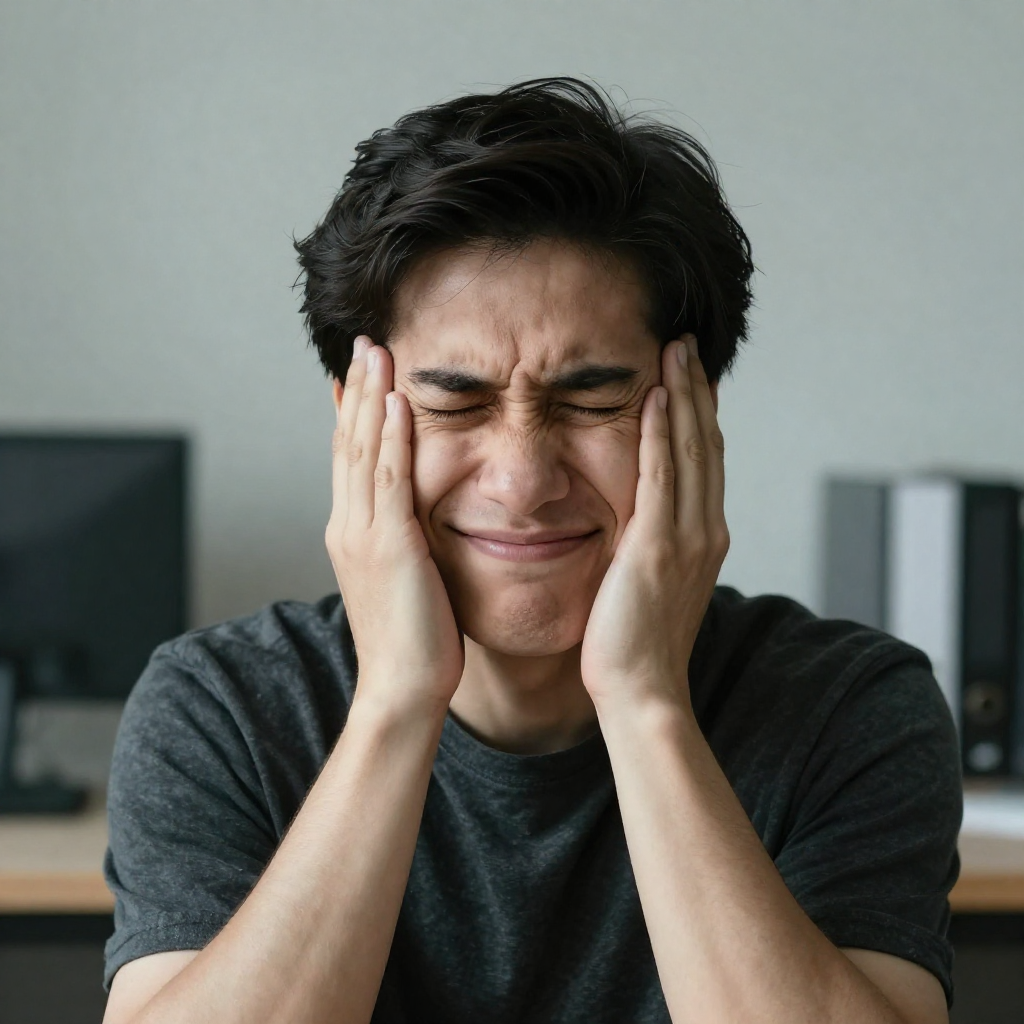
Many people seem to have everything under control in today’s achievement-driven environment, with fulfilling occupations, vibrant social lives, and a strong feeling of duty. Yet beneath this polished exterior, there may be a constant undercurrent of self-worry, self-doubt, and emotional strain. This is often referred to as high-functioning anxiety, a form of anxiety that is […]
Building Emotionally Resilient Communities Through NGOs
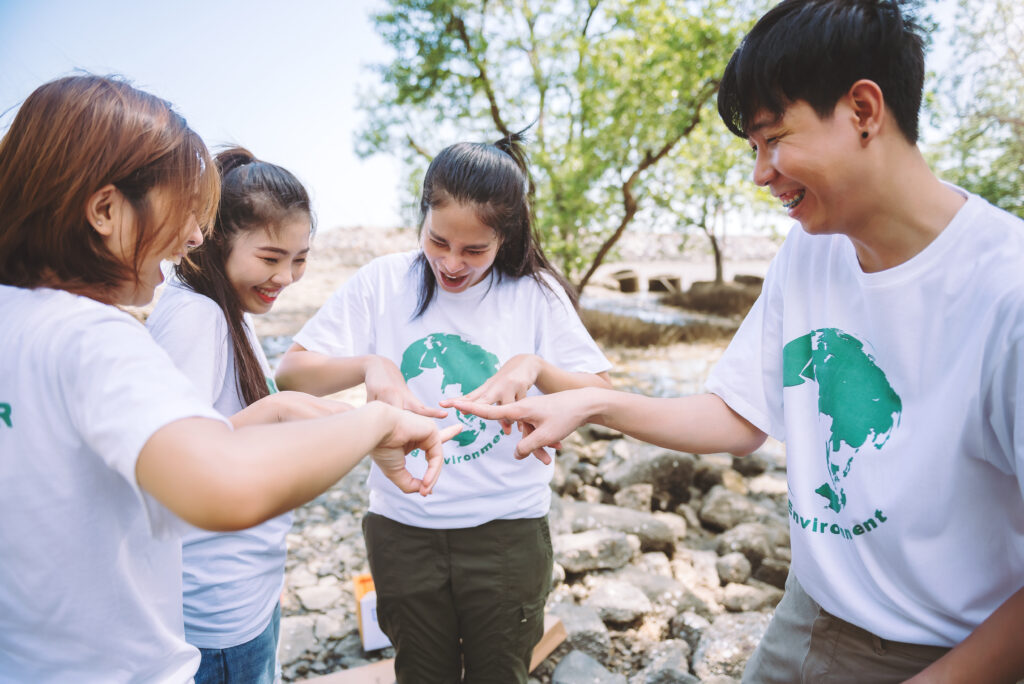
In an increasingly complex and fast-paced world, emotional resilience has become a crucial factor in individual and community well-being. Emotional resilience refers to the ability to adapt to stress, overcome adversity, and maintain mental balance during challenging times. While individuals play a role in developing this strength, communities and support systems are equally important. This […]