
The Role of Play Therapy in Modern Child Counseling

In today’s fast-paced and demanding environment, children face a variety of emotional and psychological challenges. Academic stress, family conflicts, social pressures, and increasing exposure to digital media can affect their mental well-being. However, children often lack the ability to express their emotions verbally, which makes it difficult to understand their inner struggles. This is why […]
The Role of NGOs in Strengthening Mental Health Awareness

Mental health has emerged as a critical aspect of overall well-being, yet it continues to be surrounded by stigma, misinformation, and limited access to care, especially in developing countries like India. In this landscape, Non-Governmental Organizations (NGOs) play a vital role in bridging the gap between mental health needs and accessible services. By working at […]
The Intersection of Poverty and Mental Health

Poverty is often understood in terms of limited financial resources, but its impact extends far beyond economic hardship. It influences living conditions, access to education, healthcare availability, and overall quality of life. One of the most significant yet frequently overlooked dimensions of poverty is its effect on mental health. Individuals experiencing financial instability often face […]
Breaking Barriers: Inclusive Mental Health Services for All Ages

Although access to mental health treatments is still inconsistent among age groups, socioeconomic backgrounds, and communities, mental health is an essential component of total well-being. In recent years, there has been growing recognition of the need for inclusive mental health services that cater to individuals at every stage of life, from children and adolescents to adults […]
Challenges Faced by NGOs in India: Funding, Reach, Policy Gaps

Non-governmental organizations (NGOs) are vital pillars of social development in India, working across sectors such as education, healthcare, environment, and community welfare. From implementing grassroots education programs to supporting vulnerable populations, their role is indispensable. However, even the Best NGO in India faces a complex set of challenges that limit its impact. These challenges go […]
The Rise of Screen Addiction in Children: Causes, Effects, & Solutions

In the digital age, screens have become an integral part of everyday life. From online learning to entertainment and social interaction, children today are growing up in a world dominated by smartphones, tablets, computers, and televisions. While technology offers numerous benefits, excessive screen use has led to a growing concern: screen addiction in children. This […]
Grief in Old Age: Losing Friends, Identity, and Independence

Aging is often portrayed as a period of rest and reflection, but for many older adults, it is also marked by profound grief. Unlike the grief experienced earlier in life, grief in old age is often cumulative, complex, and deeply intertwined with losses that go beyond the death of loved ones. Seniors frequently face the […]
Daily Routine Changes After the Loss of a Partner
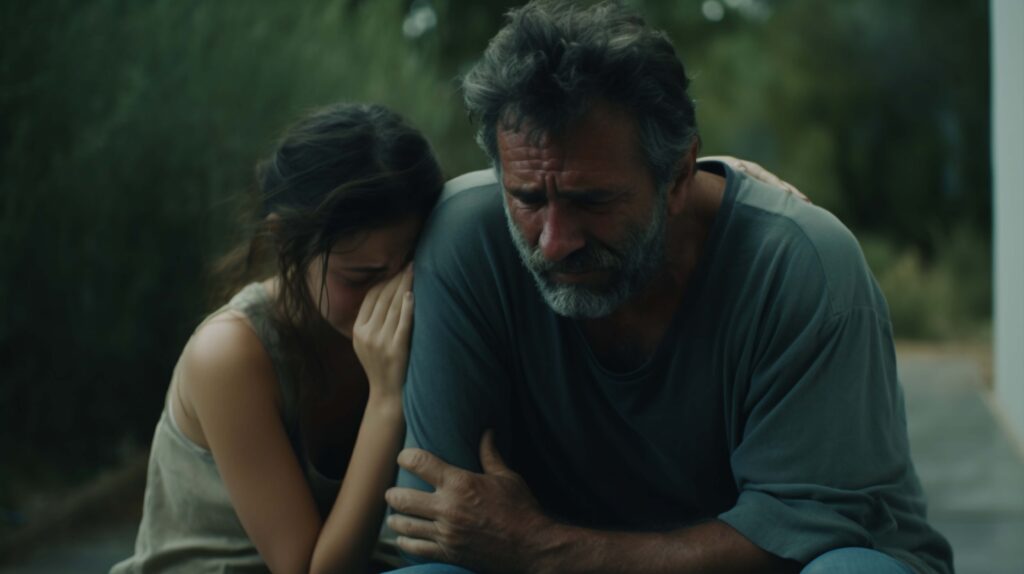
Losing a life partner can bring profound emotional and practical changes to everyday life. A partner often becomes part of one’s daily rhythm—sharing meals, conversations, responsibilities, routines, and plans. When that person is no longer present, even the simplest activities can begin to feel unfamiliar or emotionally heavy. Morning routines may feel quieter, household responsibilities […]
Access to Therapy in India: Urban vs Rural Divide
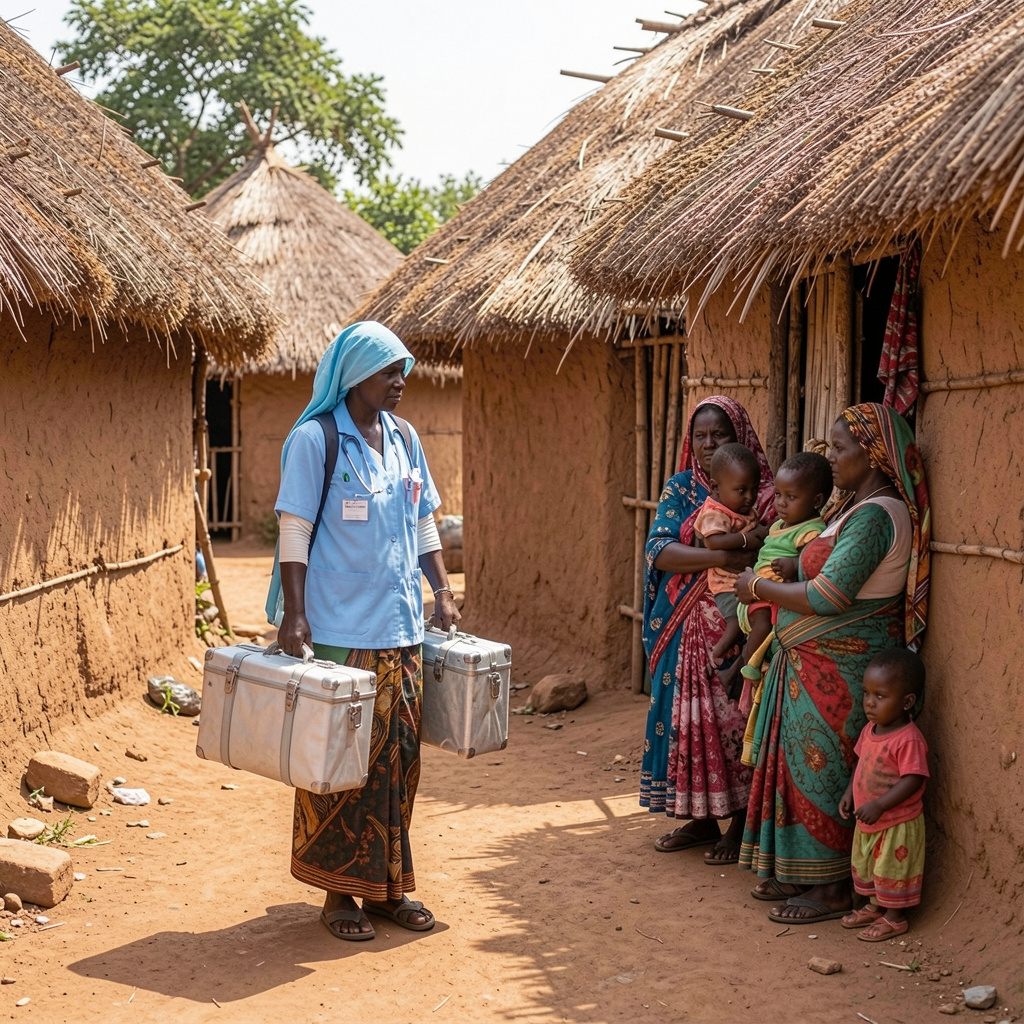
Mental health has increasingly become a priority in India, yet access to therapy remains uneven across the country. While urban centers are witnessing a surge in awareness, professional services, and digital mental health platforms, rural areas continue to struggle with limited resources and deep-rooted barriers. This urban–rural divide significantly impacts the mental well-being of millions […]
Emotional Adaptation to Life Changes After Retirement

“For years, your life followed a schedule. Then one day… it doesn’t.” Retirement is often seen as a time of rest, freedom, and enjoyment, and while it can truly offer these benefits, it also brings a subtle emotional and psychological shift. Moving from a structured professional routine to unstructured days can feel both liberating and […]