
Role of In-Laws & Extended Family in Elder Conflicts

As people age, family relationships often become more complex. Older adults depend on family members for emotional support, companionship, healthcare decisions, and financial assistance. While family can be a source of comfort and security, it can also become a source of tension. One significant aspect of family dynamics involves the role of in-laws and extended […]
The Impact of AI Tools on Children’s Learning & Attention Span
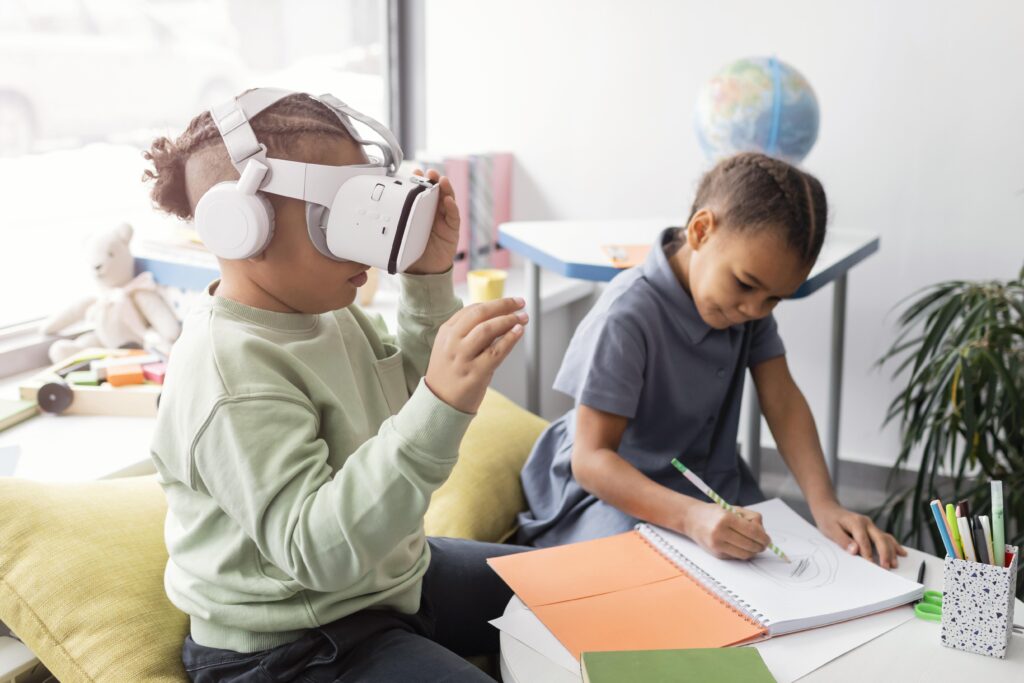
Technology has become an integral part of children’s daily lives, influencing how they learn, communicate, and interact with the world around them. Among recent technological advancements, artificial intelligence (AI) tools have gained significant attention in educational settings. From AI-powered learning platforms to virtual assistants and personalised educational applications, these tools are reshaping the learning experience […]
The Role of Mindfulness in Stress Management

Stress has become an inevitable aspect of contemporary life. Whether it stems from work responsibilities, academic pressure, financial concerns, family obligations, or social expectations, prolonged stress can negatively impact both physical and psychological well-being. In recent years, mindfulness has emerged as one of the most effective and accessible tools for managing stress. Rooted in ancient […]
Late-Onset Schizophrenia: When Psychosis Appears After 60

Mental health conditions in older adulthood are often misunderstood or overlooked. Among these conditions, schizophrenia that develops after the age of 60 presents unique emotional, social, and medical challenges. Late-onset psychosis may include hallucinations, suspicious thoughts, confusion, or withdrawal from social interaction. Because these symptoms can resemble dementia or neurological disorders, diagnosis is often delayed. […]
Dealing with Guilt After the Death of a Partner

Losing a life partner is one of the most emotionally painful experiences a person can go through. A spouse or partner is often not just a companion but also a source of emotional support, identity, comfort, and shared memories. After their death, people experience deep grief, loneliness, confusion, and emotional emptiness. Along with sadness, many […]
Why Do Marital Conflicts Increase in Old Age?

Marriage is often imagined as becoming calmer and more peaceful with age. Many people believe that couples naturally get closer and more understanding after retiring, having children, and spending decades together. But reality can be more nuanced. For many elderly couples, marital conflicts actually increase in old age. Long-standing unresolved issues, health concerns, financial dependency, […]
The Psychology Behind Childhood Defiance
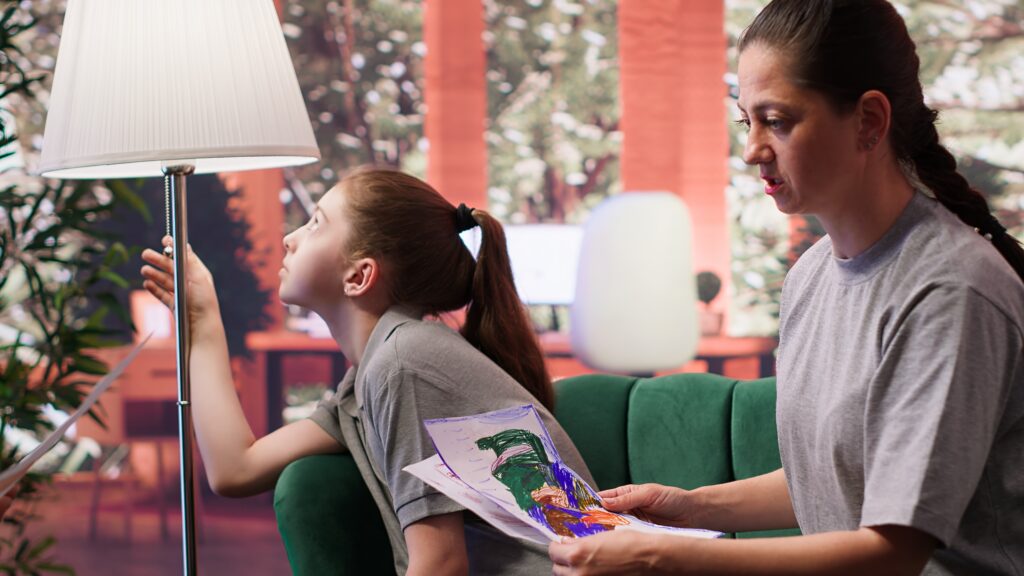
Childhood defiance is a common developmental behaviour that often reflects a child’s attempt to assert independence and test boundaries. While it may appear as stubbornness or disobedience, defiance is usually rooted in a child’s growing sense of self and desire for autonomy. Understanding this behaviour requires looking beyond surface actions and considering emotional, cognitive, social, […]
Guilt and Anxiety from Memory Problems in Ageing
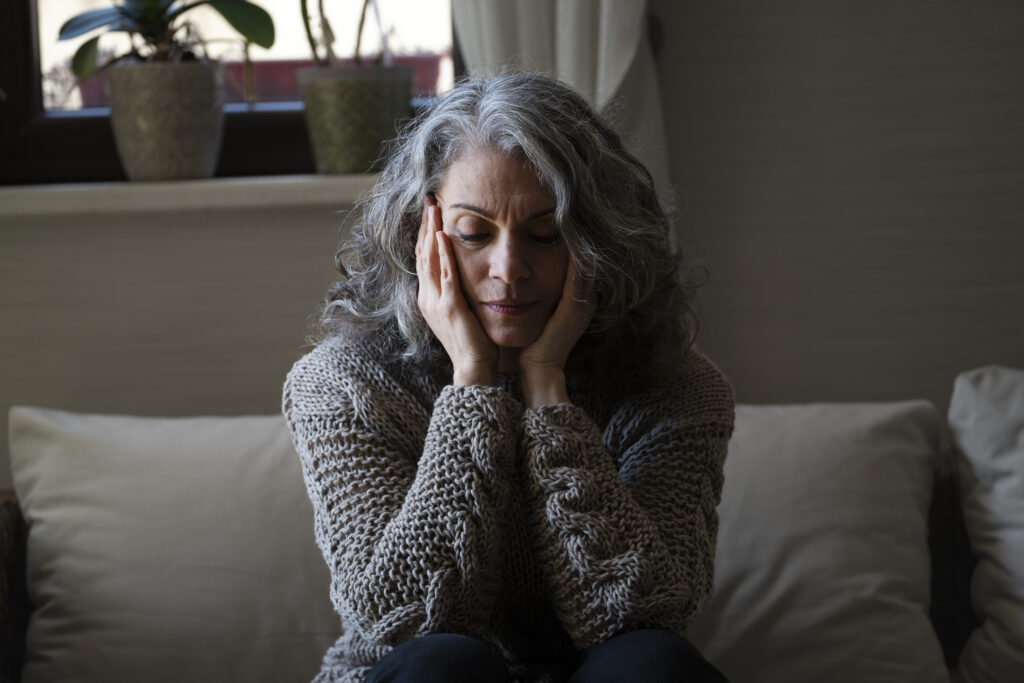
As individuals age, occasional forgetfulness may become more noticeable. While some memory lapses are a normal part of aging, repeated difficulties with remembering names, appointments, or daily tasks can create emotional distress. Older adults may begin to worry about losing independence or becoming dependent on family members. These fears often contribute to persistent anxiety, emotional […]
The Role of Social Engagement in Healthy Ageing

Healthy ageing is not only about maintaining physical strength but also about preserving emotional balance, mental clarity, and meaningful human connection. As individuals grow older, social engagement becomes an essential factor in sustaining psychological well-being and overall quality of life. Meaningful interactions with family, friends, neighbours, and communities provide emotional comfort, mental stimulation, and a […]
Mental Health Challenges in Chronic Illness and Pain

Living with a long-term health condition is not just a physical struggle, it is an emotional and psychological journey that often goes unseen. Individuals dealing with ongoing illness frequently face disruptions in their daily routines, reduced independence, and uncertainty about the future. These experiences can deeply affect mental well-being, making it essential to understand the […]