How NGOs Are Addressing Mental Health in Rural India
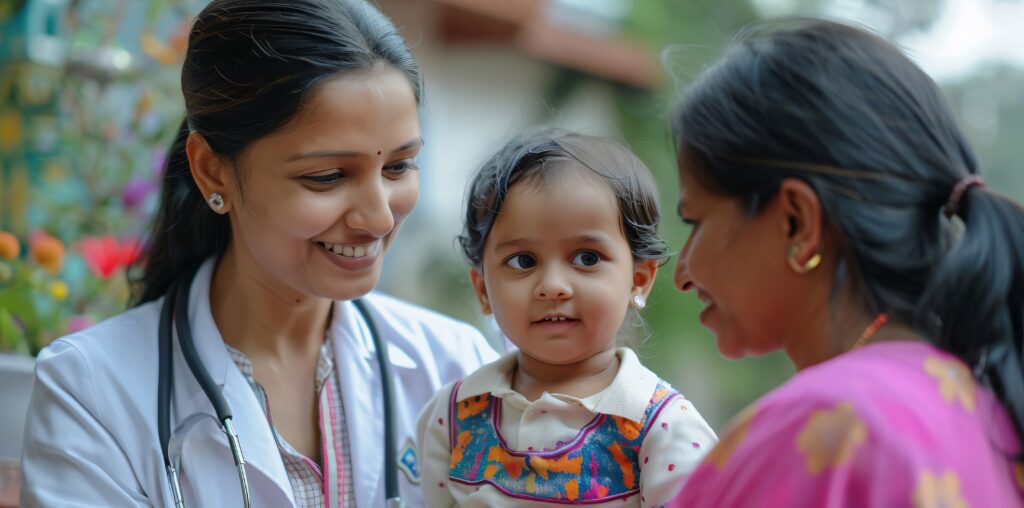
Mental health has become an increasingly important public health concern in India. While awareness and access to psychological services have improved in urban areas, rural communities continue to face significant challenges. Limited healthcare infrastructure, social stigma, shortage of trained professionals, and lack of awareness often prevent individuals from seeking help. Mental health concerns such as […]
Support Groups & Therapy for Elderly Grief
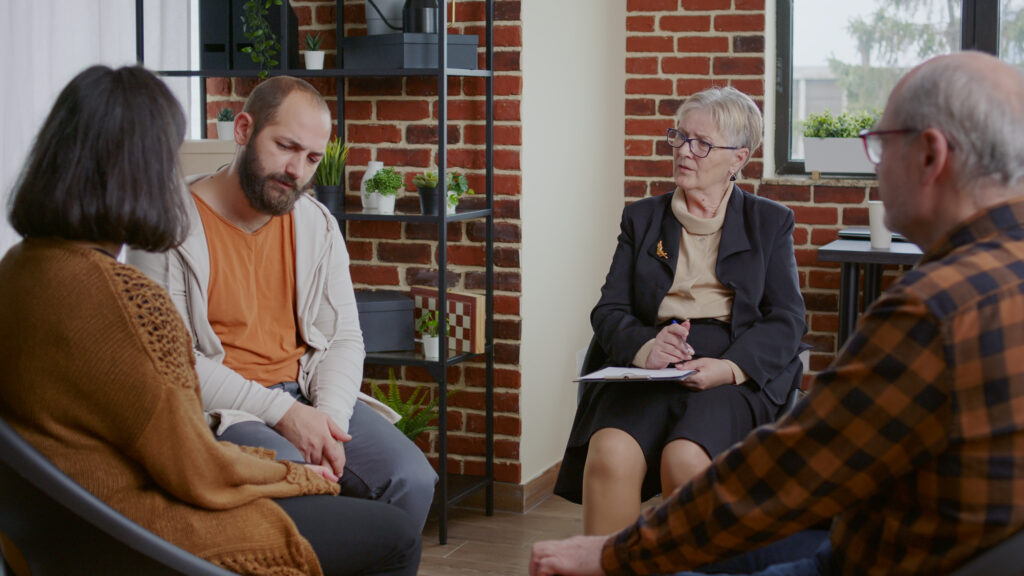
Grief is a natural response to loss, but for older adults, it can become particularly challenging. As people age, they may face multiple losses, including the death of a spouse, close friends, siblings, or even a sense of independence due to health changes. These encounters can cause severe emotional suffering that has an impact on […]
From Risk to Rights: Ensuring Safety for the Elderly
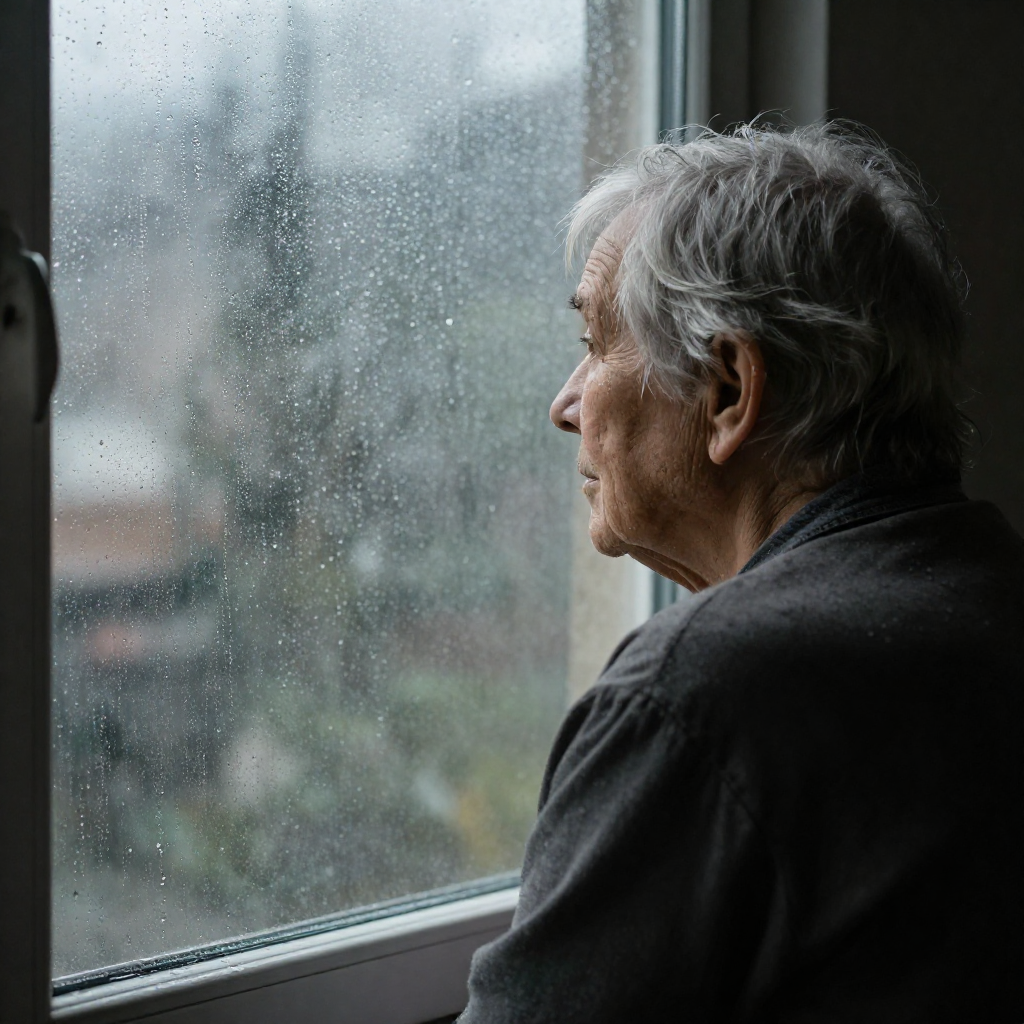
Aging is a natural part of life, yet many older adults face challenges that threaten their safety, dignity, and independence. As populations around the world continue to age, ensuring the well-being of elderly individuals has become a social responsibility rather than simply a family concern. From health-related vulnerabilities to financial exploitation and social isolation, older […]
Learning to Live Alone After Years of Togetherness
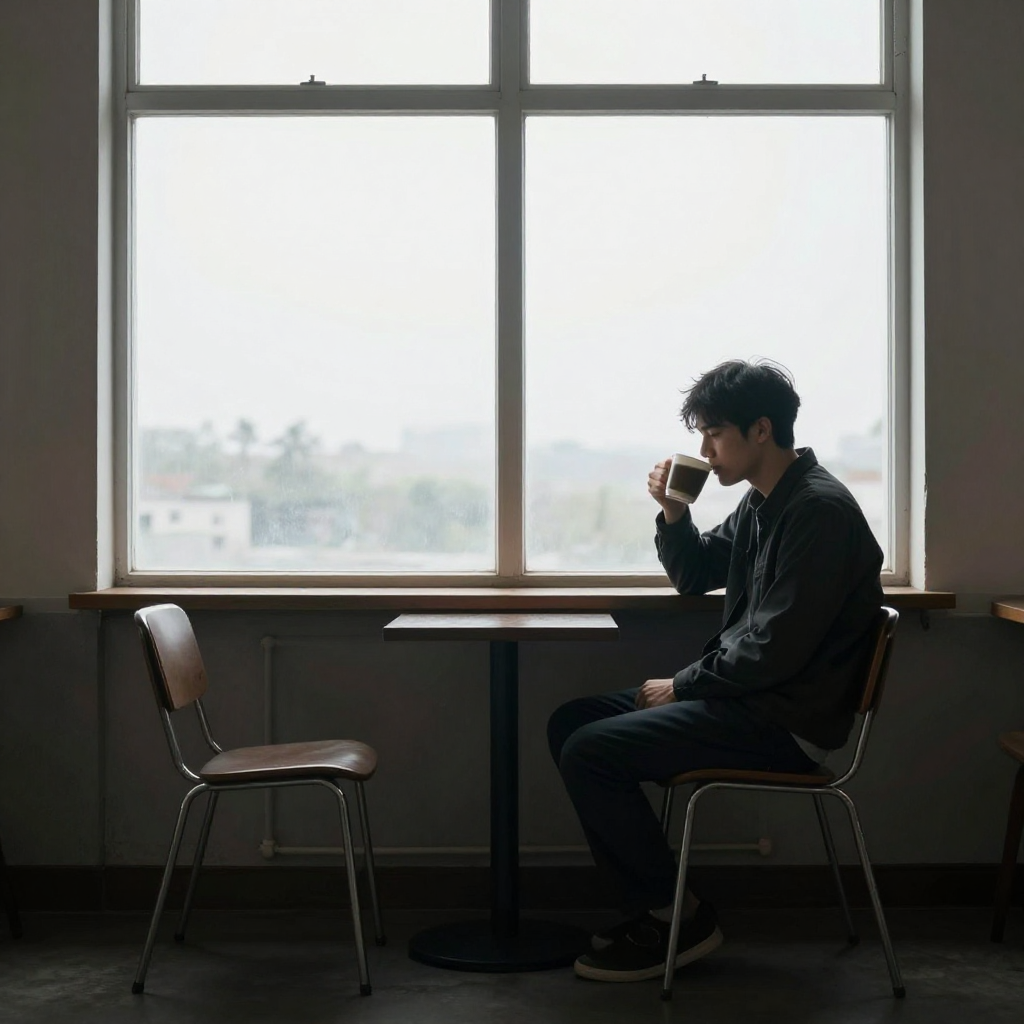
For many people, togetherness becomes a way of life. Whether it is a long-term marriage, a close family arrangement, or years spent caring for loved ones, sharing daily routines creates a sense of familiarity and emotional security. When circumstances change, children move away, a relationship ends, or a partner passes away, living alone can feel […]
Do Indian Families Ignore Mental Health Until It’s Too Late?
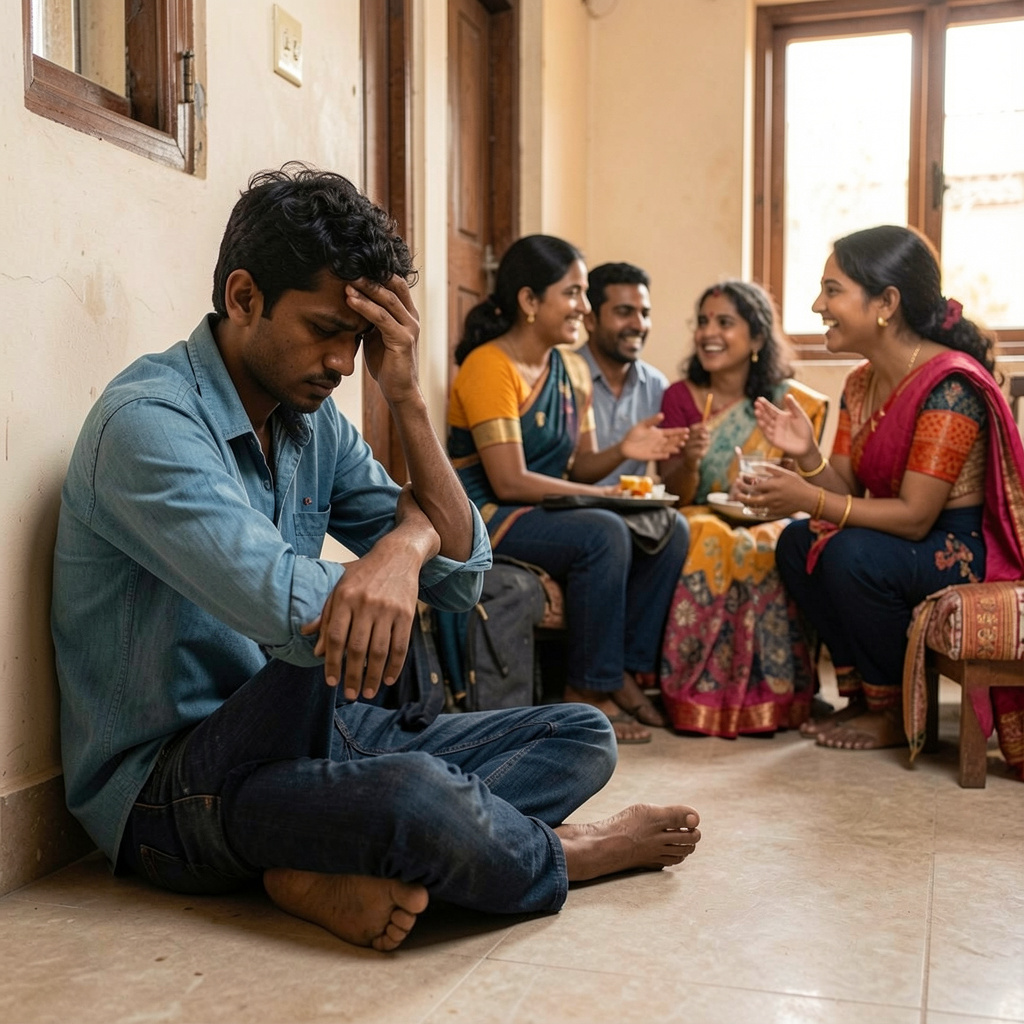
Mental health conversations in India have become more visible over the past decade. From social media awareness campaigns to workplace wellness initiatives and increased access to counseling services, society is gradually recognizing the importance of psychological well-being. Even so, a lot of families still find it difficult to talk honestly about mental health issues. In […]
Emotional Burnout vs Physical Fatigue: How to Tell the Difference

Feeling worn out has become a typical occurrence in today’s fast-paced environment. Long work hours, family responsibilities, social commitments, financial pressures, and constant digital connectivity can leave individuals feeling drained. However, not all exhaustion is the same. Sometimes, what appears to be simple tiredness may actually be emotional burnout. It’s critical to distinguish between physical […]
Public-Private Partnerships in Social Development

Social development is a collective responsibility that extends beyond the efforts of governments alone. Addressing challenges such as poverty, education gaps, healthcare accessibility, mental health awareness, women’s empowerment, skill development, and community welfare requires collaboration among multiple stakeholders. In recent years, public-private partnerships have emerged as a powerful model for creating sustainable social impact by […]
Parenting in 2026: Balancing Discipline & Emotional Support

The role of families has evolved dramatically in recent years. In 2026, raising children is no longer limited to ensuring academic success or enforcing rules at home. Parents today are navigating a world shaped by digital exposure, social media influence, changing educational expectations, emotional awareness, and growing mental health conversations. Children are becoming more expressive, […]
Women Empowerment Through NGO Initiatives
Women play a vital role in shaping families, communities, and societies. However, many women across India still face barriers related to education, employment, healthcare, and decision-making opportunities. Over the years, non-governmental organizations (NGOs) have emerged as powerful agents of social change by creating opportunities for women to achieve independence, dignity, and equality. These initiatives focus […]
Vulnerable Yet Overlooked: Safety Issues in Older Adults
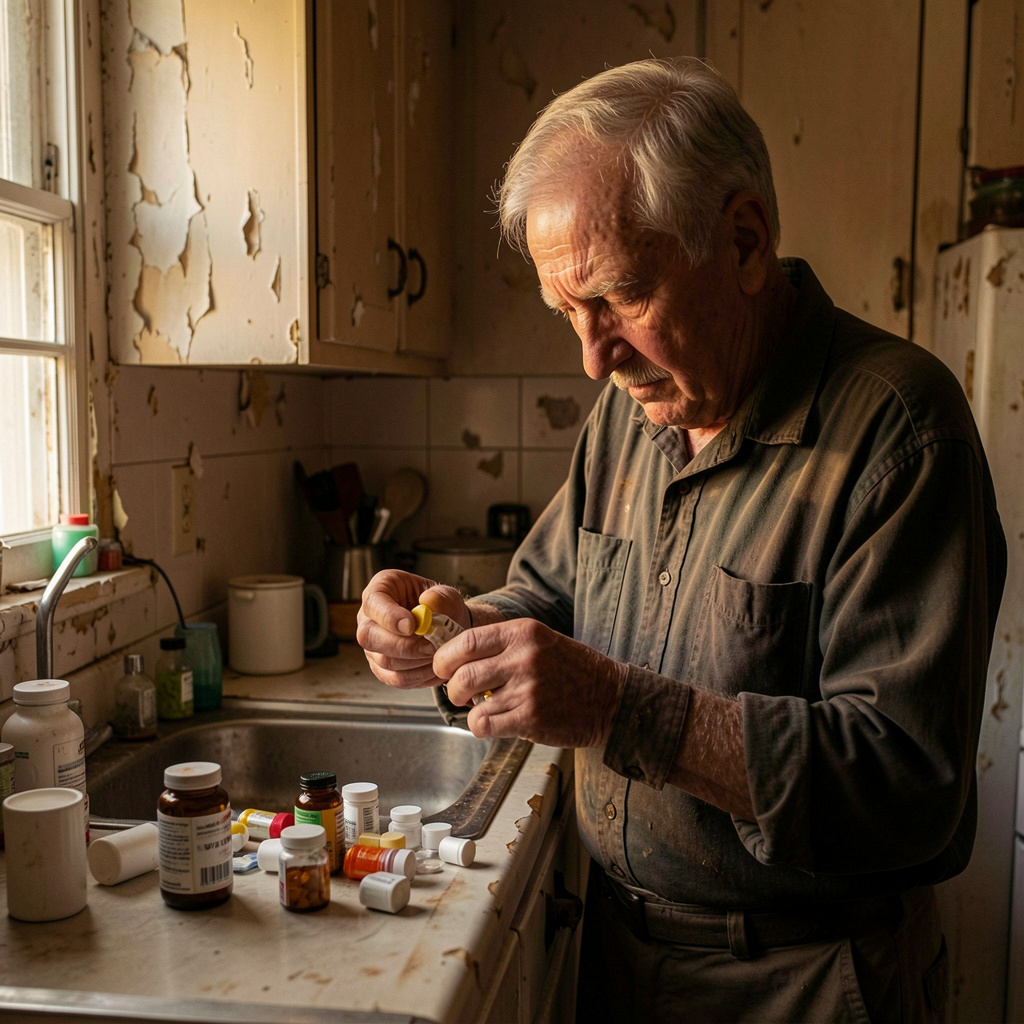
Aging is a natural part of life, but it also brings with it a variety of psychological, social, emotional, and physical challenges. Older adults often require increased care, emotional support, and protection to maintain their well-being and dignity. However, despite their vulnerability, safety concerns faced by elderly individuals are frequently overlooked by families, communities, and […]