
Lessons from a Long Life: Everyday Habits That Support Healthy Aging

Have you ever wondered why some people seem to grow older with ease, staying sharp, active, and content well into their 80s and beyond? The answer usually isn’t luck or genetics alone. It’s a set of small, consistent habits practiced over decades. This blog explores the everyday routines that genuinely support healthy aging, from caring […]
Care Begins with the Community: Building a Culture of Dignified Ageing
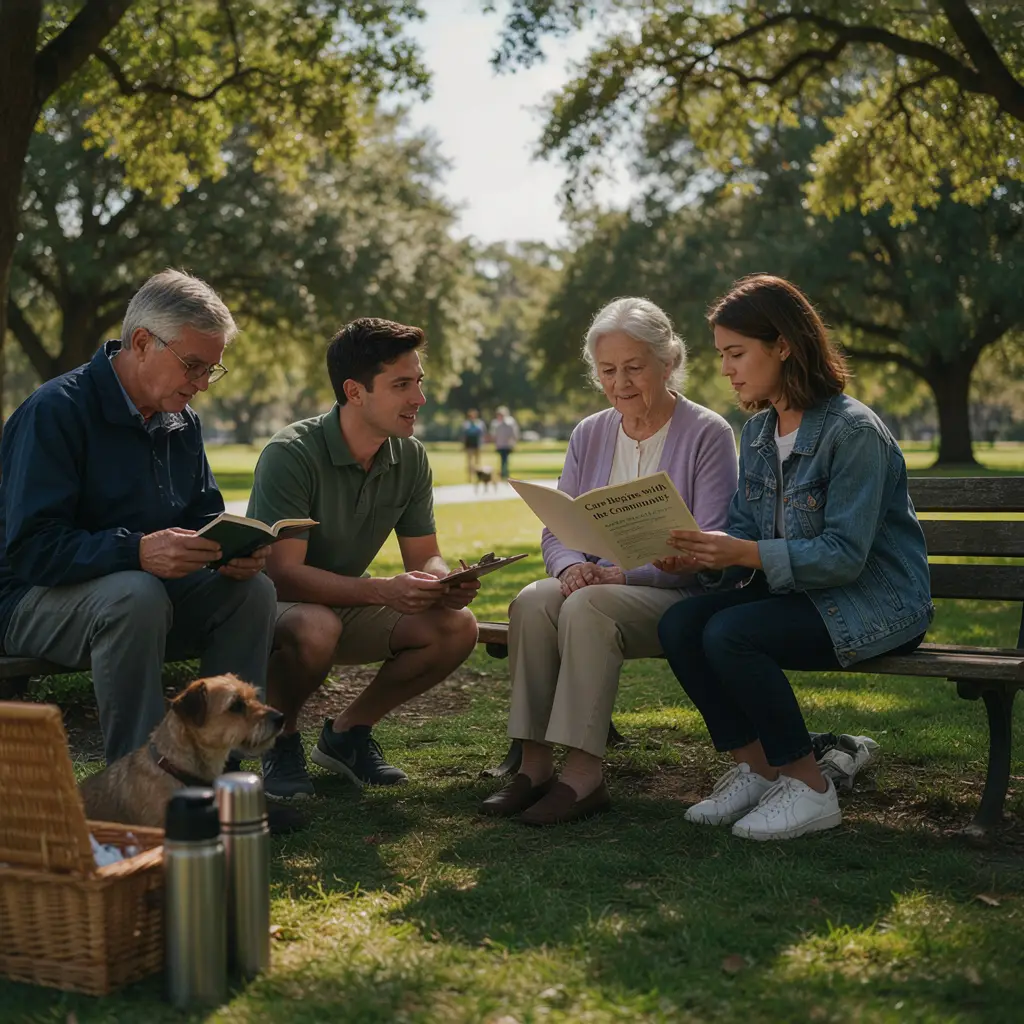
Aging is a social experience influenced by family ties, communities, healthcare systems, financial stability, and chances for meaningful engagement rather than just a biological process. As people live longer, the question is no longer only how to add years to life, but how to ensure that those years are healthy, connected, safe, and dignified. India […]
Is It Normal for Older Adults to Become More Stubborn or Impulsive?

Older adults bring many physical, emotional, and cognitive changes that can influence the way a person thinks, behaves, and responds to everyday situations. Families often notice that an older loved one who was once flexible and easygoing has become more resistant to change, emotionally reactive, or unexpectedly impulsive. These observations frequently lead to questions such […]
The Importance of Advance Care Planning & End-of-Life Conversations

Talking about the future is often easier when it involves celebrations, milestones, or dreams. However, discussions about serious illness, aging, and the end of life are equally important, even though they are frequently avoided. Many families hesitate to have these conversations because they fear causing emotional distress or believe the topic is too uncomfortable. Unfortunately, […]
How NGOs Are Addressing Mental Health in Rural India
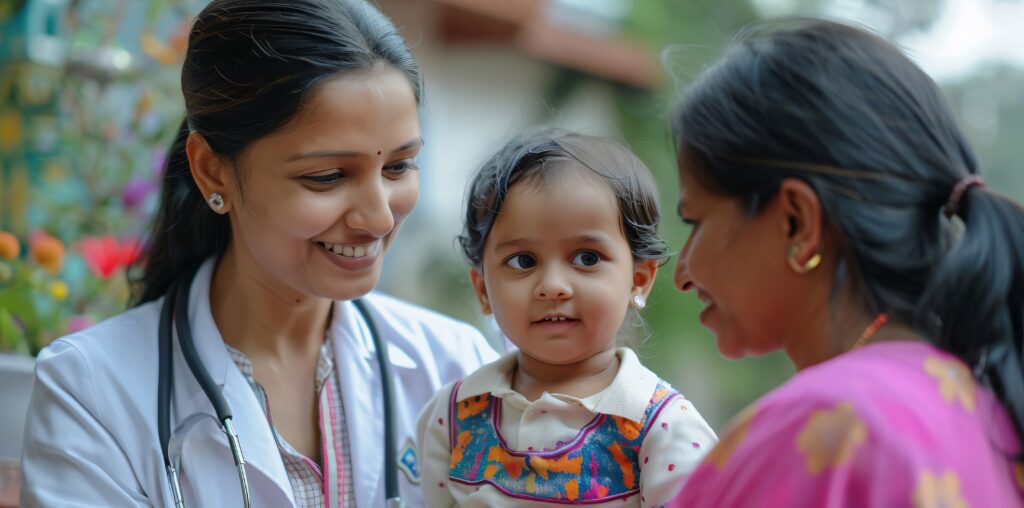
Mental health has become an increasingly important public health concern in India. While awareness and access to psychological services have improved in urban areas, rural communities continue to face significant challenges. Limited healthcare infrastructure, social stigma, shortage of trained professionals, and lack of awareness often prevent individuals from seeking help. Mental health concerns such as […]
Learning to Live Alone After Years of Togetherness

For many people, togetherness becomes a way of life. Whether it is a long-term marriage, a close family arrangement, or years spent caring for loved ones, sharing daily routines creates a sense of familiarity and emotional security. When circumstances change, children move away, a relationship ends, or a partner passes away, living alone can feel […]
Feeling Unappreciated After Years of Commitment

Commitment is often viewed as a cornerstone of meaningful connections, professional growth, and personal fulfillment. Whether it involves dedicating years to a career, supporting family members, nurturing friendships, volunteering for a cause, or investing in a long-term partnership, commitment requires effort, patience, and consistency. However, when these efforts go unnoticed or unrecognized, individuals may begin […]
Parenting in 2026: Balancing Discipline & Emotional Support

The role of families has evolved dramatically in recent years. In 2026, raising children is no longer limited to ensuring academic success or enforcing rules at home. Parents today are navigating a world shaped by digital exposure, social media influence, changing educational expectations, emotional awareness, and growing mental health conversations. Children are becoming more expressive, […]
The Impact of AI Tools on Children’s Learning & Attention Span

Technology has become an integral part of children’s daily lives, influencing how they learn, communicate, and interact with the world around them. Among recent technological advancements, artificial intelligence (AI) tools have gained significant attention in educational settings. From AI-powered learning platforms to virtual assistants and personalised educational applications, these tools are reshaping the learning experience […]
Coping with Regret and “What If” Thoughts

Human life is shaped by choices, turning points, and intersections. While looking back can help us learn, it frequently triggers a painful emotional cycle dominated by intense regret and relentless “what if” thinking. We replay past decisions, obsess over alternate timelines, and mentally rewrite our history in an attempt to change the present. When this […]