Mental health has become an increasingly important public health concern in India. While awareness and access to psychological services have improved in urban areas, rural communities continue to face significant challenges. Limited healthcare infrastructure, social stigma, shortage of trained professionals, and lack of awareness often prevent individuals from seeking help. Mental health concerns such as anxiety and depression frequently go unnoticed or untreated, affecting individuals, families, and communities.
To bridge this gap, many grassroots initiatives and community-based organizations have stepped forward to improve mental healthcare access in rural India. These efforts are transforming lives by promoting awareness, providing support services, and integrating mental well-being into community development programs.
The Mental Health Challenges in Rural India
Rural populations often face multiple stressors, including poverty, unemployment, agricultural uncertainties, financial instability, and limited access to education and healthcare. These factors can contribute to psychological distress and emotional difficulties.
In many villages, mental illness is misunderstood and may be attributed to supernatural causes or personal weakness. As a result, people often delay seeking professional assistance. Additionally, the scarcity of psychiatrists, psychologists, and counselors in rural regions further widens the treatment gap.
Physical health concerns also intersect with psychological well-being. Individuals dealing with long-term illnesses and chronic pain frequently experience emotional distress, highlighting the need for integrated healthcare approaches that address both mental and physical health.
NGOs’ Function in Promoting Mental Health
A Non-profit organisation can play a critical role in delivering mental wellness services where government resources may be limited. Many organizations work directly with rural communities to increase awareness, reduce stigma, and provide affordable or free counselling services.
These organizations often conduct educational workshops, awareness campaigns, and community outreach programs that help people recognize early signs of psychological distress. By engaging local leaders, teachers, healthcare workers, and community members, they create supportive environments where individuals feel more comfortable discussing mental wellness concerns.
Several successful initiatives have demonstrated how an NGO in India can create sustainable mental wellness support systems by collaborating with local healthcare providers and community stakeholders.
Community-Based Mental Health Interventions
One of the most effective approaches adopted by rural mental wellness programs is community participation. Instead of relying solely on specialists, organizations train local volunteers, teachers, and health workers to identify individuals who may need support.
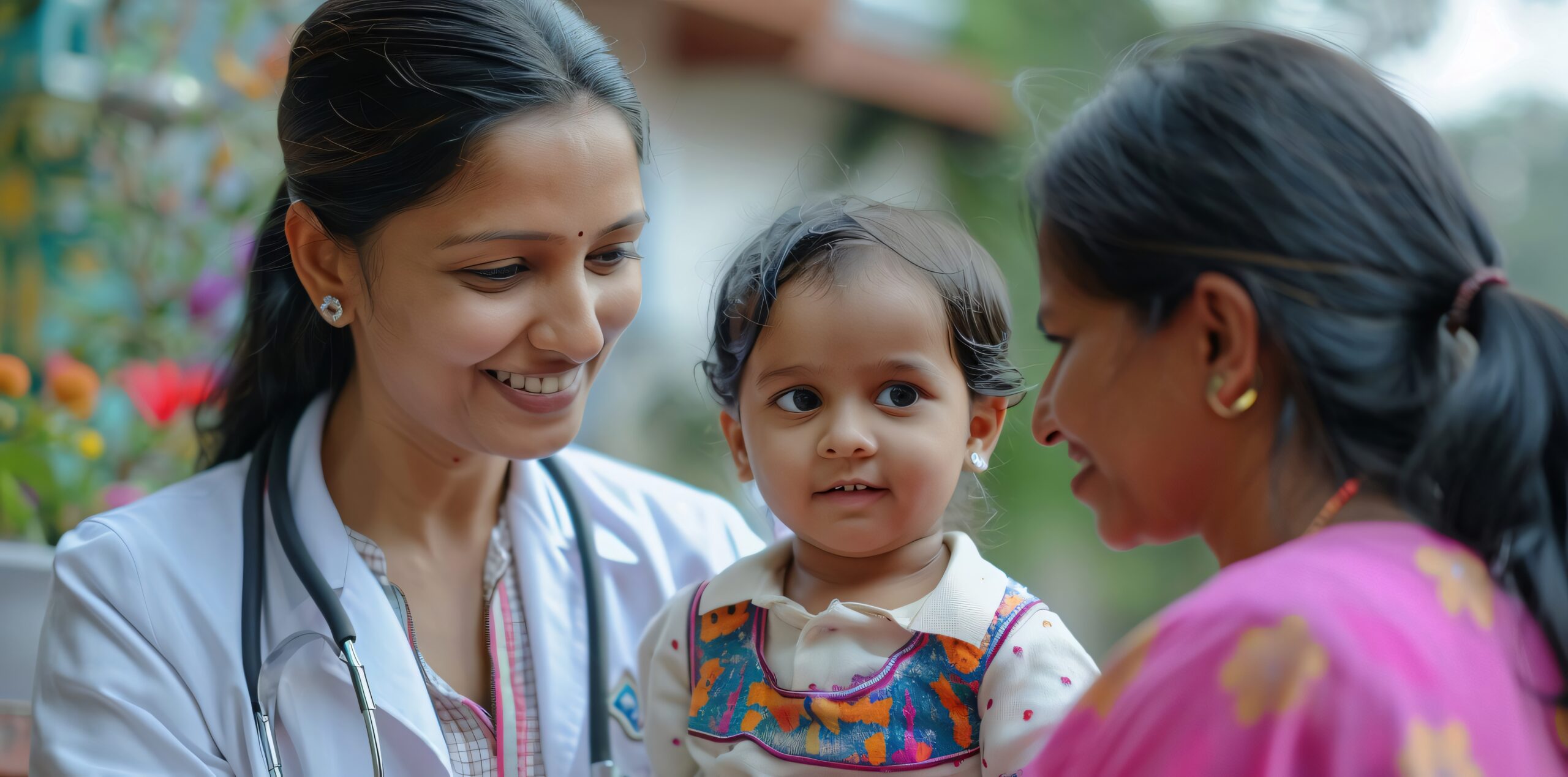
These community workers often act as the first point of contact, helping people access counseling services and referrals when necessary. Such interventions improve accessibility while also building trust within communities.
Many programs incorporate practical techniques that promote emotional well-being. Approaches such as mindfulness therapy help individuals develop greater awareness of their thoughts and emotions, while structured interventions based on dialectical behaviour therapy can assist people in improving emotional regulation and coping skills.
Raising Awareness and Reducing Stigma
Stigma remains one of the greatest barriers to mental healthcare in rural India. Many individuals fear judgment, discrimination, or social exclusion if they openly discuss their mental health concerns.
To address this issue, organizations conduct awareness campaigns through village meetings, school programs, street plays, radio broadcasts, and community discussions. These initiatives help normalize conversations about emotional well-being and encourage people to seek assistance when needed.
Mental health literacy programs educate communities about common psychological conditions, available treatment options, and the importance of early intervention. As awareness grows, more individuals become willing to access support services and participate in mental wellness programs.
Empowering Individuals Through Life Skills and Education
Mental health interventions in rural areas increasingly focus on empowerment rather than treatment alone. Many organizations recognize that emotional well-being is closely linked to social and economic stability.
Programs that promote goal setting encourage individuals to create achievable plans for education, employment, and personal growth. These initiatives help participants build confidence and develop a sense of purpose.
Similarly, workshops focused on self improvement often teach communication skills, stress management, emotional resilience, and problem-solving strategies. Such efforts contribute to long-term psychological well-being while strengthening community resilience.
Integrating Mental Health with Livelihood Programs
Economic hardship is a major contributor to psychological distress in rural communities. Recognizing this connection, many organizations integrate mental health support with livelihood initiatives.
A skill development program can provide individuals with vocational training, employment opportunities, and financial independence. These programs not only improve economic conditions but also enhance self-esteem and emotional well-being.
By addressing both psychosocial and economic challenges simultaneously, organizations create more comprehensive and sustainable solutions for mental health promotion.
Partnerships and Policy Advocacy
Many rural mental health initiatives succeed through collaboration with government agencies, healthcare providers, educational institutions, and community leaders. Partnerships help expand service delivery and improve access to care.
Several non governmental organizations in India actively advocate for stronger mental health policies, increased funding, and greater inclusion of psychological services within primary healthcare systems. Their efforts contribute to long-term structural changes that can benefit underserved populations.
In addition, organizations often work alongside a mental health foundation to develop training programs, conduct research, and support evidence-based interventions tailored to local needs.
The Future of Rural Mental Healthcare
The future of mental healthcare in rural India lies in community-driven, culturally sensitive, and technology-enabled solutions. Tele-counseling services, digital mental health platforms, and mobile outreach programs are helping extend support to remote areas where professional services are scarce.
Millions of people’s quality of life can be improved and the treatment gap can be considerably closed with sustained investment in community involvement, education, and awareness. As more organizations embrace holistic and inclusive approaches, rural communities will have greater opportunities to access the mental health support they need.
Conclusion
NGOs have become essential partners in addressing mental health challenges across rural India. Through awareness campaigns, community-based interventions, counseling services, livelihood support, and advocacy efforts, they are helping reduce stigma and expand access to care. Their work demonstrates that mental health support can be effectively delivered even in resource-limited settings when communities are actively involved.
Organizations such as TalktoAngel, an online counseling platform, and Psychowellness Center contribute to improving mental health accessibility by offering professional counseling and psychological support. Alongside initiatives supported by the Global Development Foundation and similar organizations, these efforts continue to strengthen mental healthcare systems and promote emotional well-being across diverse communities in India.
Contribution: Dr. R.K. Suri, Clinical Psychologist & Life Coach, and Ms. Mahima Mathur, Counselling Psychologist
References
https://www.psychowellnesscenter.com
Patel, V., Saxena, S., Lund, C., Thornicroft, G., Baingana, F., Bolton, P., Chisholm, D., Collins, P. Y., Cooper, J. L., Eaton, J., Herrman, H., Herzallah, M. M., Huang, Y., Jordans, M. J. D., Kleinman, A.,
Medina-Mora, M. E., Morgan, E., Niaz, U., Omigbodun, O., … UnÜtzer, J. (2018). The Lancet Commission on global mental health and sustainable development. The Lancet, 392(10157), 1553–1598. https://doi.org/10.1016/S0140-6736(18)31612-X
World Health Organization. (2022). World mental health report: Transforming mental health for all. World Health Organization. https://www.who.int/publications/i/item/9789240049338