
Elderly Services: Be a Lifeline for the Elderly
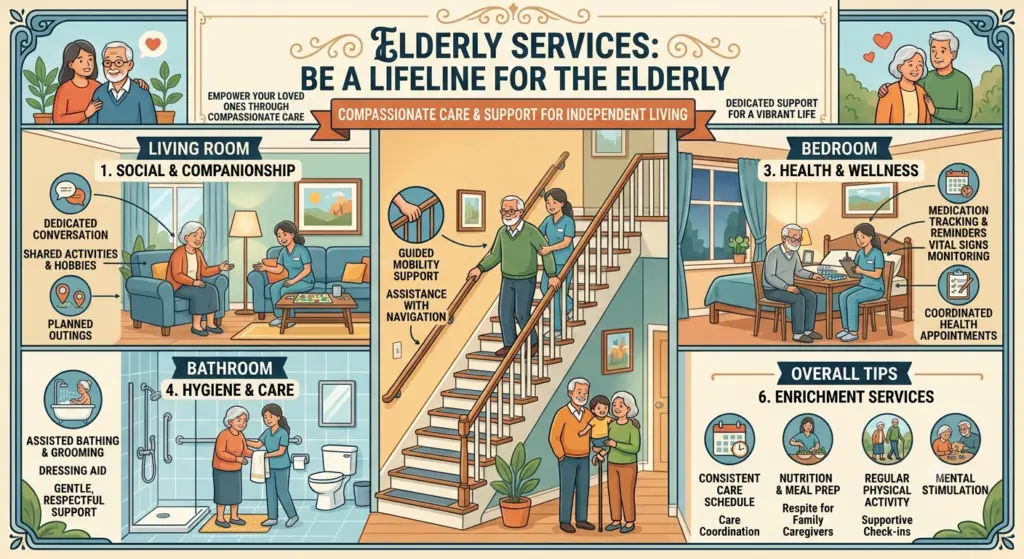
Ageing brings wisdom and meaningful memories but can also involve challenges such as retirement, health changes, reduced mobility, bereavement, financial concerns, and changing family structures. As families become more dispersed, some older adults may need additional support to remain healthy, socially connected, and independent. Elderly services can address practical, emotional, social, and healthcare needs while […]
Understanding, Preventing, and Responding to Elder Abuse
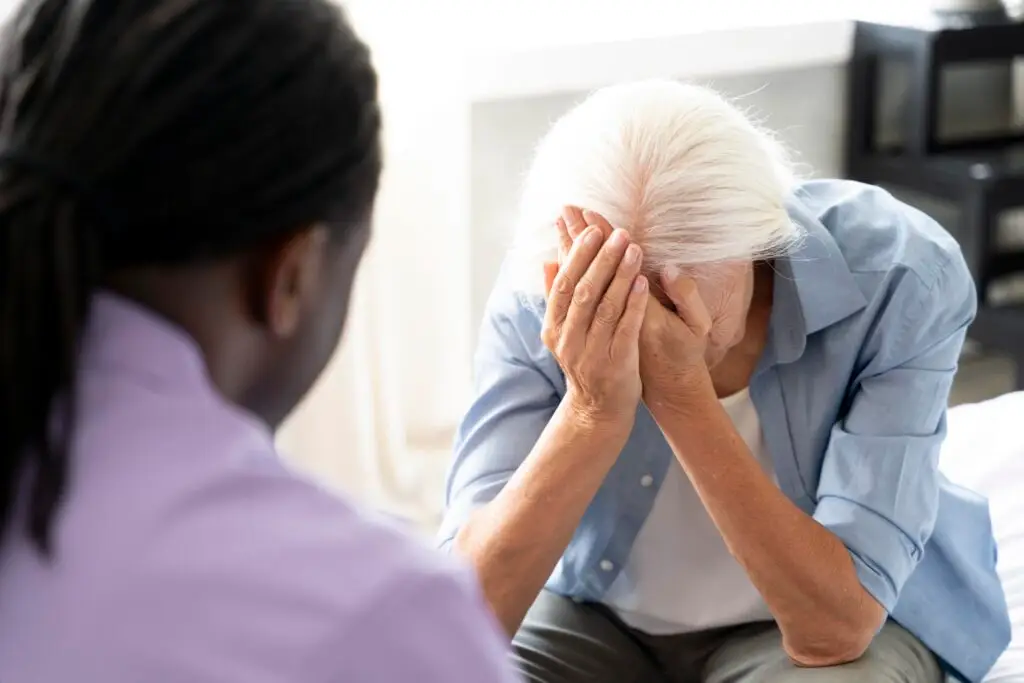
Aging should be a stage of life marked by dignity, security, companionship, and respect. Yet, many older adults experience situations that threaten these basic rights. Elder abuse can remain hidden because it may occur within families, caregiving relationships, residential facilities, or other settings where an older person expects care and trust. It is not always […]
Top 7 Benefits of Retirement Communities
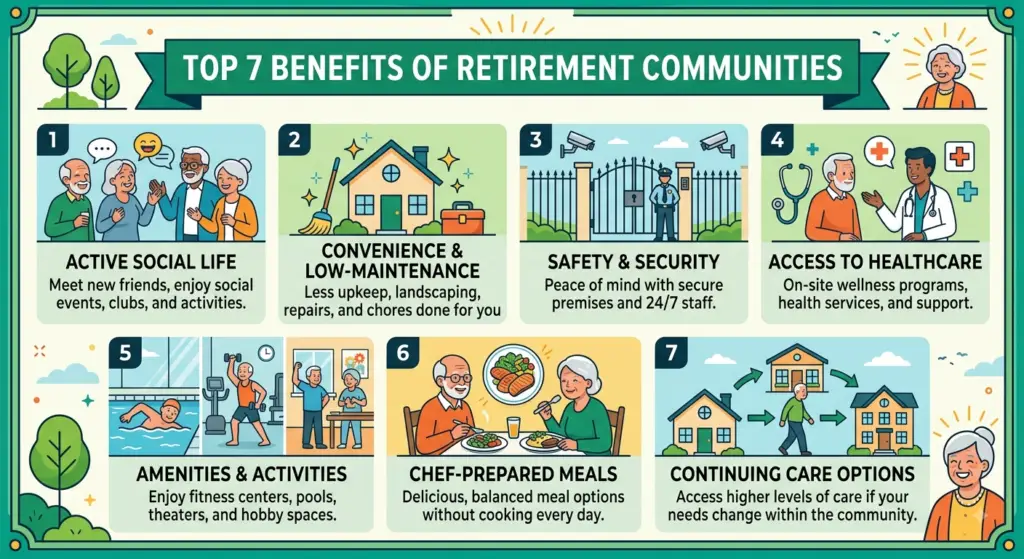
Retirement can mark a meaningful new stage of life, offering older adults more time for personal interests, relationships, health, and community participation. However, adjusting to changes in routine, social roles, and living arrangements can be challenging. Retirement communities can support this transition by promoting independence while providing social activities, practical assistance, and opportunities for connection, […]
Care Begins with the Community: Building a Culture of Dignified Ageing
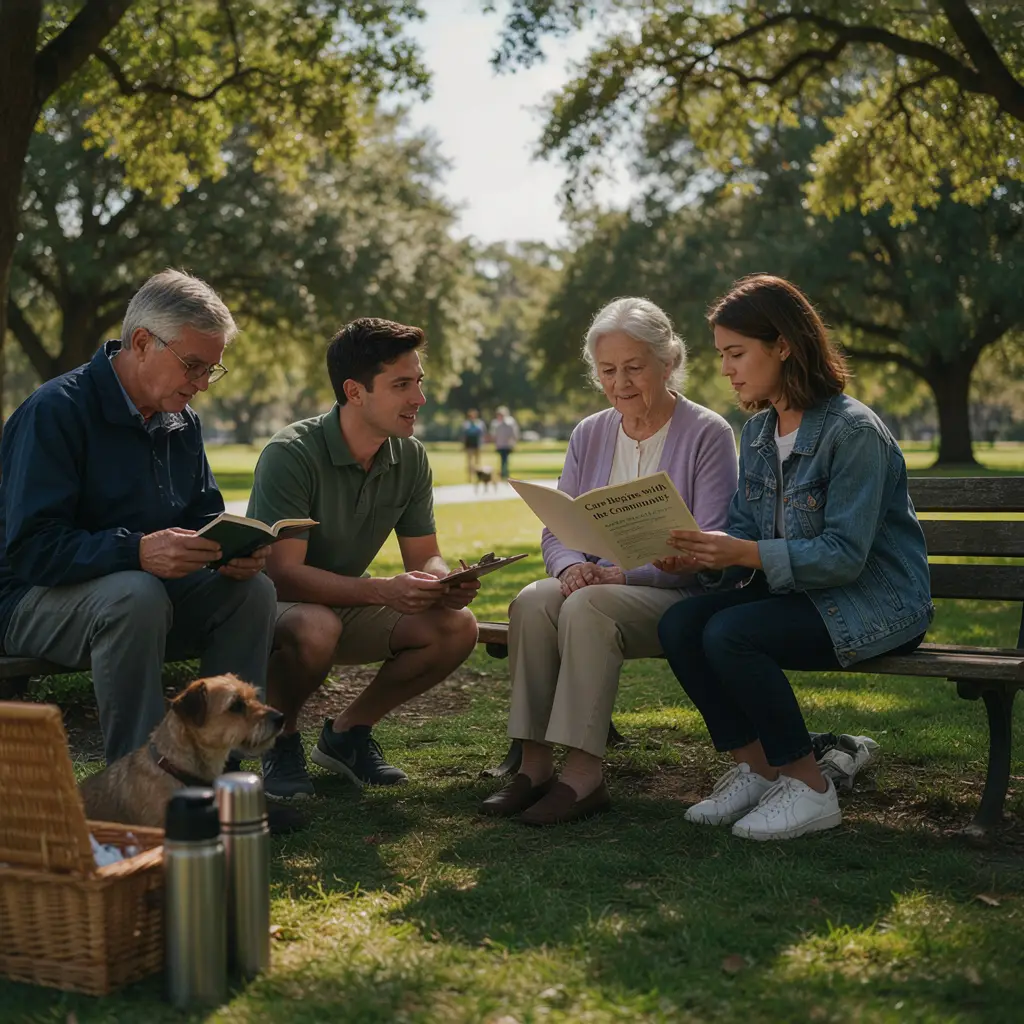
Aging is a social experience influenced by family ties, communities, healthcare systems, financial stability, and chances for meaningful engagement rather than just a biological process. As people live longer, the question is no longer only how to add years to life, but how to ensure that those years are healthy, connected, safe, and dignified. India […]
The Care That Walks With You
Care is often associated with illness or dependence, but meaningful care can also be a continuous source of support throughout life. As people age, changes in health, mobility, social roles, and emotional needs may arise. Dependable care can help them navigate these transitions while preserving dignity, independence, and choice. It is not just about assistance […]
Redefining Winning: Active Ageing Beyond Seventy
Ageing is more than a number. Life after seventy can continue to involve learning, relationships, activity, creativity, and personal growth. Active ageing focuses on health, independence, connection, and purpose, shifting attention from limitations toward well-being, meaningful engagement, and quality of life. Moving Beyond Traditional Ideas of Success After retirement, traditional measures of success such as […]
The Power of Reminiscence Therapy: Supporting Mental Well-being in Ageing
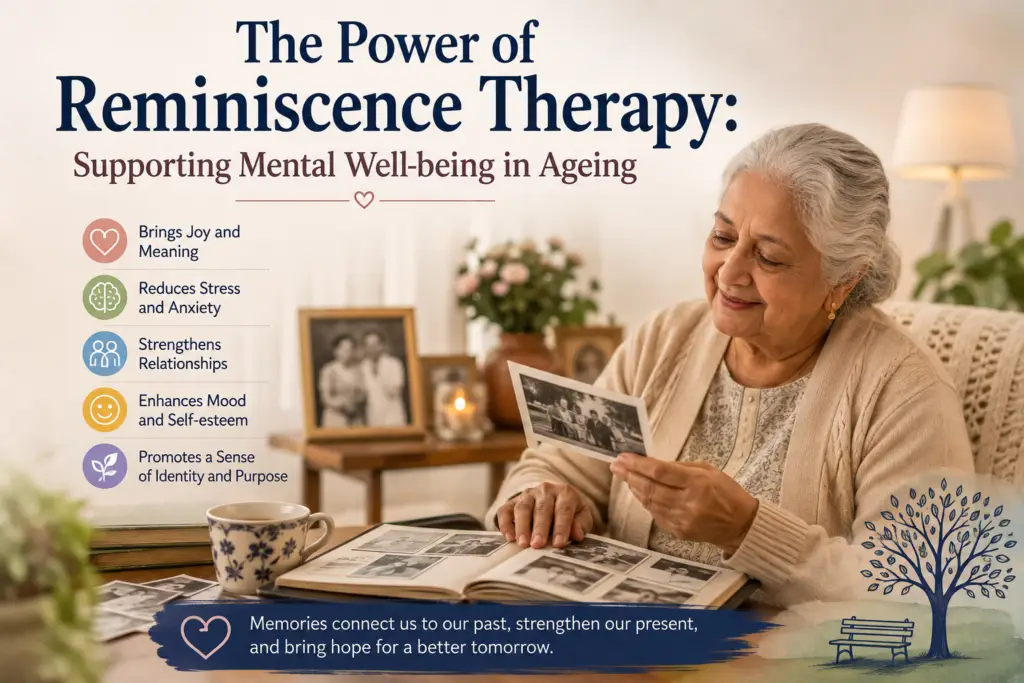
Growing older brings valuable life experiences, but it can also involve challenges such as retirement, health issues, and the loss of loved ones, which may affect emotional well-being. Reminiscence therapy is an evidence-based approach that encourages older adults to reflect on meaningful memories, helping strengthen their sense of identity, enhance emotional well-being, and promote a […]
How Hobbies & Lifelong Learning Improve Mental Health in Old Age
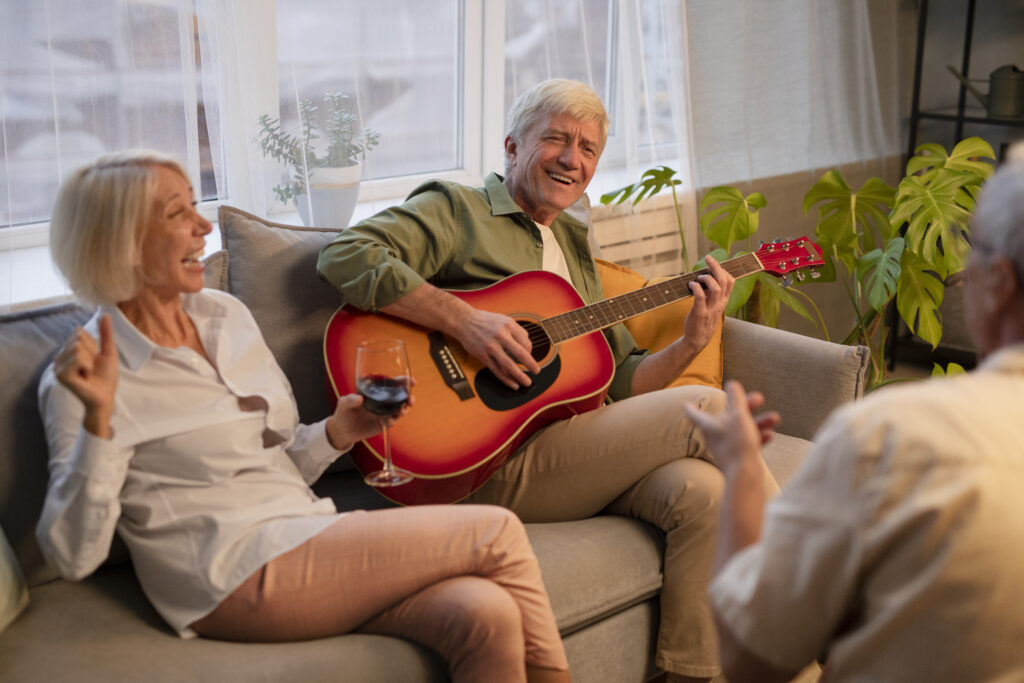
Growing older is often associated with retirement, physical changes, and shifting family responsibilities. However, aging also presents an opportunity to discover new passions, strengthen existing interests, and continue learning. Engaging in hobbies and lifelong learning is far more than a way to pass time; it is a powerful strategy for preserving mental health, enhancing emotional […]
Retirement & Identity: Finding Purpose After Leaving the Workforce

Many people view retirement as just compensation for decades of arduous labor. While many people look forward to having more free time, the transition from a structured career to retired life can also bring unexpected emotional and psychological challenges. For many individuals, work is more than just a source of income; it provides routine, social […]
Body Image & Self-Esteem in Older Adults: Embracing Aging with Confidence

Growing older is often accompanied by physical, emotional, and social changes. While aging is a natural part of life, many older adults struggle with changes in their appearance, health, and physical abilities. Society frequently celebrates youthfulness, making it easy for seniors to feel that they are becoming less attractive or less valuable. However, true self-confidence […]