
Emotional Dependency vs Healthy Attachment

Relationships play a significant role in emotional well-being, offering companionship, support, and a sense of belonging. However, not every close relationship reflects emotional health. Sometimes, what appears to be deep love or commitment may actually be emotional dependency, where one person relies excessively on another for validation, happiness, or self-worth. In contrast, healthy attachment allows […]
How Families Can Support Social Engagement in Older Adults

Growing older is a natural part of life, but ageing often brings significant emotional and social changes. Retirement, declining physical health, the loss of loved ones, and reduced mobility can increase feelings of loneliness and isolation among older adults. While healthcare professionals play an important role in supporting seniors, families remain the strongest source of […]
Digital Divide: How It Affects Both Children and Seniors

Technology has become an essential part of modern life. From education and healthcare to banking, communication, and employment, digital tools have transformed the way people learn, work, and connect with others. However, not everyone has equal access to these opportunities. The gap between individuals who can effectively access and use digital technology and those who […]
Learning to Live Alone After Years of Togetherness

For many people, togetherness becomes a way of life. Whether it is a long-term marriage, a close family arrangement, or years spent caring for loved ones, sharing daily routines creates a sense of familiarity and emotional security. When circumstances change, children move away, a relationship ends, or a partner passes away, living alone can feel […]
Feeling Unappreciated After Years of Commitment

Commitment is often viewed as a cornerstone of meaningful connections, professional growth, and personal fulfillment. Whether it involves dedicating years to a career, supporting family members, nurturing friendships, volunteering for a cause, or investing in a long-term partnership, commitment requires effort, patience, and consistency. However, when these efforts go unnoticed or unrecognized, individuals may begin […]
Inclusive Education Practices for Students on the Spectrum

Inclusive education focuses on creating learning environments where every child, regardless of their abilities, backgrounds, or differences, feels valued, respected, and supported. For students on the autism spectrum, inclusive classrooms go beyond mere physical placement in a general education setting; they emphasise meaningful participation, engagement, and a sense of belonging. This approach involves adapting teaching […]
Rebuilding Social Connections in Older Adults

Growing older brings many changes to life, including retirement, health concerns, relocation, and the loss of loved ones. While aging can offer wisdom and emotional maturity, it can also create challenges in maintaining social relationships. Many older adults gradually experience reduced social interaction due to physical limitations, family responsibilities of younger generations, or changing lifestyles. […]
Grief in Old Age: Losing Friends, Identity, and Independence

Aging is often portrayed as a period of rest and reflection, but for many older adults, it is also marked by profound grief. Unlike the grief experienced earlier in life, grief in old age is often cumulative, complex, and deeply intertwined with losses that go beyond the death of loved ones. Seniors frequently face the […]
Helping Children Build Healthy Self-Control
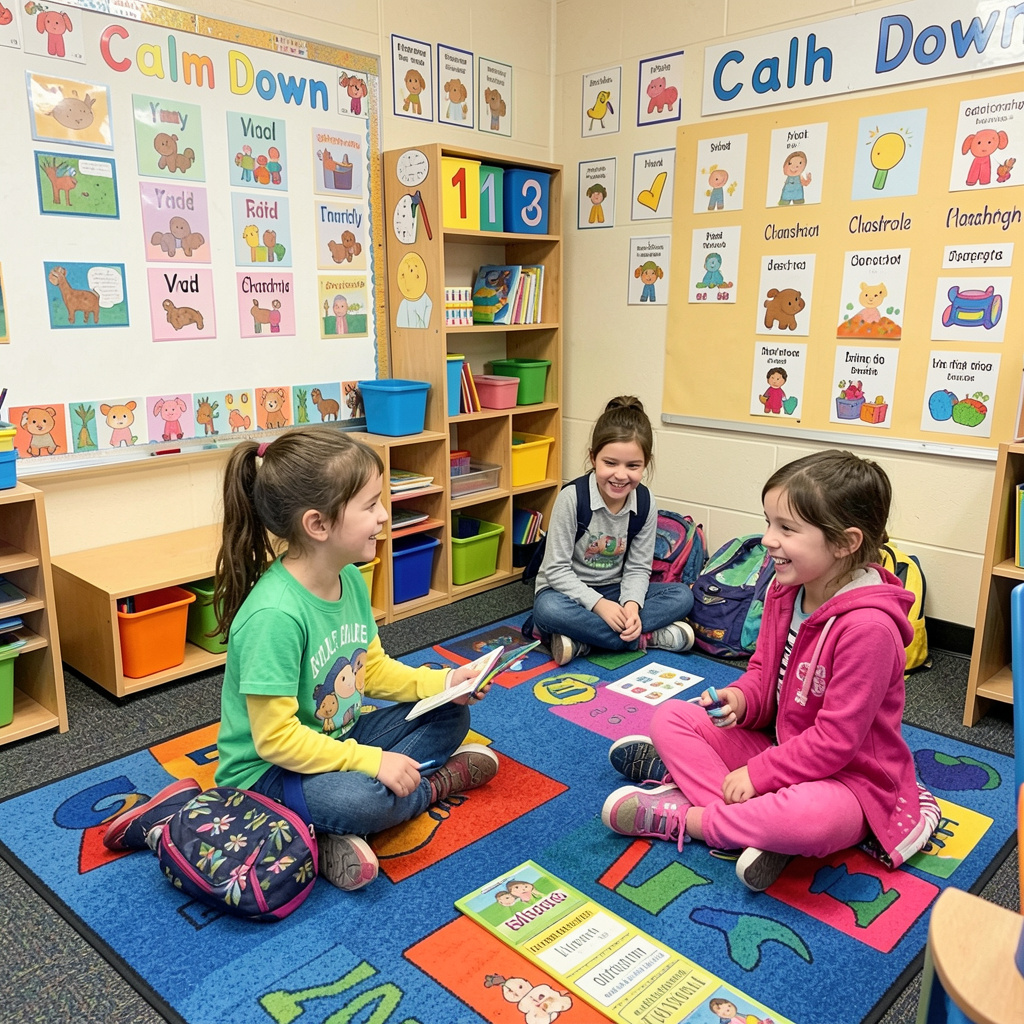
Helping children develop self-control is one of the most valuable gifts caregivers can offer. It shapes how they respond to challenges, manage impulses, and interact with others throughout life. Self-control is not something children are simply born with—it is learned gradually through consistent guidance, supportive environments, and meaningful experiences. When adults model patience, provide structure, […]
Why Predictability Helps Autistic Children Feel Safe

For autistic children, the world can often feel overwhelming, unpredictable, and difficult to navigate. Sensory sensitivities, challenges in processing social cues, and difficulty with sudden changes or transitions can create anxiety and confusion in daily life. In such situations, predictability plays a very important role by offering structure, stability, and a sense of safety. When […]