
Medical Care for Elderly Patients in Poor Health

The aging population is growing rapidly across the world, and with it comes an increased need for specialized medical care. Elderly individuals, particularly those in poor health, often face complex medical conditions, limited mobility, and emotional challenges. Ensuring proper medical care for this vulnerable group is not only a healthcare priority but also a social […]
Creating Safer Lives: Supporting and Advocating for the Elderly

Ageing is often associated with wisdom and life experience, yet for many elders, it also brings increased vulnerability. Safety in later life is not limited to physical protection; it extends to emotional security, financial stability, and social inclusion. Creating safer lives for the elderly requires a comprehensive approach that recognises their rights, respects their autonomy, […]
Moving in With Family vs. Living Independently

The decision to move in with family or live independently is one of the most significant choices individuals make at different stages of life. Whether you are a student, a working professional, or someone navigating life transitions, your living arrangement can greatly influence your emotional well-being, financial stability, and personal development. As awareness around psychological […]
Trauma and Sudden Loss in Later Life

Life in later years is often associated with stability, reflection, and emotional maturity. However, sudden and unexpected loss can deeply disrupt this phase, leading to intense emotional trauma. Losing a loved one abruptly, whether due to illness, accidents, or unforeseen circumstances, can leave older adults feeling shocked, vulnerable, and overwhelmed. Unlike anticipated loss, sudden loss […]
Financial Dependency in Old Age: A Hidden Mental Health Crisis

Financial dependency in older adulthood is often discussed in economic terms, but its psychological impact is less visible and frequently underestimated. As individuals transition out of the workforce or face reduced income, reliance on others for financial support can increase. While this may be a practical necessity for many, it can also carry emotional consequences […]
Mental Health Literacy: Why Everyone Should Understand Emotional Well-Being
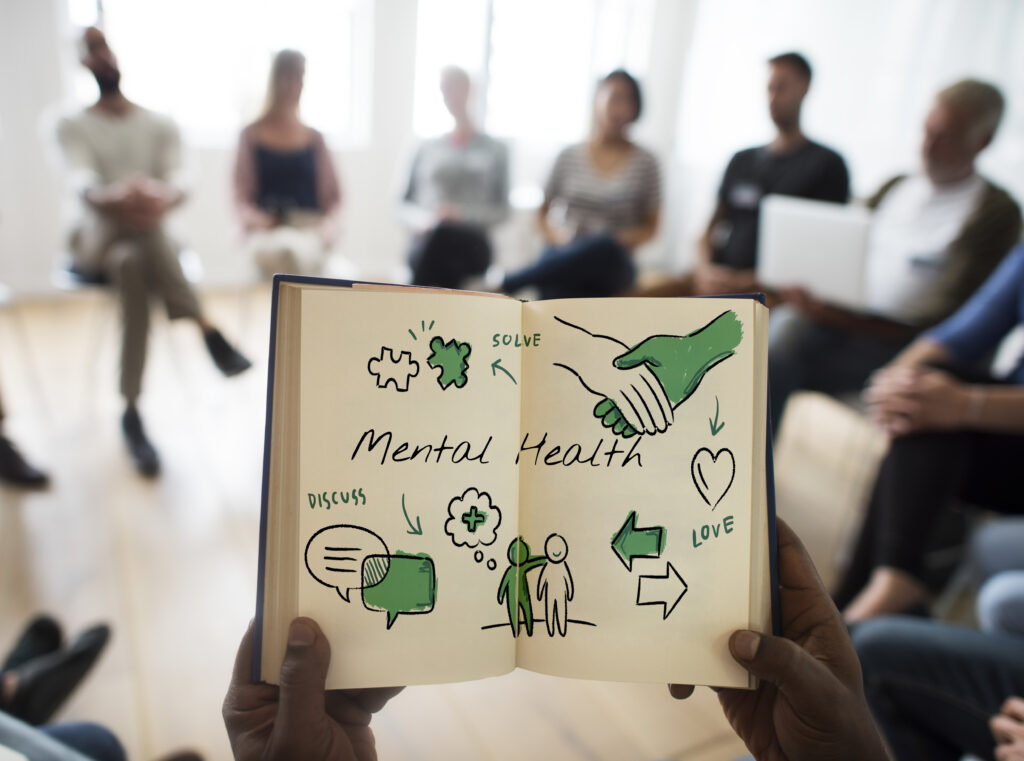
In today’s fast-paced and demanding world, mental health has become just as crucial as physical health. Yet, despite increasing awareness, many individuals still struggle to recognize, understand, and address their emotional well-being. This gap highlights the importance of mental health literacy, an essential concept that empowers people with the knowledge and skills needed to maintain […]
Why Loneliness Feels Stronger in Old Age

Loneliness in older adulthood is often misunderstood as simply being alone. In reality, it is a deeper emotional experience shaped by loss, change, and shifting social roles. Many older adults may be surrounded by people and still feel a sense of disconnection that is difficult to explain. As life slows down and familiar routines change, […]
Memory Decline and Self-Esteem in Older Adults

Aging is a natural process that brings about several physical, emotional, and cognitive changes. Among these, memory decline is one of the most common concerns experienced by older adults. While occasional forgetfulness is a normal part of aging, persistent memory issues can significantly impact an individual’s confidence, independence, and overall sense of self-worth. Understanding the […]
Beyond Mental Health: Understanding the Whole Brain
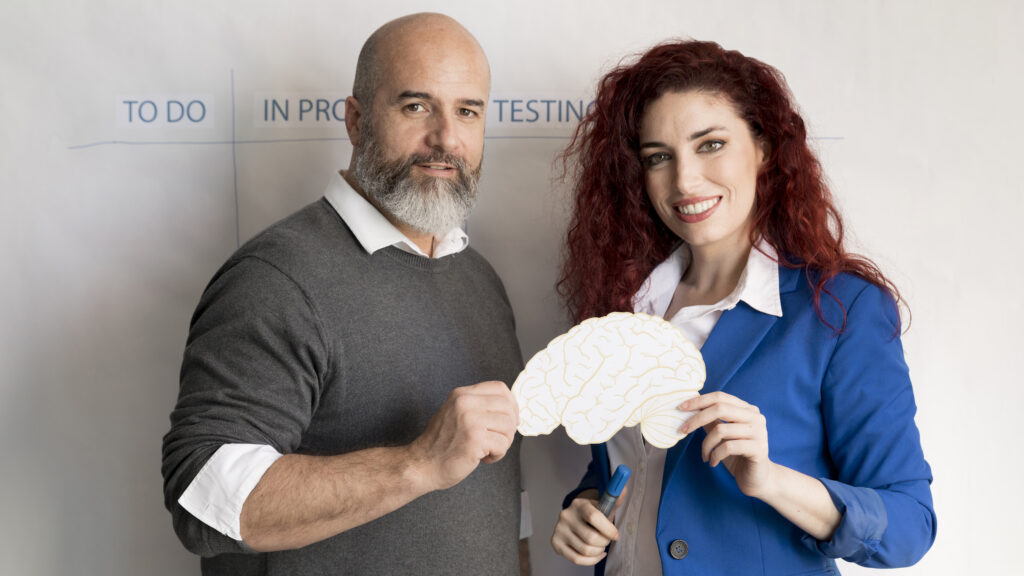
The human experience is far too complex to be defined by a single word or a diagnostic category. For decades, we have relied on various clinical terms to describe the struggles people face, but these categories often fail to capture the dynamic nature of the human brain and mental health. Instead of viewing the mind […]
Unseen Cognitive Health Challenges in Children & Adults

The human brain is a remarkably adaptable organ, often capable of masking significant internal challenges behind a facade of daily competence. Many individuals navigate their personal and professional lives while battling subtle shifts in their mental processing that remain invisible to colleagues, friends, and even family members. These internal hurdles often involve the brain’s executive […]