
Memory Loss in Ageing: Normal Forgetfulness or a Red Flag?

Memory loss in ageing is a concern that many older adults and their families quietly struggle with. Misplacing items, forgetting names, or needing more time to recall information can feel unsettling—but are these changes a normal part of growing older, or do they signal something more serious? Understanding the difference between age-related forgetfulness and early […]
Lifelong Cognitive Challenges Across All Life Stages

Cognitive abilities shape how individuals learn, communicate, make decisions, and navigate daily life. While cognitive development is often discussed in childhood and cognitive decline in old age, many people live with lifelong cognitive challenges that span across different stages of life. These challenges may begin early, emerge gradually, or become more noticeable with age. Understanding […]
Early Differences, Later Decline: Recognizing Lifelong Brain Health Patterns

Human development is not a straight line. From early childhood through older adulthood, individuals show unique differences in learning, behavior, emotional regulation, and thinking patterns. Some of these early differences are subtle, while others are more noticeable. Over time, these variations can influence how a person adapts to life’s challenges, including how they experience cognitive […]
Mild Cognitive Impairment (MCI): Early Warning Signs After 50

As people cross the age of 50, occasional forgetfulness or slower thinking is often dismissed as a normal part of ageing. While minor changes can be harmless, some cognitive shifts deserve closer attention. Mild Cognitive Impairment (MCI) is a condition that lies between normal age-related changes and more serious disorders like dementia. Understanding Mild Cognitive […]
Mood Changes After Retirement: When to Seek Help

Retirement is often imagined as a time of freedom, relaxation, and enjoyment after decades of hard work. While this phase can indeed bring relief from professional responsibilities, it also marks a major life transition that can deeply affect emotional well-being. For many individuals, retirement brings unexpected mood changes that may range from mild sadness to […]
Behaviour vs Communication: Understanding What a Child Is Trying to Express

Children do not always have the words to explain what they feel, need, or experience. Instead, they communicate through their behaviour. What may look like defiance, withdrawal, or disruption is often a message waiting to be understood. Recognising the difference between behaviour and communication is essential for supporting children’s emotional development, mental health, and long-term […]
Why Children on the Autism Spectrum Show Repetitive Behaviors
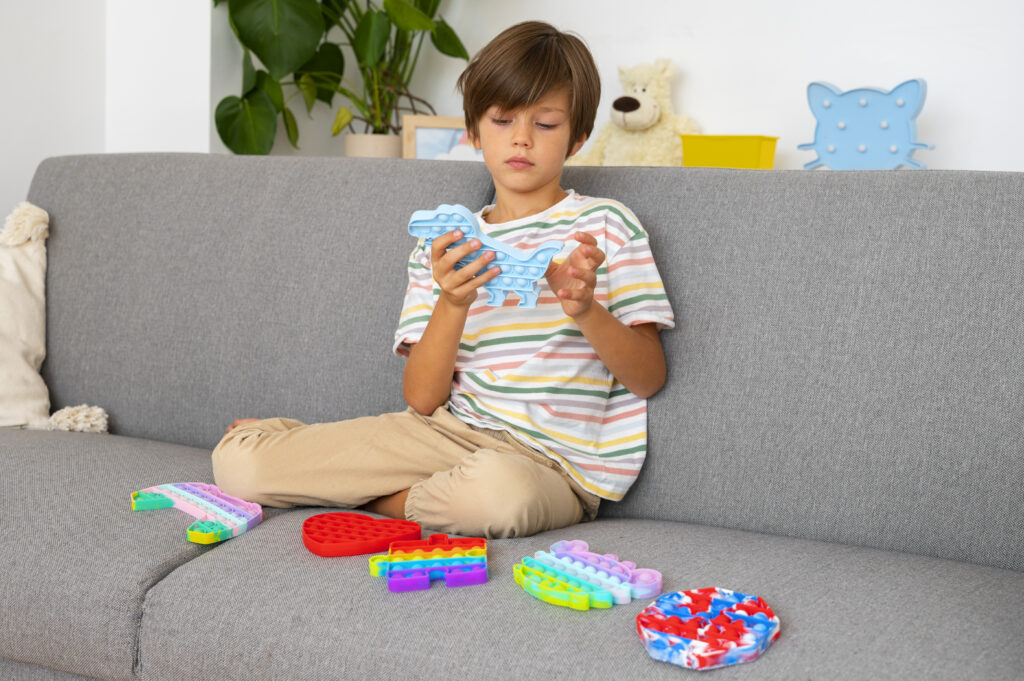
Repetitive behaviors are one of the most recognized characteristics of children on the autism spectrum. These behaviors—often referred to as repetitive or restricted behaviors—can include hand-flapping, rocking, lining up objects, repeating words or phrases, or following rigid routines. While these actions may appear puzzling or concerning to caregivers and educators, they play an important role […]
How Sleep, Diet, and Screen Time Impact Children Behaviour

Children behaviour is often viewed through the lens of discipline, temperament, or parenting style. However, three foundational lifestyle factors—sleep, diet, and screen time—play a powerful and often underestimated role in shaping children’s emotional, cognitive, and behavioural well-being. This perspective is increasingly emphasized by professionals working in child care and community-based support systems. When these basic […]
Understanding Sensory-Driven Behaviours in Kids

Children often express their needs and emotions through behaviour. While some behaviours may appear challenging, confusing, or even disruptive, many are rooted in how a child’s nervous system processes sensory information. Sensory-driven behaviours are responses to sensory input such as sound, touch, movement, smell, taste, or visual stimuli. Understanding these behaviours is essential for parents, […]
Creating Autism-Friendly Spaces at Home and School
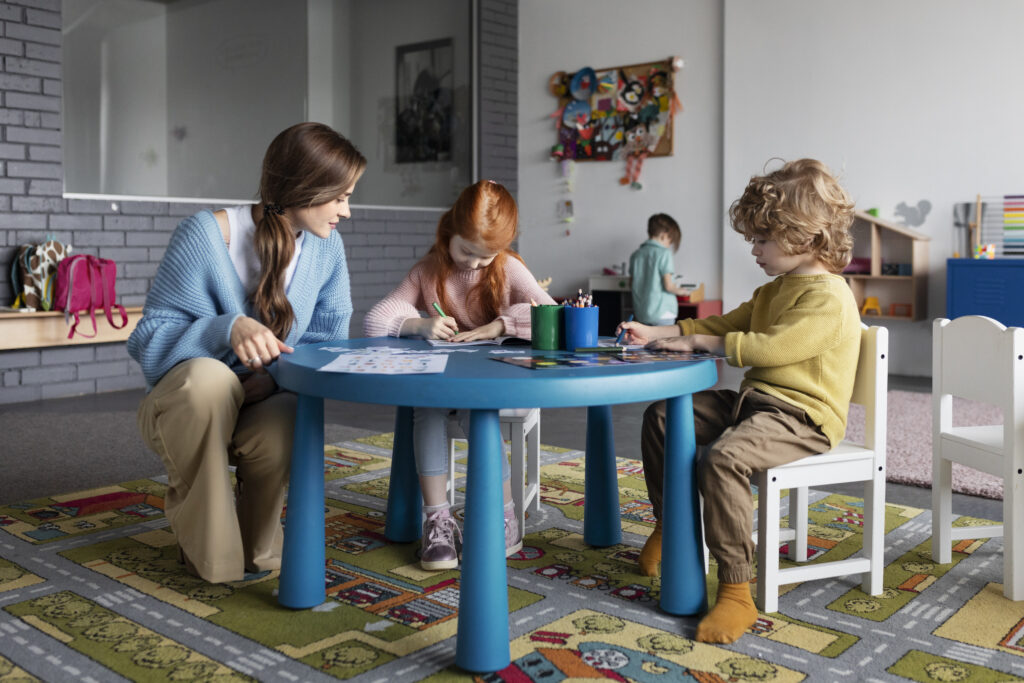
The physical and emotional environment plays a crucial role in shaping behaviour, learning, and psychological well-being. For autistic individuals, differences in sensory processing, communication, and emotional regulation make environmental design especially important. Creating autism-friendly spaces at home and school is not about eliminating challenges but about reducing unnecessary stressors and fostering safety, predictability, and inclusion. […]