
Emotional Dependency vs Healthy Attachment

Relationships play a significant role in emotional well-being, offering companionship, support, and a sense of belonging. However, not every close relationship reflects emotional health. Sometimes, what appears to be deep love or commitment may actually be emotional dependency, where one person relies excessively on another for validation, happiness, or self-worth. In contrast, healthy attachment allows […]
Stress vs Burnout: Knowing the Difference & When to Seek Help

Feeling stressed has become more typical in today’s fast-paced environment. People are frequently emotionally and physically worn out by deadlines, financial obligations, family responsibilities, and personal aspirations. While many individuals use the terms stress and burnout interchangeably, they are not the same. Understanding the distinction is important because each requires different coping strategies and levels […]
Main Challenges in Elderly Care & Practical Ways to Overcome Them
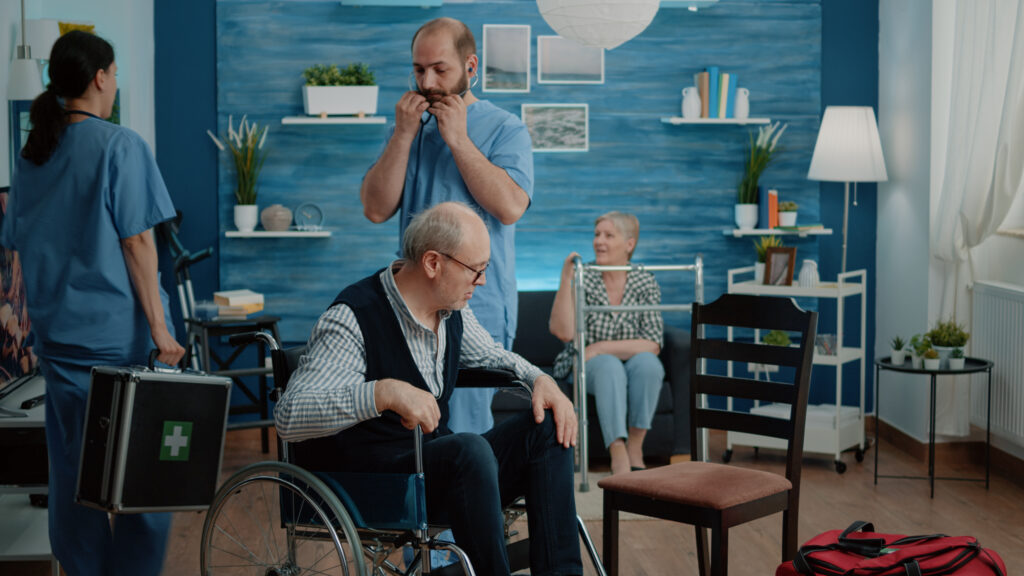
As life expectancy continues to increase worldwide, ensuring the well-being of older adults has become a significant priority for families, healthcare professionals, and communities. Aging brings valuable life experience and wisdom, but it can also introduce physical, emotional, and social challenges that require thoughtful support. Elderly care is no longer limited to managing medical conditions; […]
Loneliness & Social Isolation in Older Adults: Causes, Effects, and Solutions

Growing older brings many life changes, including retirement, health concerns, changes in family structure, and the loss of loved ones. While many older adults continue to lead active and fulfilling lives, others experience reduced social contact and emotional disconnection. These experiences can significantly affect overall well-being if left unaddressed. Although spending time alone can sometimes […]
Phone Addiction Among Older Adults: Recognising Signs & Finding Balance

Smartphones have become an essential part of everyday life, helping people stay connected, access information, manage finances, and communicate with loved ones. For older adults, mobile technology has brought many benefits, including easier access to healthcare services, social interaction, and entertainment. However, excessive phone use can gradually develop into phone addiction, interfering with daily routines, […]
Storytelling in NGOs: Changing Narratives, Changing Lives
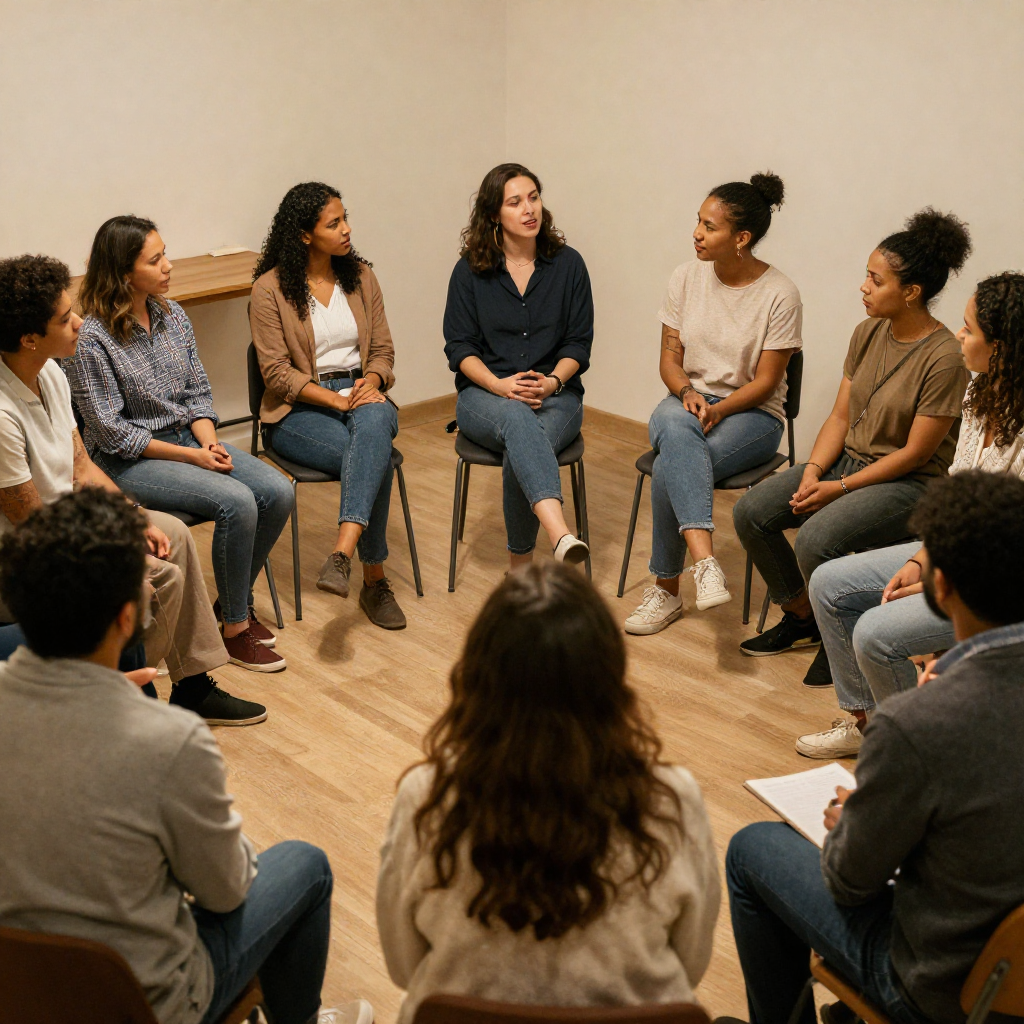
Stories have always been one of humanity’s most powerful tools for communication. Long before reports, statistics, and digital campaigns, people relied on stories to preserve culture, inspire action, and pass on wisdom. Today, storytelling continues to play a transformative role, especially within the social sector. For non-governmental organizations (NGOs), storytelling is far more than a […]
How NGOs Are Addressing Mental Health in Rural India
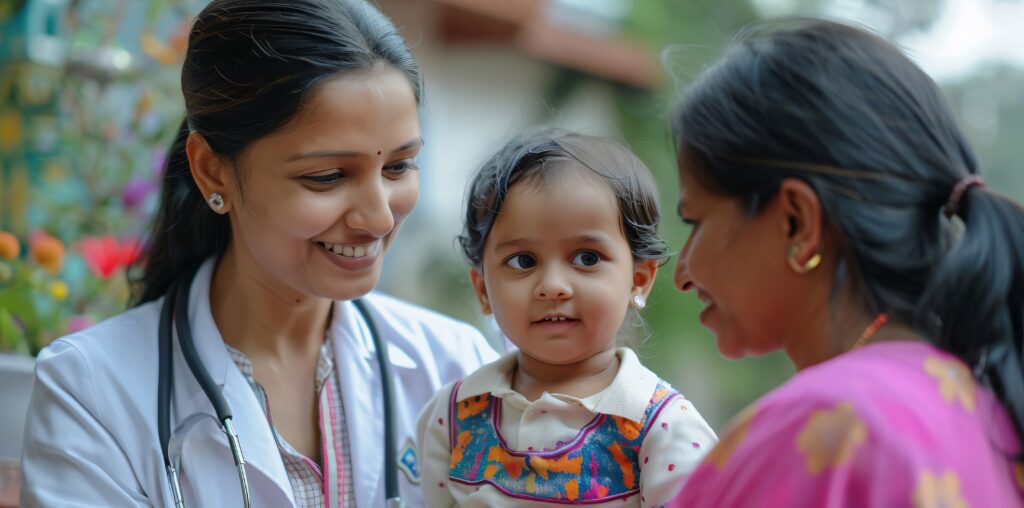
Mental health has become an increasingly important public health concern in India. While awareness and access to psychological services have improved in urban areas, rural communities continue to face significant challenges. Limited healthcare infrastructure, social stigma, shortage of trained professionals, and lack of awareness often prevent individuals from seeking help. Mental health concerns such as […]
From Risk to Rights: Ensuring Safety for the Elderly
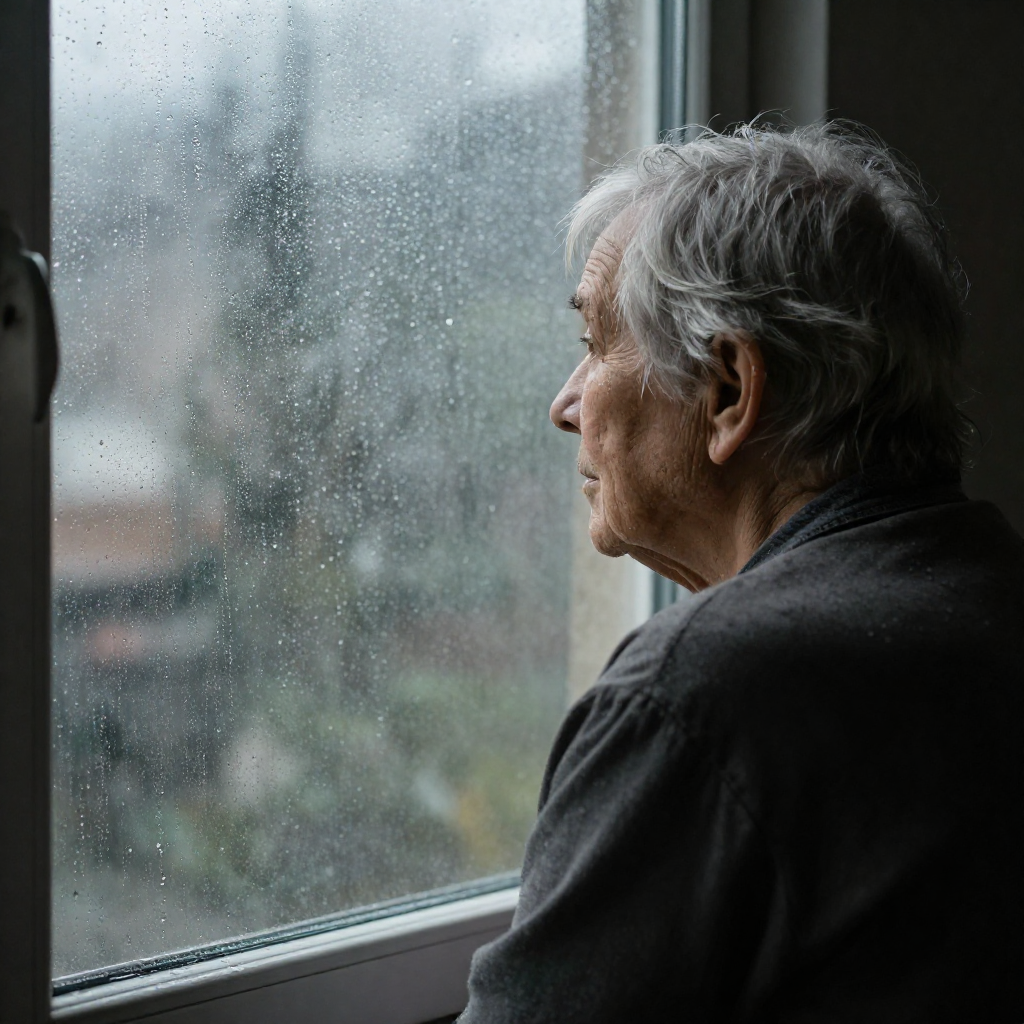
Aging is a natural part of life, yet many older adults face challenges that threaten their safety, dignity, and independence. As populations around the world continue to age, ensuring the well-being of elderly individuals has become a social responsibility rather than simply a family concern. From health-related vulnerabilities to financial exploitation and social isolation, older […]
Learning to Live Alone After Years of Togetherness

For many people, togetherness becomes a way of life. Whether it is a long-term marriage, a close family arrangement, or years spent caring for loved ones, sharing daily routines creates a sense of familiarity and emotional security. When circumstances change, children move away, a relationship ends, or a partner passes away, living alone can feel […]
Confidence Loss Due to Forgetfulness in Aging

Aging is a natural part of life, bringing wisdom, experience, and emotional maturity. However, it also comes with certain physical and cognitive changes that can sometimes affect an individual’s confidence and emotional well-being. One common concern among older adults is forgetfulness. Misplacing objects, forgetting names, struggling to recall appointments, or repeating conversations can gradually create […]