
Eat Well, Age Well: A Mediterranean-Inspired Start to the Day

Ageing well involves more than living longer; it also means maintaining energy, independence, and quality of life. Breakfast offers an opportunity to provide the body with essential nutrients that support healthy ageing. A Mediterranean-inspired breakfast, featuring fruits, whole grains, nuts, seeds, yoghurt, and healthy fats, can be a practical way to begin the day. This […]
Lessons from a Long Life: Everyday Habits That Support Healthy Aging
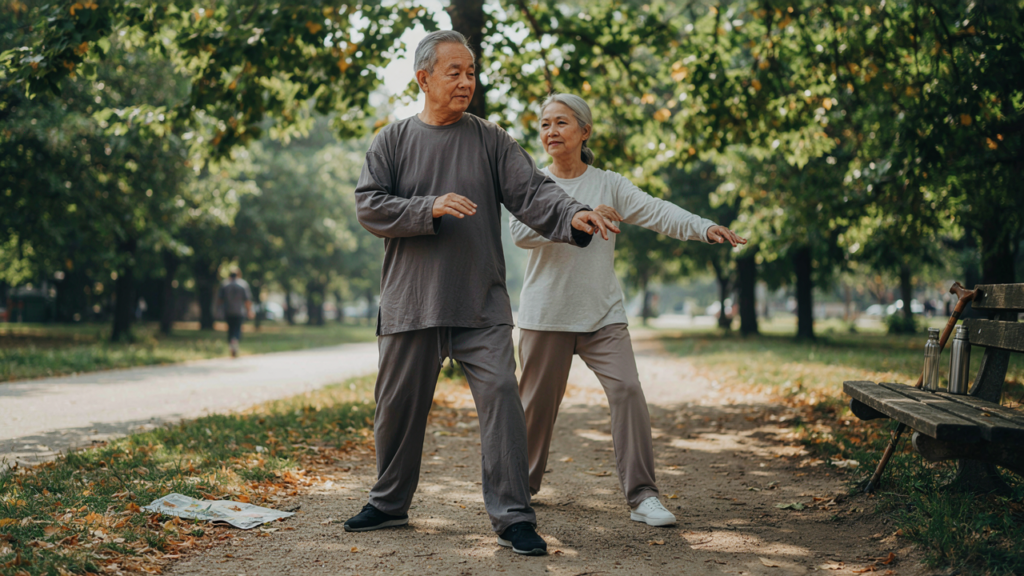
Have you ever wondered why some people seem to grow older with ease, staying sharp, active, and content well into their 80s and beyond? The answer usually isn’t luck or genetics alone. It’s a set of small, consistent habits practiced over decades. This blog explores the everyday routines that genuinely support healthy aging, from caring […]
Cleaner Communities, Healthier Lives: Lessons from Aya Nagar’s Sanitation Journey
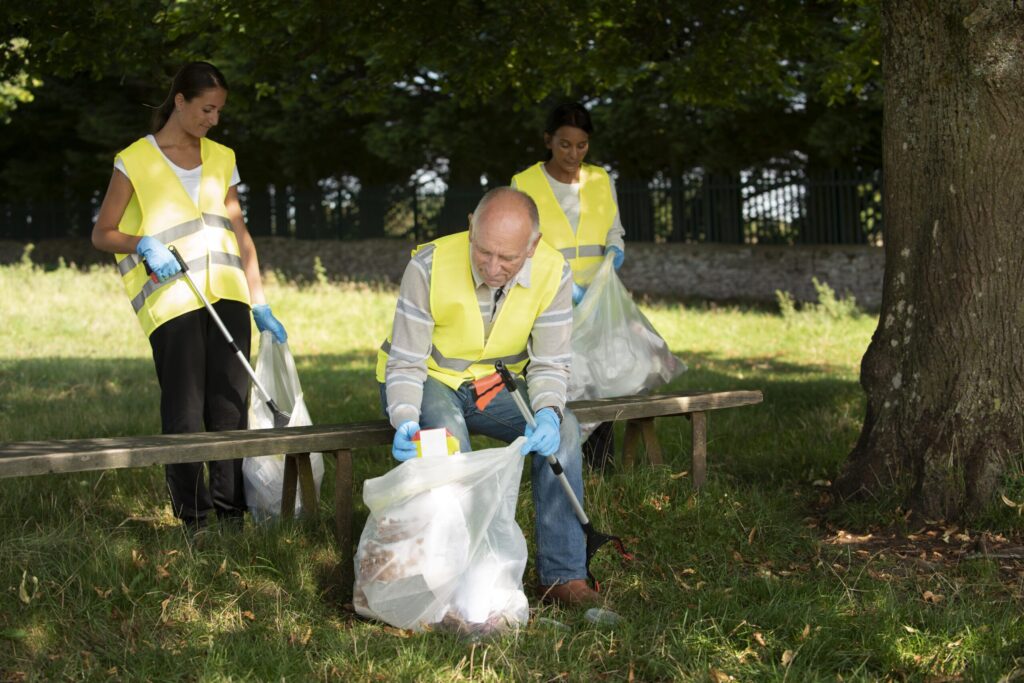
Tucked along the edges of Delhi, Aya Nagar was once a place where open drains, overflowing waste, and contaminated water were simply part of daily life. Families accepted illness as routine, and children grew up surrounded by conditions that quietly shaped their futures. But something changed. Through consistent community effort and outside support, this urban […]
These Tips Will Help You Care For An Elderly Loved One
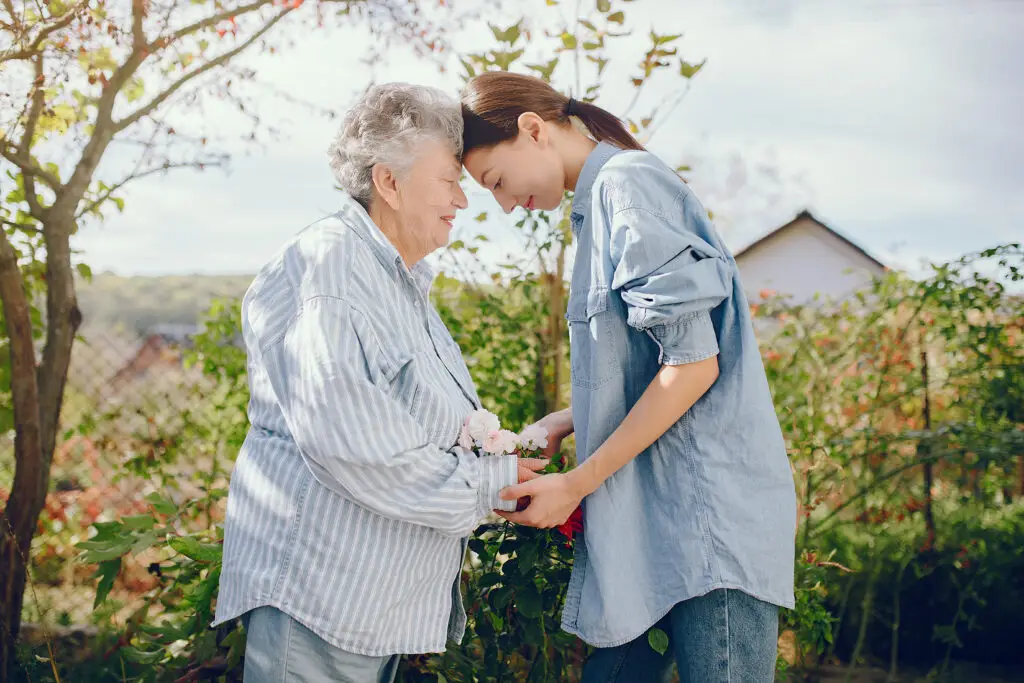
Caring for an elderly loved one is a meaningful responsibility that involves much more than helping with medicines, appointments, or household tasks. Ageing can bring changes in mobility, memory, independence, social relationships, and emotional well-being. A supportive caregiver can make these transitions easier while helping an older adult maintain dignity, choice, and a sense of […]
Fall Prevention for Elderly: Expert-Backed Exercises and Home Safety Tips
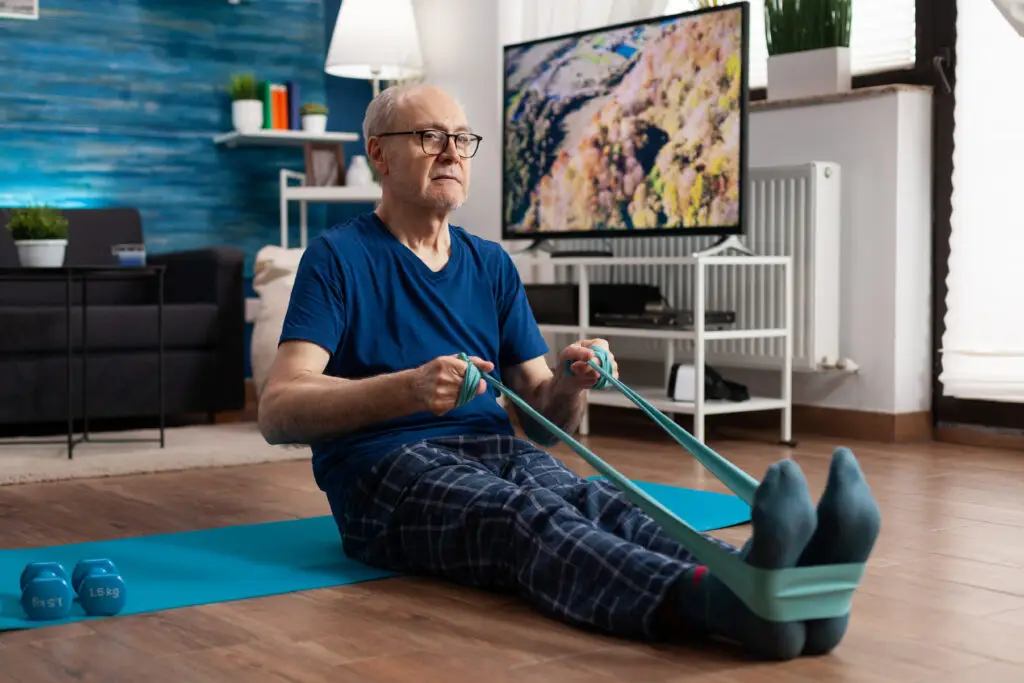
Falls are one of the most common threats to independence and quality of life in later life. They can result in fractures, head injuries, reduced mobility, hospitalisation, and fear of falling again. According to the World Health Organization (WHO), adults over 60 experience the greatest number of fatal falls, while fall prevention requires a combination […]
Mental Wellness for Seniors: How Physical Activity Fights Depression and Loneliness
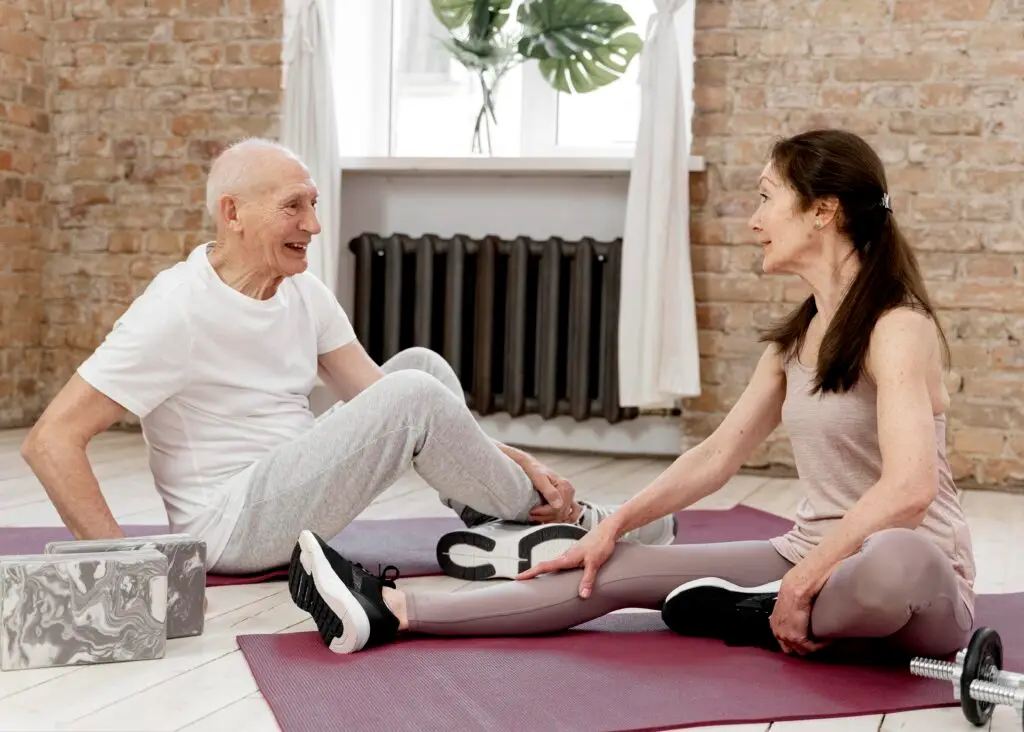
Ageing is often described as a season of slowing down. What is rarely spoken about, however, is how much this slowing down can weigh on the mind. For many seniors, retirement, the loss of a spouse, shrinking social circles, or simply the natural decline of the body can quietly give way to low motivation — […]
Viksit Bharat: Society for all Ages?
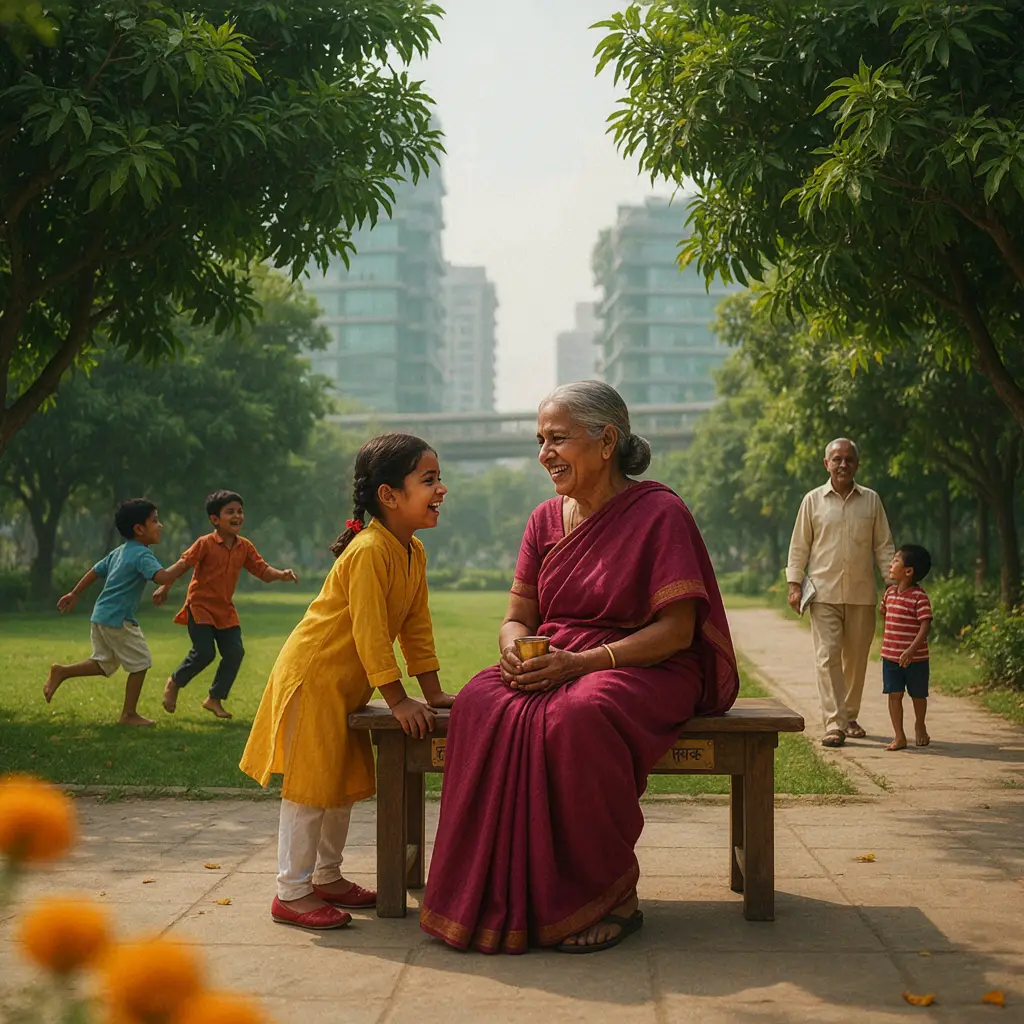
The vision of Viksit Bharat is often discussed through economic growth, infrastructure, technology, employment, and innovation. Yet, a developed nation is not defined only by its economic indicators. It is also shaped by how effectively it enables people of different ages to live with dignity, participate in society, remain healthy, and contribute meaningfully. As India […]
After the Floodwaters Receded, the Stories Remained

When floodwaters rise, survival becomes the immediate priority. People search for safety, protect loved ones, secure food and shelter, and try to save whatever possessions they can. Yet when the water recedes, the crisis does not necessarily end. Homes may remain damaged, livelihoods disrupted, schools may be closed, and communities may face uncertainty about what […]
How to Help Elderly Parents Without Hurting Their Dignity

Ageing is a natural part of life that brings wisdom, experience, and valuable memories. However, growing older may also involve physical limitations, changes in independence, and the need for additional support. For many elderly parents, accepting help can feel emotionally challenging because it may create fears of losing control, becoming dependent, or being perceived as […]
Caregiver Stress: How Families Can Support Without Burning Out

Caring for a loved one is one of the most meaningful expressions of compassion and commitment. Whether supporting an aging parent, a spouse with a chronic illness, or a family member recovering from a medical or psychological condition, caregiving often becomes an integral part of daily life. While caregiving can foster deeper emotional bonds and […]