
Healing with Nature: Simple Sustainable Habits for Everyday Well-Being

There is a particular kind of relief that comes from stepping outside — the sound of birds instead of notifications, the smell of wet earth after rain, the sight of a tree that has stood in the same spot for decades. In a world that runs on screens and deadlines, nature is quietly one of […]
Creating an Age-Friendly Home for Independence & Well-Being
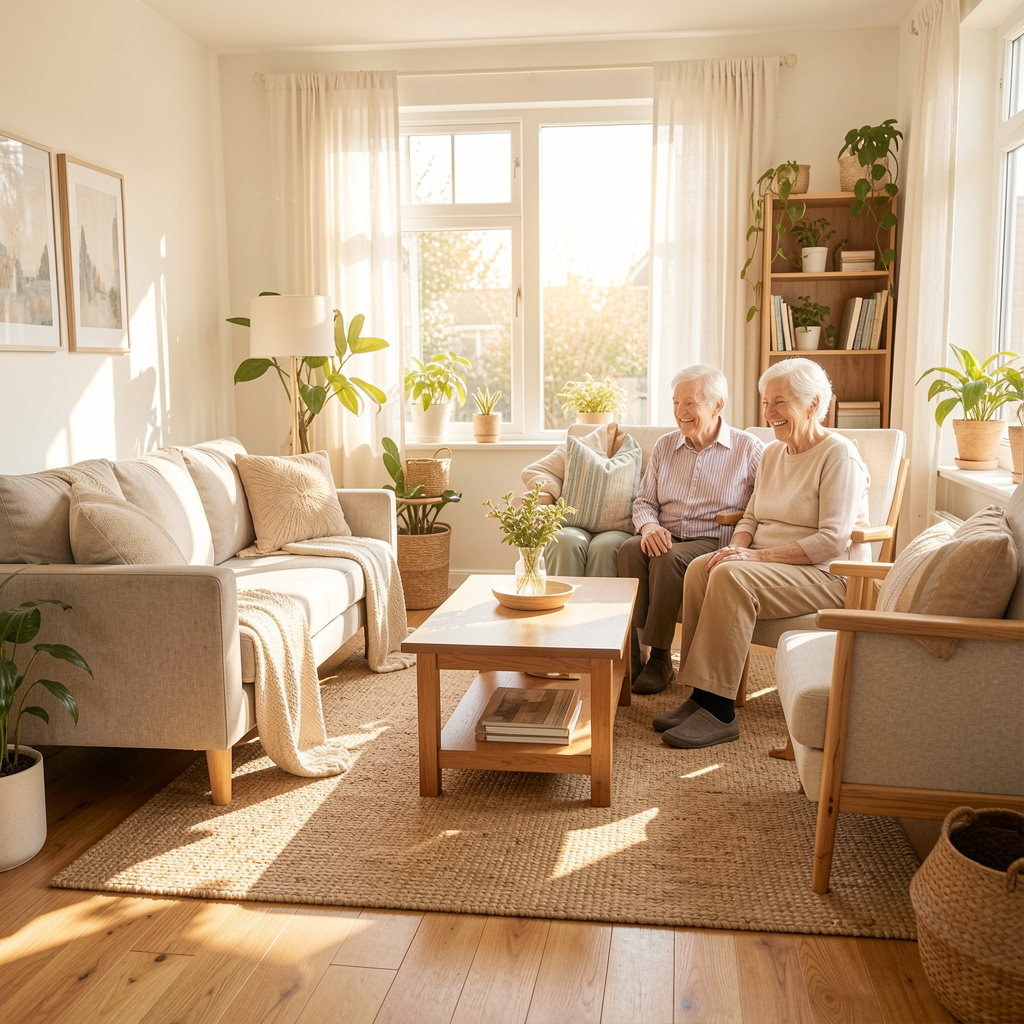
As people grow older, their homes become more than just living spaces; they become environments that influence safety, comfort, independence, and emotional health. An age-friendly home is designed to support changing physical, cognitive, and emotional needs while allowing older adults to maintain dignity and control over their daily lives. With thoughtful modifications and a supportive […]
Understanding the Aging Process: What Changes Are Normal?
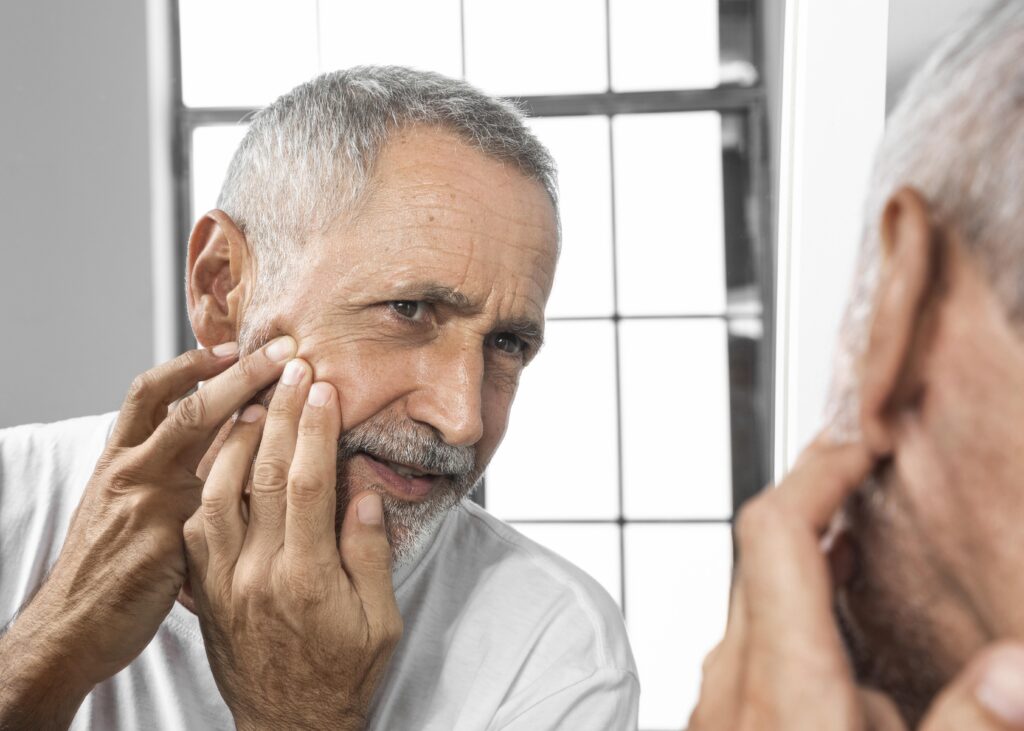
Aging is a natural and lifelong process that brings gradual physical, cognitive, emotional, and social changes. While many people associate aging with illness or disability, growing older does not necessarily mean poor health or a loss of independence. In fact, many age-related changes are a normal part of life and can be managed successfully through […]
Frontotemporal Dementia vs. Vascular Dementia: Understanding the Differences
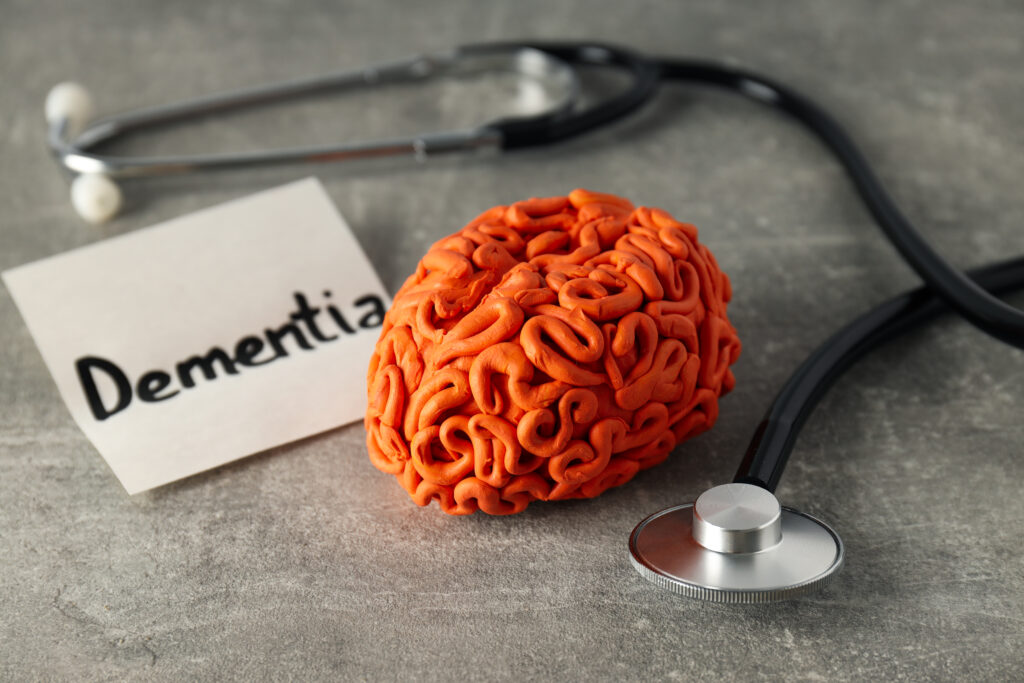
Dementia is a broad term used to describe a decline in cognitive abilities severe enough to interfere with daily life. While Alzheimer’s disease is the most recognized form, Frontotemporal Dementia (FTD) and Vascular Dementia (VaD) are two distinct types that differ in their causes, symptoms, progression, and treatment approaches. Understanding these differences is essential for […]
Is There a New Definition of Old Age? Understanding Healthy Ageing

Advances in healthcare, improved living conditions, and greater awareness of healthy lifestyles have significantly changed the way people experience ageing. Today, many adults remain physically active, socially engaged, and intellectually productive well into their later years. As a result, the traditional definition of old age is evolving from one of decline and dependency to one […]
Mental Health in Adults Over 70: Why It Deserves More Attention
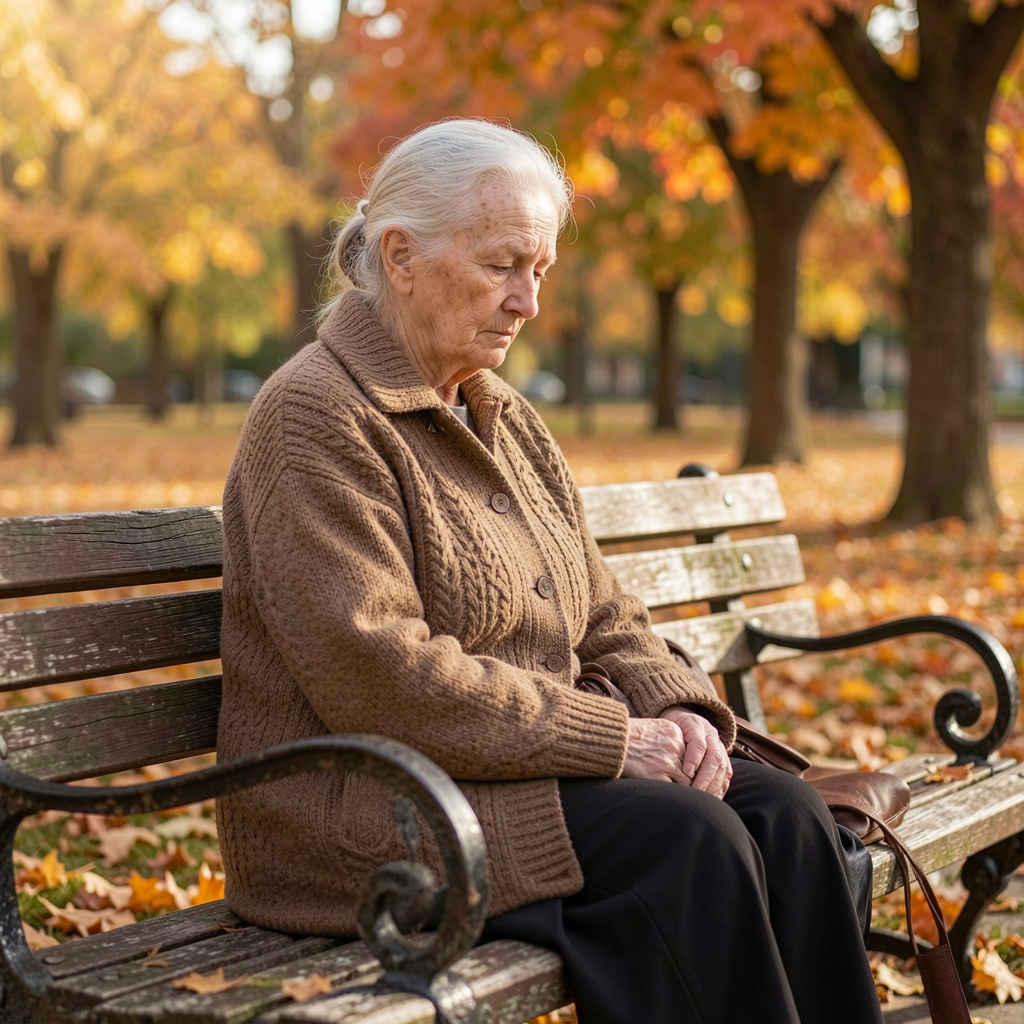
As life expectancy continues to increase, more people are living well into their seventies and beyond. While physical health often receives considerable attention during later life, mental health is frequently overlooked. Emotional well-being is equally important because it influences quality of life, independence, relationships, and overall health. With timely awareness, family support, and appropriate care, […]
Bridging the Generation Gap in Modern Families
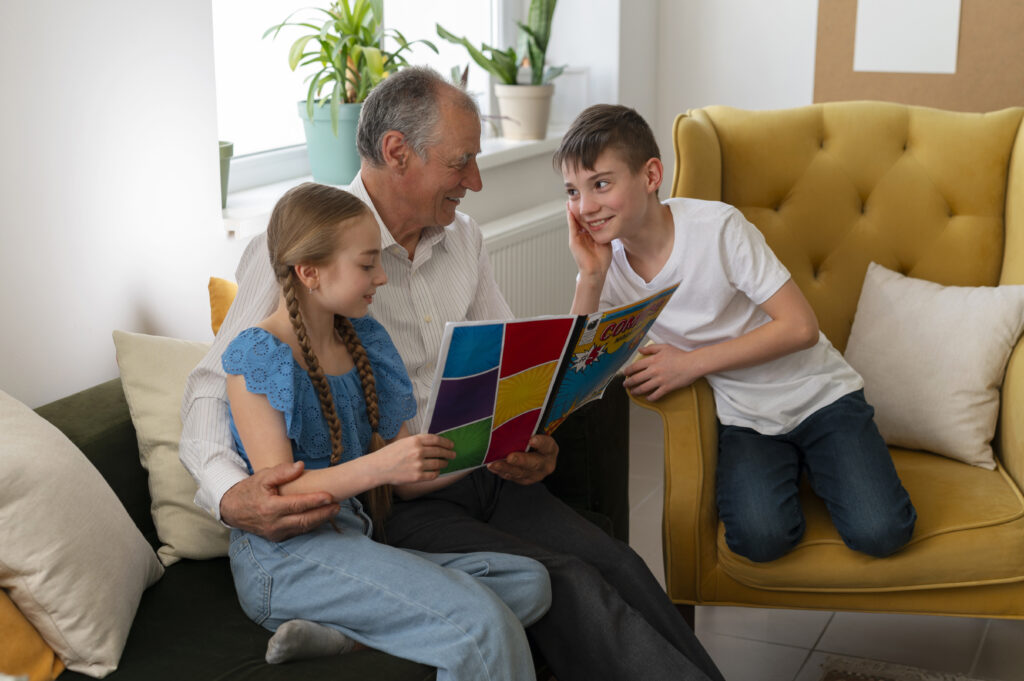
Families has its own traditions, values, and ways of communicating. However, as societies evolve rapidly due to technological advancements, changing lifestyles, globalization, and shifting cultural expectations, differences between generations have become more noticeable than ever. Grandparents, parents, and children often grow up in entirely different social environments, shaping unique perspectives on work, education, communication, and […]
Five Common Challenges Grandparents Face with Generation Z

Grandparents play an important role in providing love, guidance, and emotional support to younger family members. However, the rapid social, technological, and cultural changes experienced by Generation Z have created new dynamics within families. It can occasionally be challenging for grandparents and grandchildren to understand each other due to differences in communication methods, values, and […]
The Hidden Impact of Ageism on Mental Health & Self-Esteem in Older Adults
Growing older should be viewed as a stage filled with wisdom, resilience, and meaningful life experiences. Unfortunately, many older adults encounter negative attitudes that portray aging as a period of decline, dependency, and reduced capability. These misconceptions often become deeply rooted in workplaces, healthcare settings, families, and media representations. Over time, such attitudes can affect […]
How Chronic Pain Affects Mental Health in Older Adults
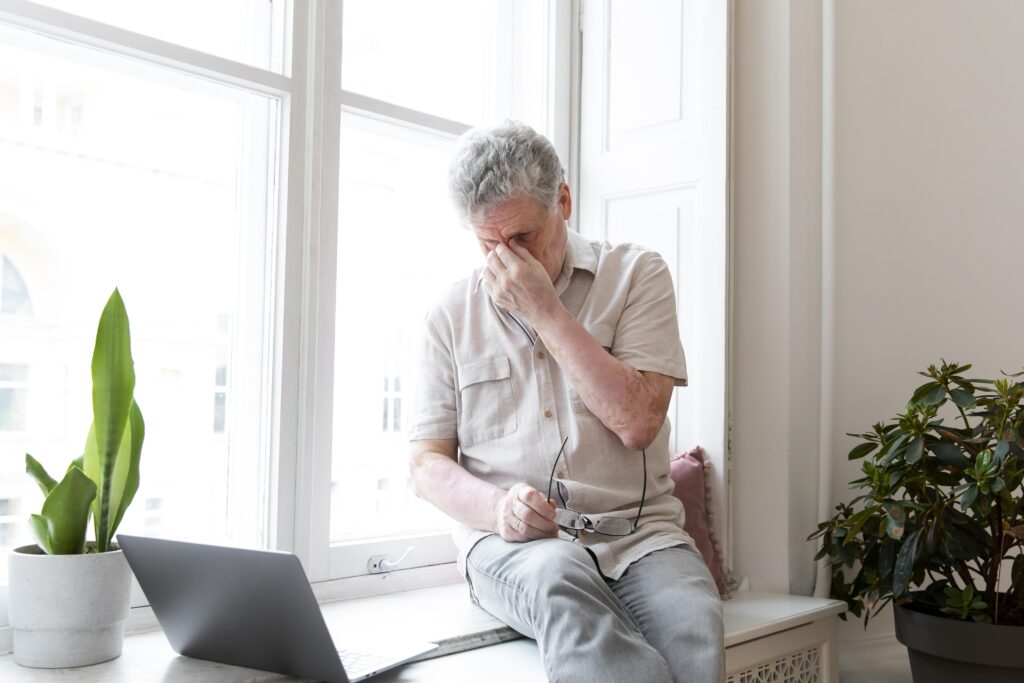
Growing older often brings physical changes, but when pain becomes a constant companion, it can affect far more than the body. Chronic pain is one of the most common health concerns among older adults, often resulting from arthritis, osteoporosis, nerve disorders, diabetes, back problems, or previous injuries. Unlike short-term pain, chronic pain persists for months […]