
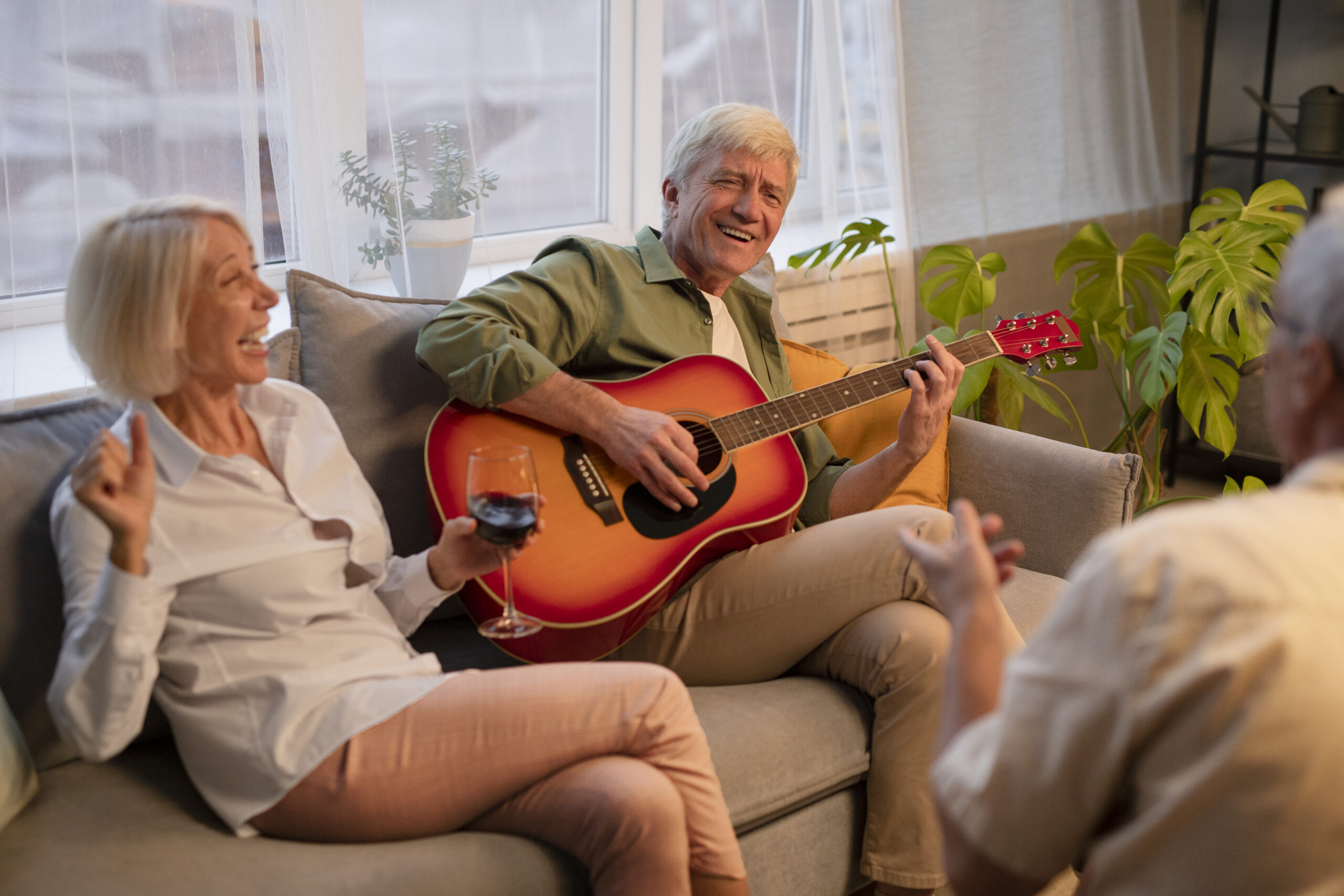
Advances in healthcare, improved living conditions, and greater awareness of healthy lifestyles have significantly changed the way people experience ageing. Today, many adults remain physically active, socially engaged, and intellectually productive well into their later years. As a result, the traditional definition of old age is evolving from one of decline and dependency to one of continued growth, independence, and purpose. Healthy ageing is no longer determined solely by chronological age but by an individual’s ability to maintain physical, emotional, and social well-being throughout life.
A Changing Perspective on Ageing
Growing older does not automatically mean poorer health or reduced quality of life. Many older adults continue to contribute to their families, workplaces, and communities while maintaining active lifestyles. However, adapting to retirement, health concerns, or changing family roles may sometimes create stress, making emotional adjustment an important aspect of healthy ageing.
For some individuals, concerns about declining health, financial security, or independence may contribute to anxiety. Recognising these emotional responses early and seeking appropriate support can help older adults maintain confidence and resilience.
Emotional Well-Being Is Equally Important
Healthy ageing involves caring for emotional health as much as physical health. Older adults who maintain positive relationships, meaningful activities, and supportive social networks are often better equipped to manage life’s transitions.
Some individuals experience loneliness following retirement, bereavement, or reduced social interaction. Addressing these feelings through family involvement, community participation, and regular communication helps strengthen emotional well-being.
Emotional concerns may also affect sleep, making it difficult to feel rested or maintain daily routines. Establishing consistent habits, engaging in relaxing activities, and maintaining social connections contribute to healthier sleep patterns.
Building Resilience Through Healthy Habits
Ageing successfully requires developing habits that support both mental and physical wellness. Practising mindfulness encourages individuals to remain focused on the present, manage emotional reactions, and respond calmly to life’s challenges.
Learning emotion control also helps older adults cope effectively with frustration, disappointment, or unexpected life changes. Instead of reacting impulsively with anger, individuals become better able to communicate their needs and maintain healthier relationships with family members and caregivers.
Setting meaningful personal objectives through goal setting provides purpose and direction after retirement. Whether learning a new skill, travelling, volunteering, or pursuing hobbies, realistic goals encourage continued engagement and personal satisfaction.
The Importance of Confidence and Healthy Living
Maintaining self-esteem is an essential part of healthy ageing. Older adults who recognise their strengths, life experiences, and continued contributions are more likely to remain socially engaged and emotionally resilient.
Some individuals may experience low motivation due to changing routines or health challenges. Encouragement from family, participation in enjoyable activities, and involvement in community programmes can help restore confidence and enthusiasm.
Equally important is maintaining good physical health through regular exercise, balanced nutrition, preventive healthcare, and adequate rest. Physical and emotional well-being are closely connected, and caring for one often strengthens the other, allowing older adults to enjoy greater independence and a higher quality of life.
Creating Supportive Environments
Healthy ageing is influenced not only by personal habits but also by supportive families and communities. Older adults thrive when they have opportunities to remain socially active, participate in lifelong learning, volunteer, and contribute their knowledge and experience. Age-friendly communities that provide accessible healthcare, recreational activities, and social engagement help seniors maintain independence and emotional well-being.
Families can further promote healthy ageing by encouraging open communication, respecting older adults’ autonomy, and involving them in meaningful family decisions. These efforts foster a sense of belonging and purpose while reducing the emotional impact of later-life transitions.
When Professional Support Is Beneficial
Although many older adults adapt well to ageing, some may require professional guidance to manage emotional or psychological concerns. Individuals seeking counselling in delhi can benefit from evidence-based therapies that strengthen coping skills, improve emotional resilience, and support healthy ageing. Consulting the Best Psychologists in delhi allows older adults to receive personalised care for emotional challenges associated with later life. Families navigating caregiving responsibilities or communication difficulties may also benefit from Family Counselling, which promotes understanding, cooperation, and stronger family relationships.
Community Awareness and Advocacy
Promoting healthy ageing requires collaboration among healthcare professionals, families, policymakers, and community organisations. The Global Development Foundation (GDF) is a committed non-profit organisation that uses community outreach, advocacy, and education to enhance the quality of life for senior citizens. Recognised as a Top NGO of India, the organisation also supports geriatric care initiatives that encourage dignity, active ageing, and greater social inclusion for senior citizens.
Conclusion
The definition of old age is changing as more individuals lead active, healthy, and meaningful lives well beyond their retirement years. Healthy ageing involves maintaining emotional well-being, physical fitness, social engagement, and a sense of purpose while adapting positively to life’s transitions. TalktoAngel provides accessible online counselling services that support older adults in strengthening emotional resilience and overall well-being. Psychowellness Center offers evidence-based psychological care to help seniors and their families navigate the challenges of ageing with confidence. At the community level, Global Development Foundation (GDF) continues to promote awareness, advocacy, education, and outreach programmes that encourage healthy ageing and create more inclusive communities for older adults.
Contribution: Dr. R. K. Suri, Clinical Psychologist & Life Coach, and Mr. Harshit Vaid, Counselling Psychologist.
References
https://www.psychowellnesscenter.com/Blog/the-impact-of-geriatric-psychotherapy-on-well-being
Beard, J. R., Officer, A., de Carvalho, I. A., et al. (2016). The World report on ageing and health: A policy framework for healthy ageing. The Lancet, 387(10033), 2145–2154. https://doi.org/10.1016/S0140-6736(15)00516-4
Rowe, J. W., & Kahn, R. L. (2015). Successful aging 2.0: Conceptual expansions for the 21st century. The Journals of Gerontology: Series B, 70(4), 593–596. https://doi.org/10.1093/geronb/gbv025
World Health Organization. (2021). Decade of Healthy Ageing: Baseline report. World Health Organization.
World Health Organization. (2022). Mental health. https://www.who.int/news-room/fact-sheets/detail/mental-health
World Health Organization. (2024). Healthy ageing. https://www.who.int/health-topics/ageing