
Top 7 Benefits of Retirement Communities
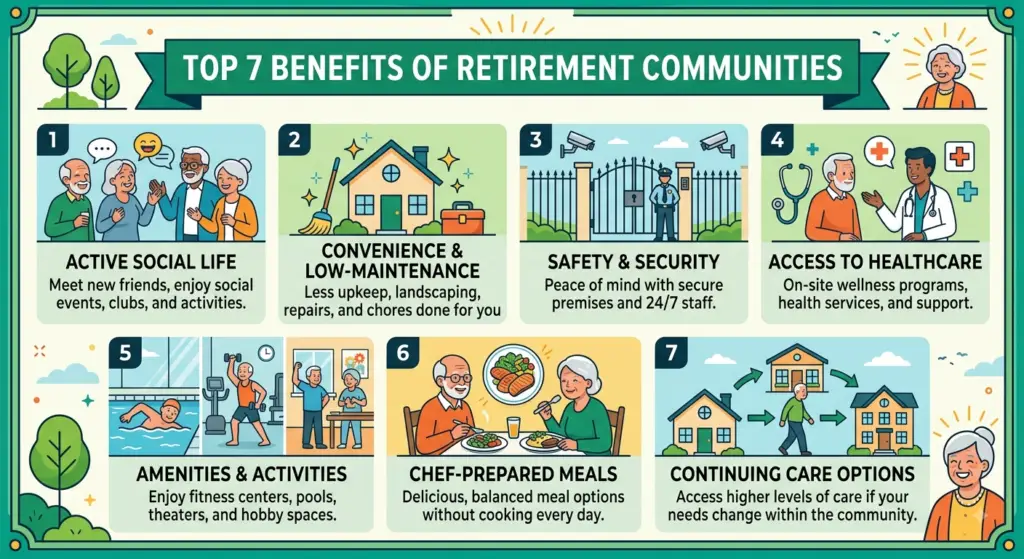
Retirement can mark a meaningful new stage of life, offering older adults more time for personal interests, relationships, health, and community participation. However, adjusting to changes in routine, social roles, and living arrangements can be challenging. Retirement communities can support this transition by promoting independence while providing social activities, practical assistance, and opportunities for connection, […]
The Care That Walks With You
Care is often associated with illness or dependence, but meaningful care can also be a continuous source of support throughout life. As people age, changes in health, mobility, social roles, and emotional needs may arise. Dependable care can help them navigate these transitions while preserving dignity, independence, and choice. It is not just about assistance […]
The Power of Reminiscence Therapy: Supporting Mental Well-being in Ageing
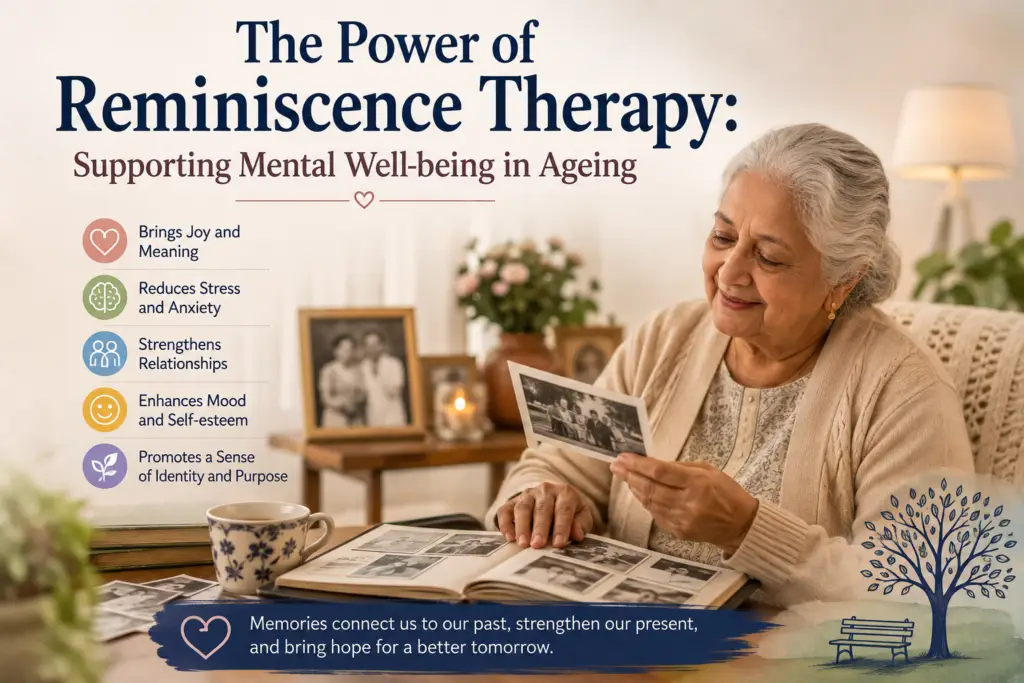
Growing older brings valuable life experiences, but it can also involve challenges such as retirement, health issues, and the loss of loved ones, which may affect emotional well-being. Reminiscence therapy is an evidence-based approach that encourages older adults to reflect on meaningful memories, helping strengthen their sense of identity, enhance emotional well-being, and promote a […]
Bridging the Generation Gap in Modern Families
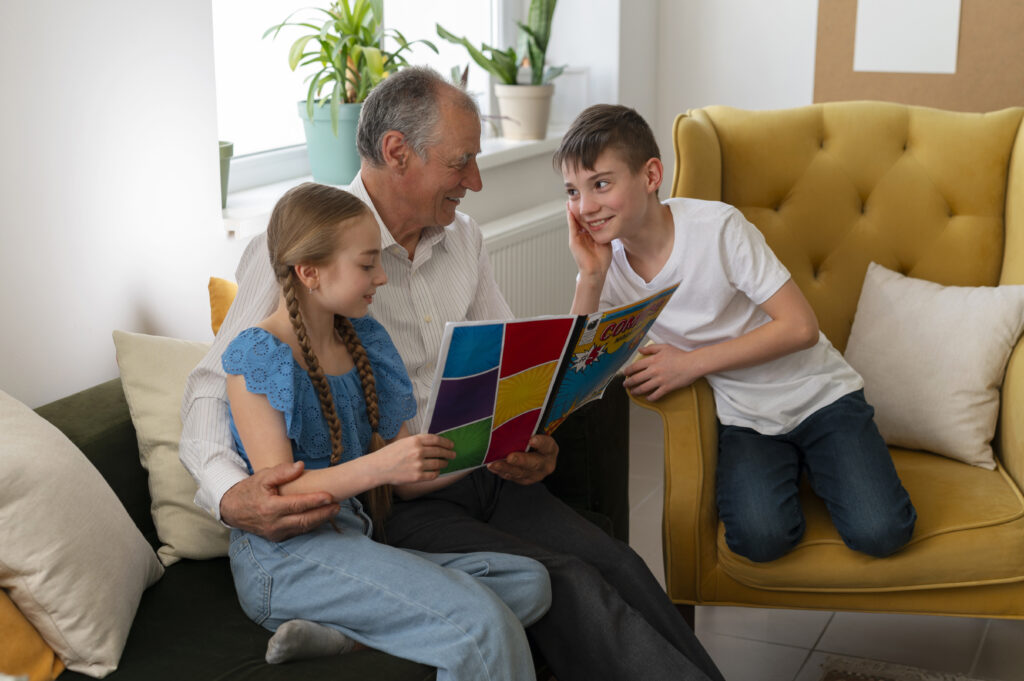
Families has its own traditions, values, and ways of communicating. However, as societies evolve rapidly due to technological advancements, changing lifestyles, globalization, and shifting cultural expectations, differences between generations have become more noticeable than ever. Grandparents, parents, and children often grow up in entirely different social environments, shaping unique perspectives on work, education, communication, and […]
Why Healthy Communication Is the Foundation of Strong Relationships

Relationships thrive on trust, respect, understanding, and emotional security. While love often brings two people together, it is healthy communication that helps relationships grow and endure life’s inevitable challenges. Whether it is a partnership, marriage, friendship, or family bond, the ability to express thoughts honestly and listen with empathy forms the backbone of meaningful connections. […]
Building Support Systems Outside Marriage
Marriage is often viewed as one of the primary sources of emotional support, companionship, and stability. While a healthy marital bond can provide comfort and encouragement, relying exclusively on a spouse to meet every emotional, social, and practical need may create unrealistic expectations. Life is dynamic, and circumstances such as career demands, relocation, caregiving responsibilities, […]
When Is Divorce the Right Choice in Old Age?

Marriage is often viewed as a lifelong commitment, especially among older generations. After decades of shared memories, raising children, building careers, and facing life’s challenges together, the idea of divorce in old age may seem unimaginable. However, an increasing number of older couples are choosing to separate, a phenomenon commonly referred to as “gray divorce.” […]
Learning to Live Alone After Years of Togetherness
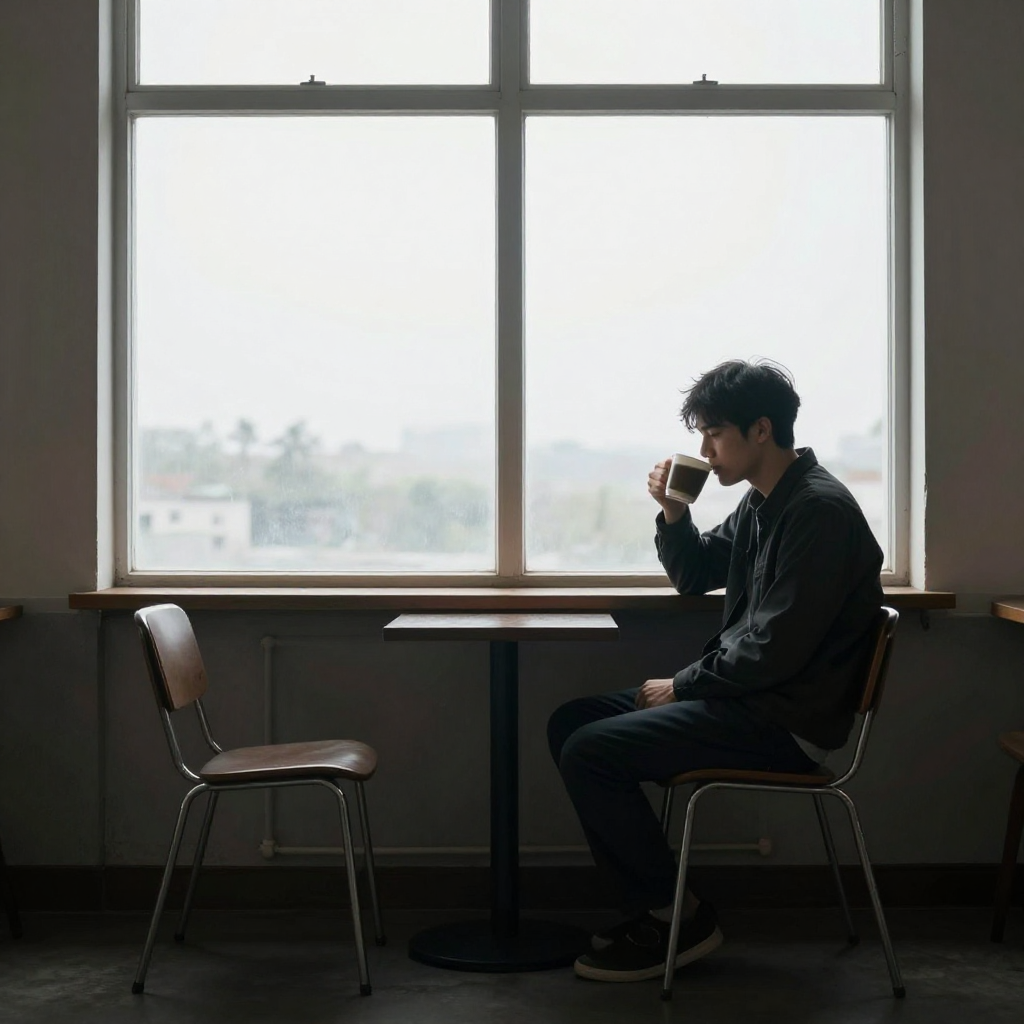
For many people, togetherness becomes a way of life. Whether it is a long-term marriage, a close family arrangement, or years spent caring for loved ones, sharing daily routines creates a sense of familiarity and emotional security. When circumstances change, children move away, a relationship ends, or a partner passes away, living alone can feel […]
Why Do Marital Conflicts Increase in Old Age?
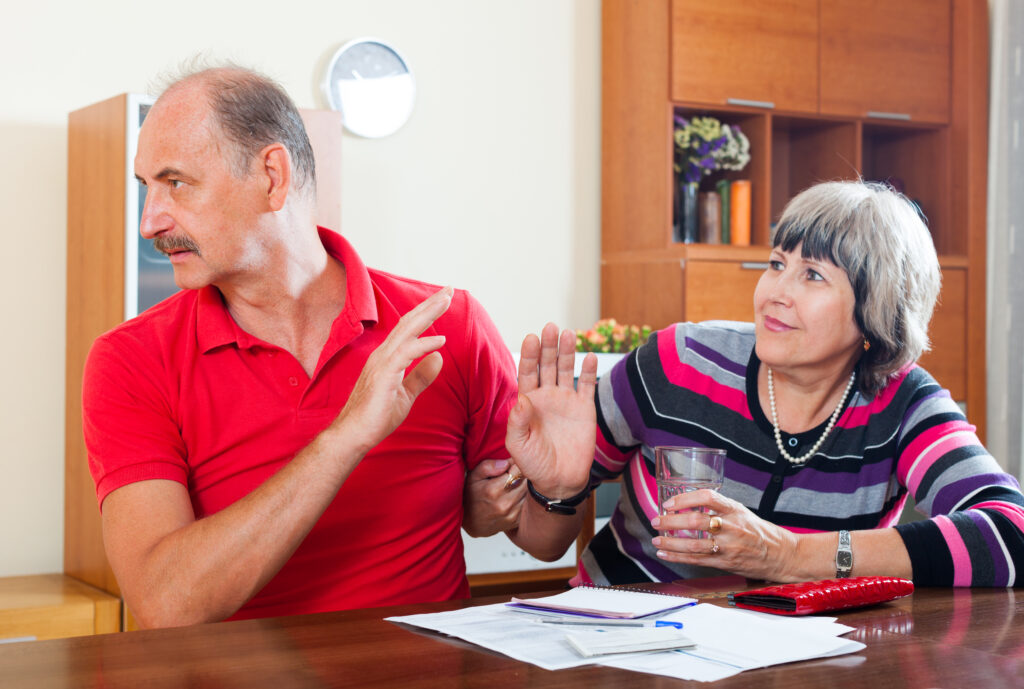
Marriage is often imagined as becoming calmer and more peaceful with age. Many people believe that couples naturally get closer and more understanding after retiring, having children, and spending decades together. But reality can be more nuanced. For many elderly couples, marital conflicts actually increase in old age. Long-standing unresolved issues, health concerns, financial dependency, […]
Is It Normal to Feel Like Leaving a Marriage in Old Age?

The choice to question or consider ending a marriage is an emotionally heavy experience at any stage of life. However, these emotions can feel particularly confusing and alienating when they surface in later adulthood, sometimes resulting in what sociologists and psychologists refer to as a “gray divorce“. Society often projects an assumption that couples who […]