
Post-Surgery Rehabilitation at Home: What Families Need to Know

Surgery may end in the operating room, but recovery continues long after the patient returns home. The period following discharge can involve pain, weakness, restricted movement, medication schedules, wound care, dietary changes, and emotional adjustments. For families, this phase can feel overwhelming because they suddenly become an important part of the recovery process. With appropriate […]
Emotional Dependency vs Healthy Attachment

Relationships play a significant role in emotional well-being, offering companionship, support, and a sense of belonging. However, not every close relationship reflects emotional health. Sometimes, what appears to be deep love or commitment may actually be emotional dependency, where one person relies excessively on another for validation, happiness, or self-worth. In contrast, healthy attachment allows […]
Unresolved Issues in Marriage That Resurface Later in Life

Marriages evolve, shaped by shared experiences, responsibilities, and changing life circumstances. While many couples learn to adapt and grow together, some issues remain unaddressed beneath the surface. These unresolved concerns may not always disrupt daily life immediately, but they often resurface later, particularly during transitional phases such as retirement, children leaving home, or health-related changes. […]
Sleep Hygiene for All Ages: Improving Mood & Cognitive Function

Sleep is often viewed as a passive state, something that simply marks the end of a busy day. In reality, it is a highly active and essential biological process that supports both mental and physical health. Across all stages of life, quality sleep plays a central role in stabilizing mood, enhancing cognitive performance, and maintaining […]
Transition Planning for Young Adults with Autism

“Growing up is not just about getting older, it’s about finding your place in the world.” For young adults with autism, this journey into adulthood can feel both exciting and overwhelming. The transition from school to independent living, higher education, or employment requires careful planning, emotional support, and structured guidance. Without the right preparation, many […]
The Impact of ADHD on Academic Motivation

“I know I can do it… I just can’t seem to start.” This is a common feeling expressed by students with ADHD. It’s not a lack of ability or intelligence; it’s often a struggle with motivation, focus, and consistency. Academic life demands sustained attention, organisation, and self-discipline, which can be particularly challenging for individuals with […]
How Psychotic Disorders Impact Mental Health in the Elderly?

Psychotic disorders in older adults are complex mental health conditions that significantly affect emotional well-being, cognition, and daily functioning. These disorders may include schizophrenia, delusional disorder, and psychosis related to neurocognitive conditions such as dementia. In elderly individuals, psychotic symptoms—such as hallucinations and delusions—often present differently than in younger populations and may be influenced by […]
Understanding the Social Challenges of ADHD in School

Attention-Deficit/Hyperactivity Disorder (ADHD) is often discussed in terms of attention difficulties and hyperactivity, but its social impact is equally significant. In school environments, children with ADHD may struggle to interpret social cues, regulate their responses, or maintain consistent interactions with peers. These challenges are not due to a lack of interest in friendships but rather […]
The Role of Counseling in Treating Late-Life Depression

As individuals age, they experience numerous life transitions such as retirement, declining physical health, bereavement, and changes in family dynamics. While aging can bring wisdom and emotional maturity, it can also increase vulnerability to mental health concerns. Among these concerns, late-life depression has emerged as a significant issue affecting older adults worldwide. Counseling and psychotherapy […]
Mental Health Awareness in Communities
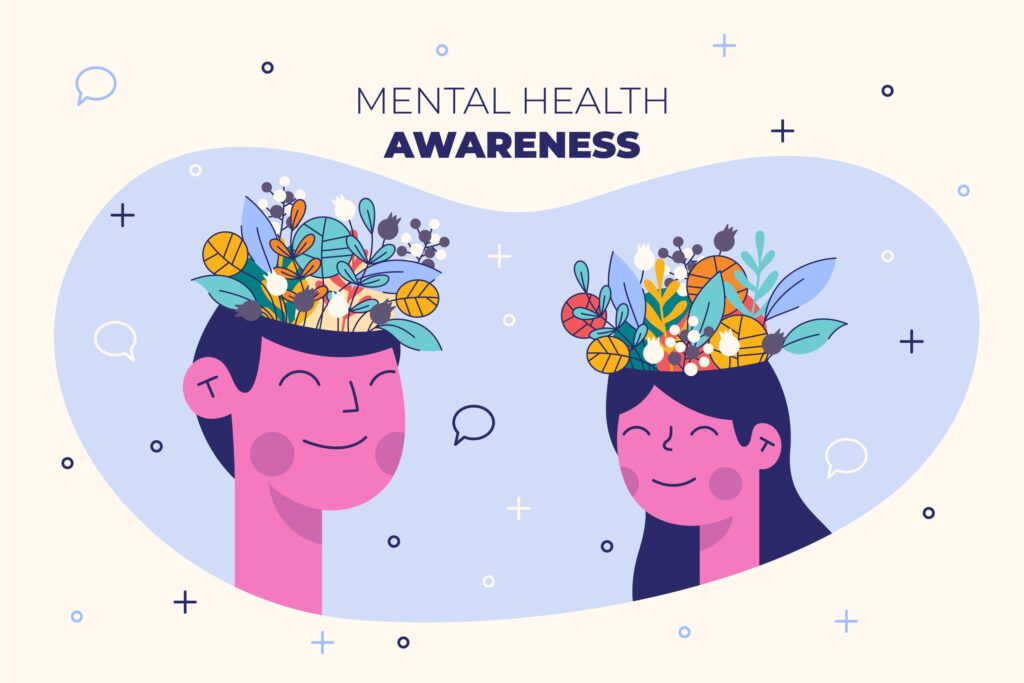
Mental health awareness in communities has become an essential component of modern public health systems. Mental well-being influences how individuals think, feel, behave, and interact with others in their daily lives. However, despite its importance, mental health is often overlooked due to stigma, misinformation, and limited access to professional resources. Promoting awareness within communities helps […]