
Sleep, Ageing, & Mental Health: Why Rest Matters More After 60

After the age of sixty, sleep becomes a defining factor in mental health and emotional resilience. Contrary to the belief that older adults need less rest, the requirement for restorative sleep remains unchanged, even as the body’s ability to achieve it declines. Disrupted sleep in later life directly affects mood, memory, and the brain’s capacity […]
Resilience in Wrinkles: Psychological Strengths That Come With Age

Aging is often framed as decline, a gradual loss of speed and status. Yet clinical psychology highlights the “Paradox of Aging”: despite physical changes, people over sixty report greater emotional stability, resilience, and life satisfaction than younger adults. This strength is earned through experience—each challenge refining perspective and priorities. Rather than fading, later life becomes […]
Psychology of Letting Go: Ageing, Acceptance, and Inner Growth

As we move into the later chapters of life, a quiet paradox emerges: even as our physical world may contract, our inner landscape can expand without limit. This stage is not merely chronological but a psychological threshold—an invitation to master the art of letting go. While youth trains us to accumulate roles, status, and identity, […]
From Productivity to Presence: Redefining Self-Worth in Later Life

For the better part of our lives, our value and self-worth are measured by our output. We are defined by the titles we hold, the income we generate, and the roles we fulfil as providers and protectors. This “Doing” model of existence creates a sense of purpose—and self-worth—that is inextricably linked to external achievements and […]
The Silent Struggles of Elderly Mental Health No One Talks About
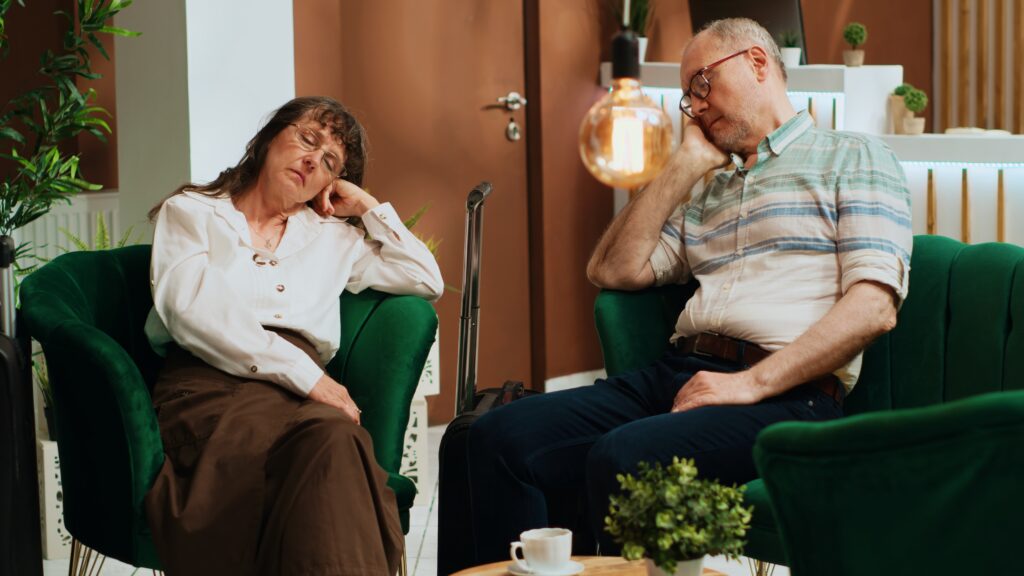
In our society, the later years of life are often envisioned as a time of peaceful slowing down—a “sunset” period defined by leisure and the absence of responsibility. However, this romanticized view often masks a much more complex and quiet reality. For many seniors, the transition into older adulthood involves a series of internal battles […]
Spirituality, Aging, and Inner Peace After 60

The transition into the seventh decade of life is often described as a journey toward the “inner horizon.” While the earlier years are dominated by external achievements, building careers, and raising families, the years after sixty offer a profound opportunity to look inward. This phase of life is not merely a chronological milestone; it is […]
Neurodiversity & Ageing: Supporting Minds Across Life Stages

The way we understand the human mind has changed significantly in recent years. Instead of seeing neurological differences only as problems to be fixed, there is growing recognition that minds work in many different ways. This idea, often described as neurodiversity, reminds us that variation in thinking, learning, and processing is a natural part of […]
Cognitive Disorders Across Ages: Shared Challenges, Different Signs

When people hear the term “cognitive disorders,” they often imagine very different things depending on age. For some, it brings to mind a child struggling in school. For others, it means an older adult slowly losing their memory. What is rarely discussed is how these experiences are connected, not just biologically, but emotionally and socially […]
From Classroom to Geriatric Care: Mental Health for All Ages

Mental health is often treated as a concern that appears at specific points in life—during exams, a work crisis, or serious illness. In reality, emotional well-being shapes everyday experiences from early childhood to older adulthood. How people cope, connect, and adapt changes with age, but the need for psychological support remains constant. Children navigating classrooms, […]
Retirement and Identity Crisis: Psychological Adjustment in Older Adults

Retirement is often portrayed as a long-awaited reward after decades of work. It is described as a time for rest, freedom, and personal pursuits that were once postponed. Yet for many older adults, retirement brings unexpected emotional challenges that are rarely spoken about openly. Work is not just a source of income; it shapes identity, […]