
Elderly Services: Be a Lifeline for the Elderly
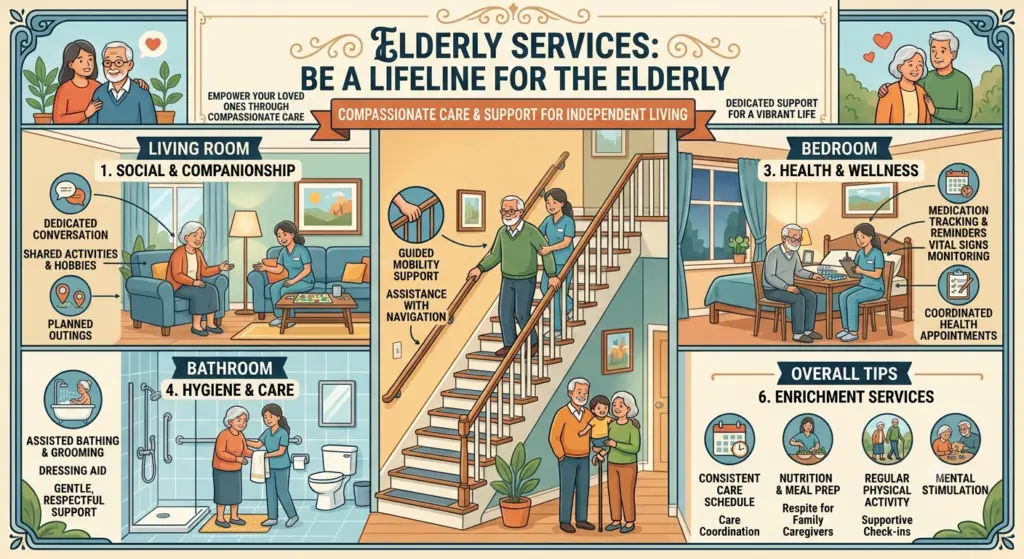
Ageing brings wisdom and meaningful memories but can also involve challenges such as retirement, health changes, reduced mobility, bereavement, financial concerns, and changing family structures. As families become more dispersed, some older adults may need additional support to remain healthy, socially connected, and independent. Elderly services can address practical, emotional, social, and healthcare needs while […]
The Benefits of Resistance Training for Seniors
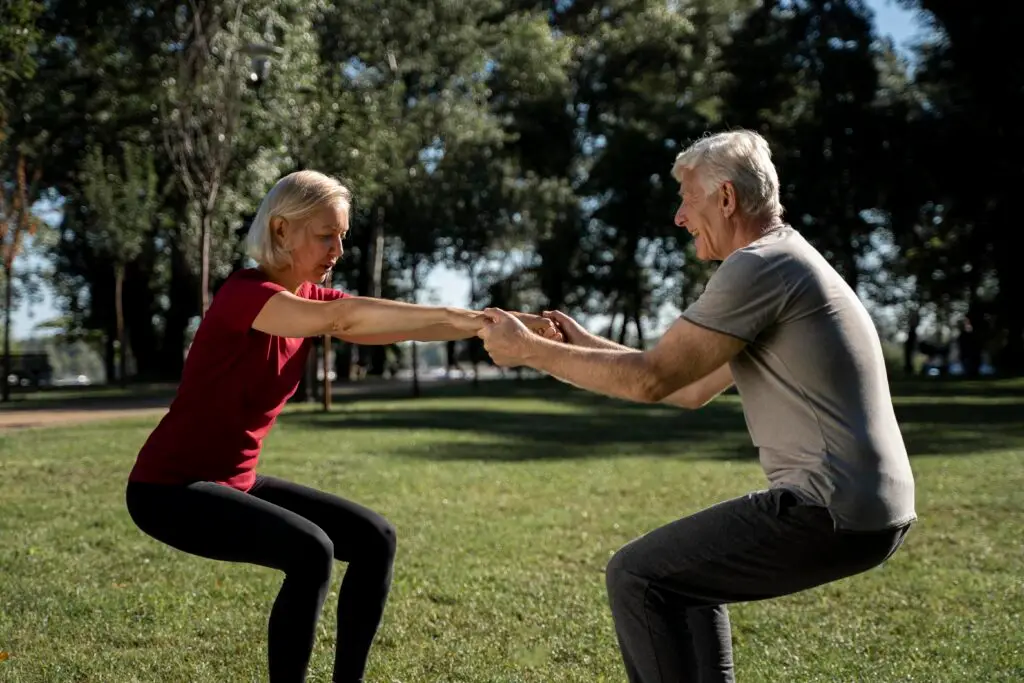
Ageing is a natural process, but growing older does not mean giving up strength, independence, or an active lifestyle. As people age, muscle mass, bone density, balance, and physical endurance can gradually decline. These changes may make everyday activities such as climbing stairs, carrying groceries, getting up from a chair, or walking outdoors more challenging. […]
A Complete Guide to Fall Prevention at Home for Ageing Parents
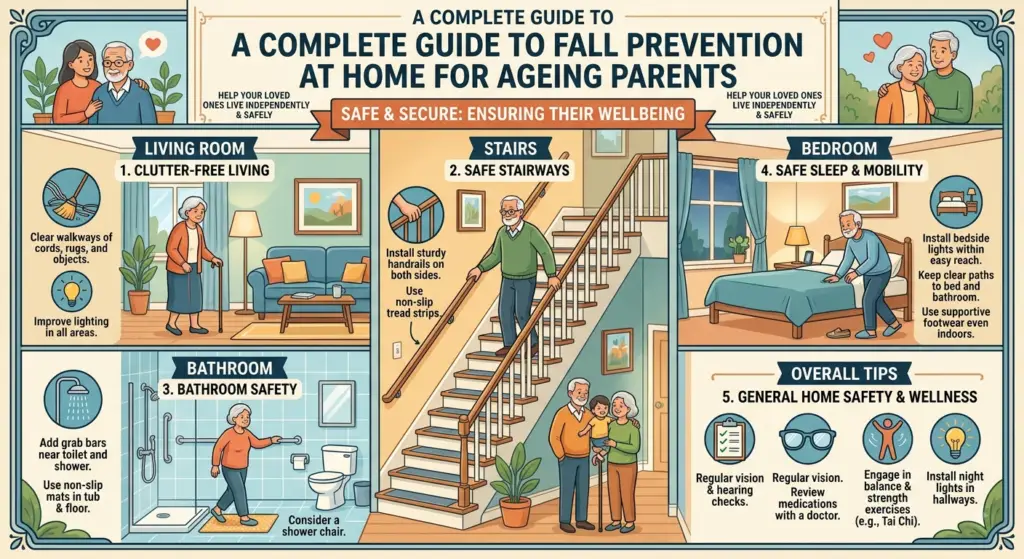
As parents grow older, changes in balance, vision, muscle strength, mobility, and medication use can increase the risk of falls. Falls may lead to injuries, reduced confidence, or loss of independence. However, many household falls can be prevented through simple home modifications, regular health monitoring, and appropriate support, helping older adults remain safer and independent. […]
Top 7 Benefits of Retirement Communities
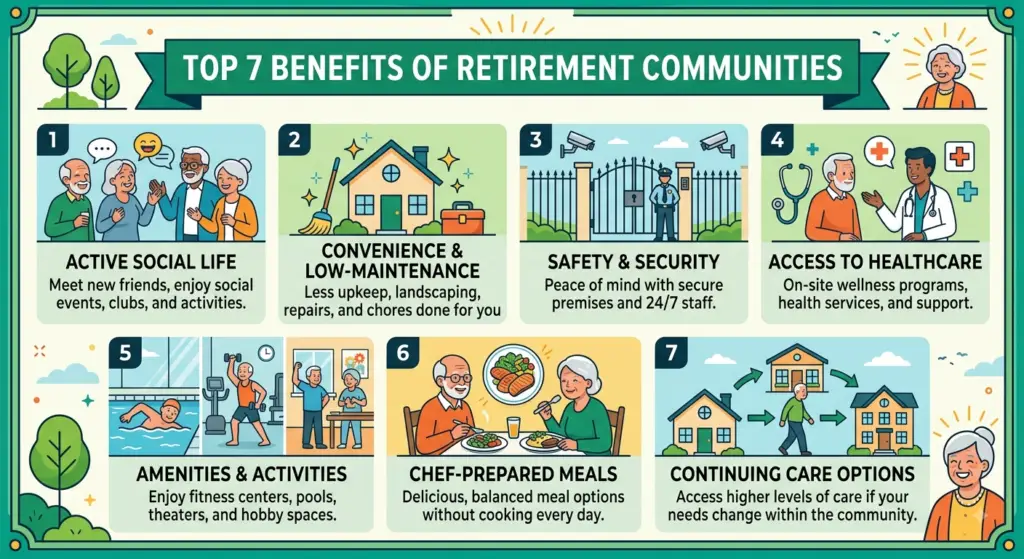
Retirement can mark a meaningful new stage of life, offering older adults more time for personal interests, relationships, health, and community participation. However, adjusting to changes in routine, social roles, and living arrangements can be challenging. Retirement communities can support this transition by promoting independence while providing social activities, practical assistance, and opportunities for connection, […]
Care Begins with the Community: Building a Culture of Dignified Ageing
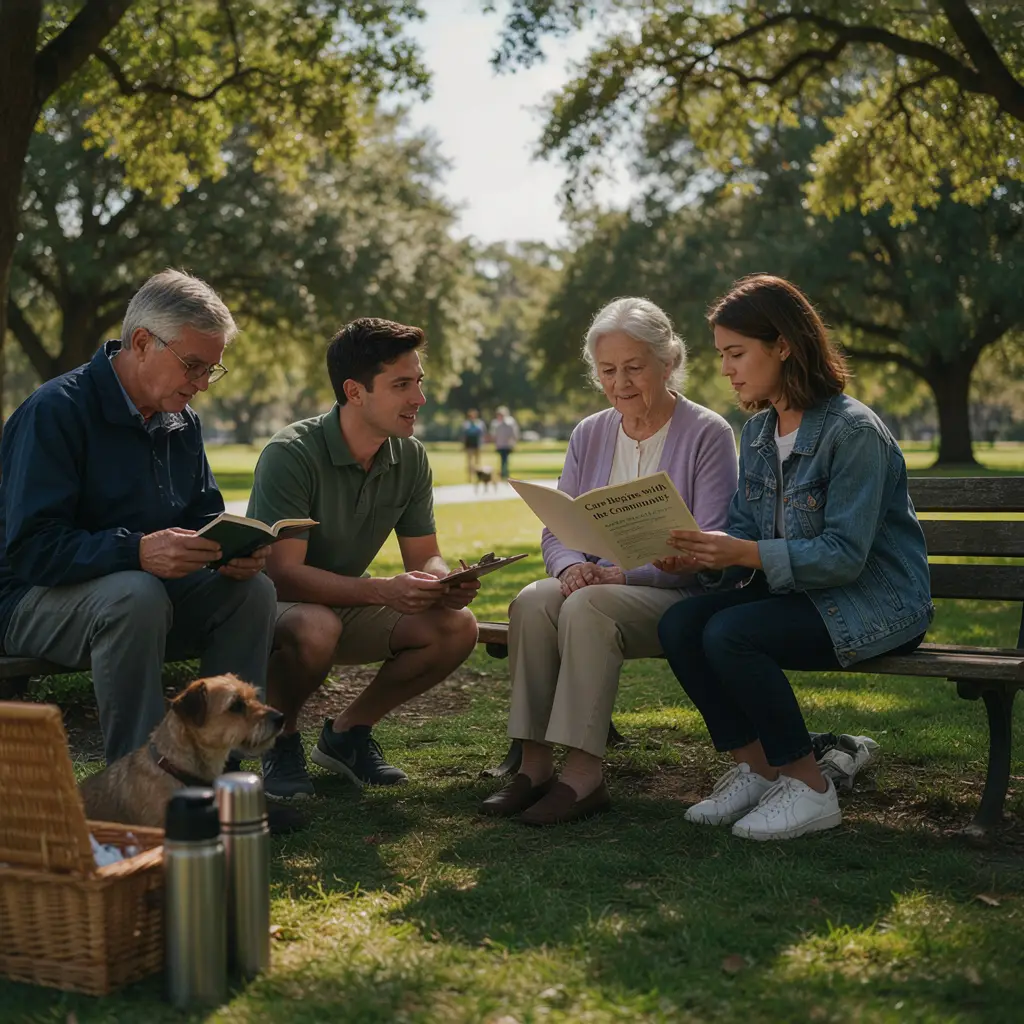
Aging is a social experience influenced by family ties, communities, healthcare systems, financial stability, and chances for meaningful engagement rather than just a biological process. As people live longer, the question is no longer only how to add years to life, but how to ensure that those years are healthy, connected, safe, and dignified. India […]
Managing the Confluence of Disability and Age: Policy Obstacles in India
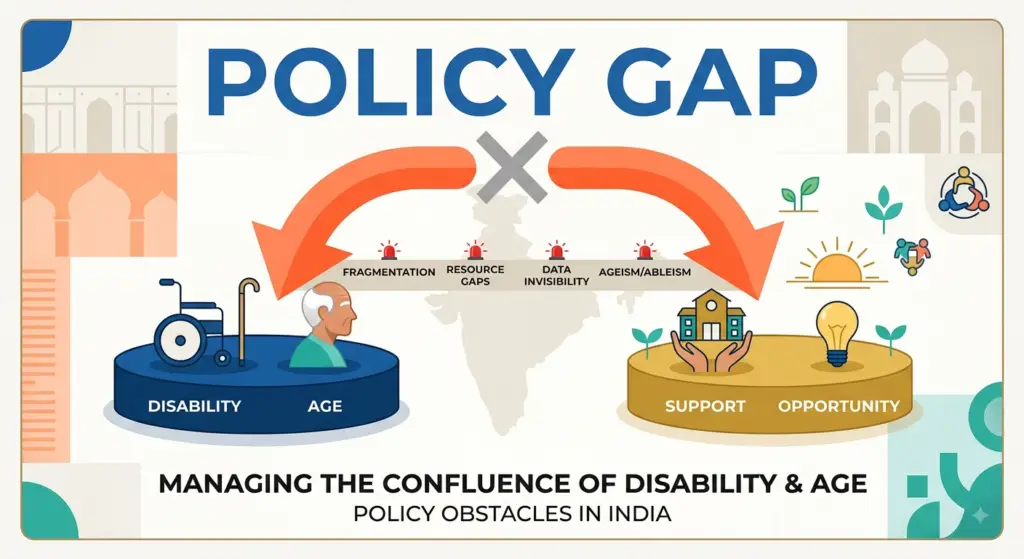
Ageing with a disability can create challenges in mobility, healthcare, social participation, finances, and family support. In India, gaps in accessibility, awareness, and policy implementation continue to affect older adults. Inclusive support should address these overlapping needs with dignity and flexibility. Understanding the Intersection Disability and ageing can overlap in different ways, creating varied support […]
The Care That Walks With You

Care is often associated with illness or dependence, but meaningful care can also be a continuous source of support throughout life. As people age, changes in health, mobility, social roles, and emotional needs may arise. Dependable care can help them navigate these transitions while preserving dignity, independence, and choice. It is not just about assistance […]
Viksit Bharat: Society for all Ages?
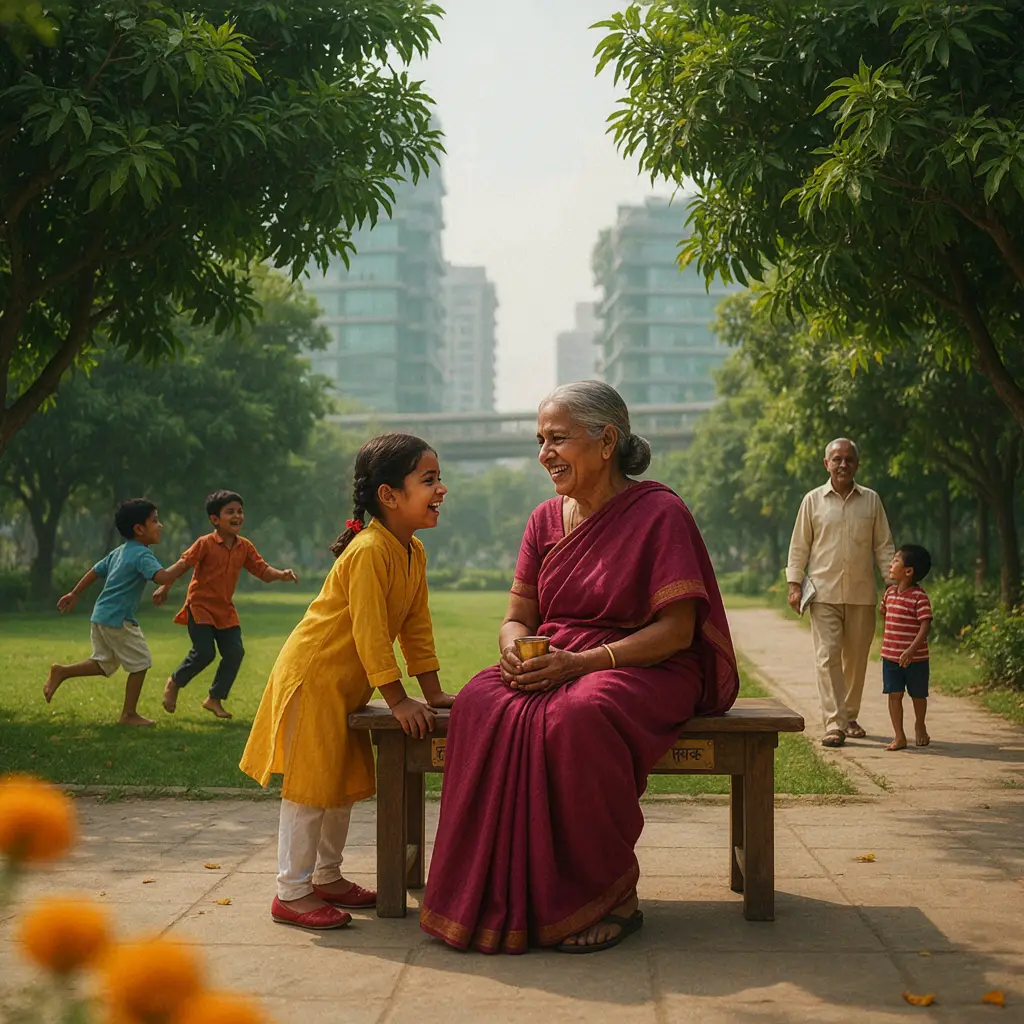
The vision of Viksit Bharat is often discussed through economic growth, infrastructure, technology, employment, and innovation. Yet, a developed nation is not defined only by its economic indicators. It is also shaped by how effectively it enables people of different ages to live with dignity, participate in society, remain healthy, and contribute meaningfully. As India […]
After the Floodwaters Receded, the Stories Remained

When floodwaters rise, survival becomes the immediate priority. People search for safety, protect loved ones, secure food and shelter, and try to save whatever possessions they can. Yet when the water recedes, the crisis does not necessarily end. Homes may remain damaged, livelihoods disrupted, schools may be closed, and communities may face uncertainty about what […]
Redefining Winning: Active Ageing Beyond Seventy
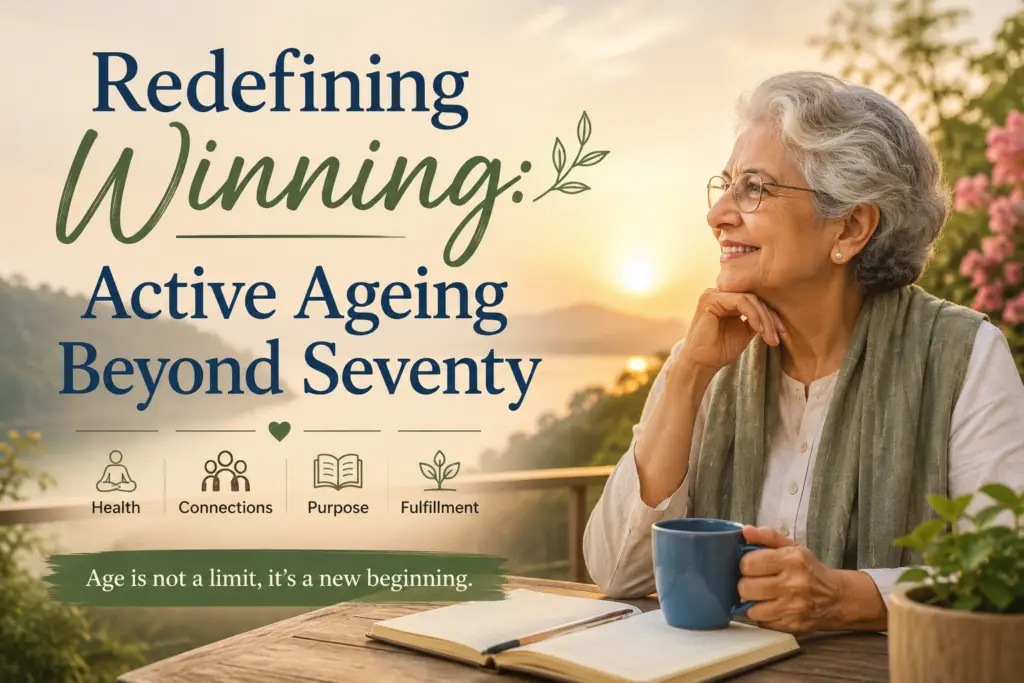
Ageing is more than a number. Life after seventy can continue to involve learning, relationships, activity, creativity, and personal growth. Active ageing focuses on health, independence, connection, and purpose, shifting attention from limitations toward well-being, meaningful engagement, and quality of life. Moving Beyond Traditional Ideas of Success After retirement, traditional measures of success such as […]