
Successful Ageing: Evidence-Based Habits for a Longer, Healthier, and Happier Life

Growing older is a natural part of life, but ageing successfully involves much more than simply living longer. Advances in healthcare, nutrition, and preventive medicine have shown that many aspects of healthy ageing are influenced by everyday lifestyle choices. By adopting evidence-based habits that support physical, cognitive, and emotional well-being, older adults can maintain independence, […]
Emotional Resilience in Later Life: How Older Adults Cope with Stress
Later life is often portrayed as a period of rest, wisdom, and greater freedom. While these experiences may be meaningful, aging can also involve major transitions that require psychological adjustment. Retirement, changes in daily routines, chronic health conditions, reduced independence, financial concerns, caregiving responsibilities, bereavement, and changes in social roles may create emotional challenges. However, […]
The Role of Nutrition in Preventing Cognitive Decline

As people age, maintaining cognitive health becomes an essential part of healthy ageing. While some changes in memory and thinking are a normal part of growing older, significant cognitive decline is not inevitable. Research increasingly highlights the role of proper nutrition in supporting brain function, protecting memory, and reducing the risk of age-related cognitive disorders. […]
Frontotemporal Dementia vs. Vascular Dementia: Understanding the Differences
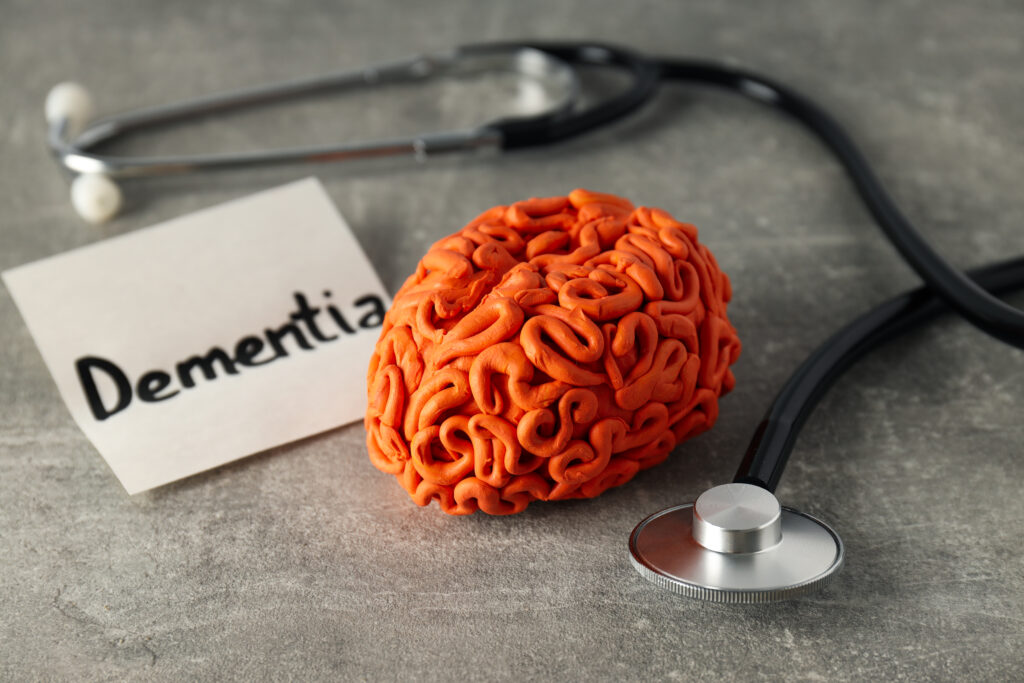
Dementia is a broad term used to describe a decline in cognitive abilities severe enough to interfere with daily life. While Alzheimer’s disease is the most recognized form, Frontotemporal Dementia (FTD) and Vascular Dementia (VaD) are two distinct types that differ in their causes, symptoms, progression, and treatment approaches. Understanding these differences is essential for […]
Mental Health in Adults Over 70: Why It Deserves More Attention
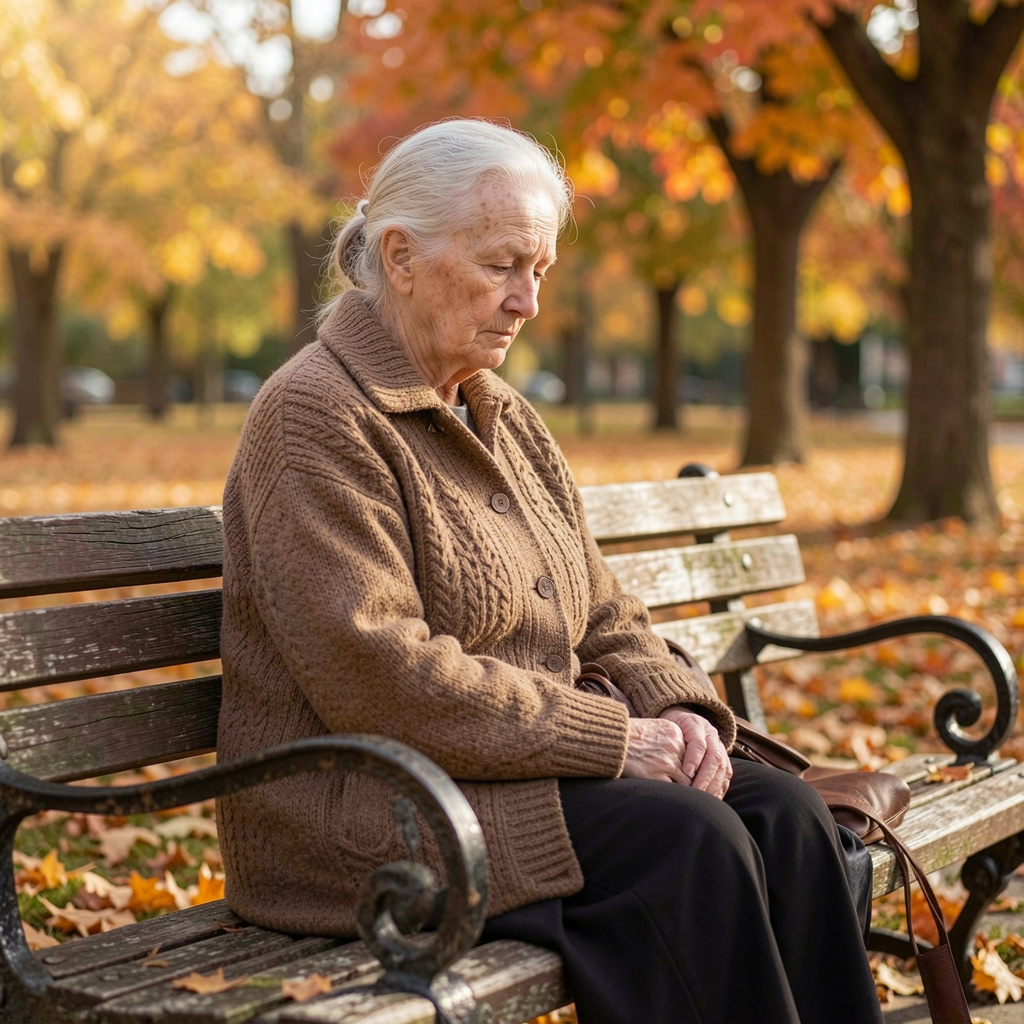
As life expectancy continues to increase, more people are living well into their seventies and beyond. While physical health often receives considerable attention during later life, mental health is frequently overlooked. Emotional well-being is equally important because it influences quality of life, independence, relationships, and overall health. With timely awareness, family support, and appropriate care, […]
Is It Normal for Older Adults to Become More Stubborn or Impulsive?

Older adults bring many physical, emotional, and cognitive changes that can influence the way a person thinks, behaves, and responds to everyday situations. Families often notice that an older loved one who was once flexible and easygoing has become more resistant to change, emotionally reactive, or unexpectedly impulsive. These observations frequently lead to questions such […]
Life After 50 with ADHD: Myths and Realities
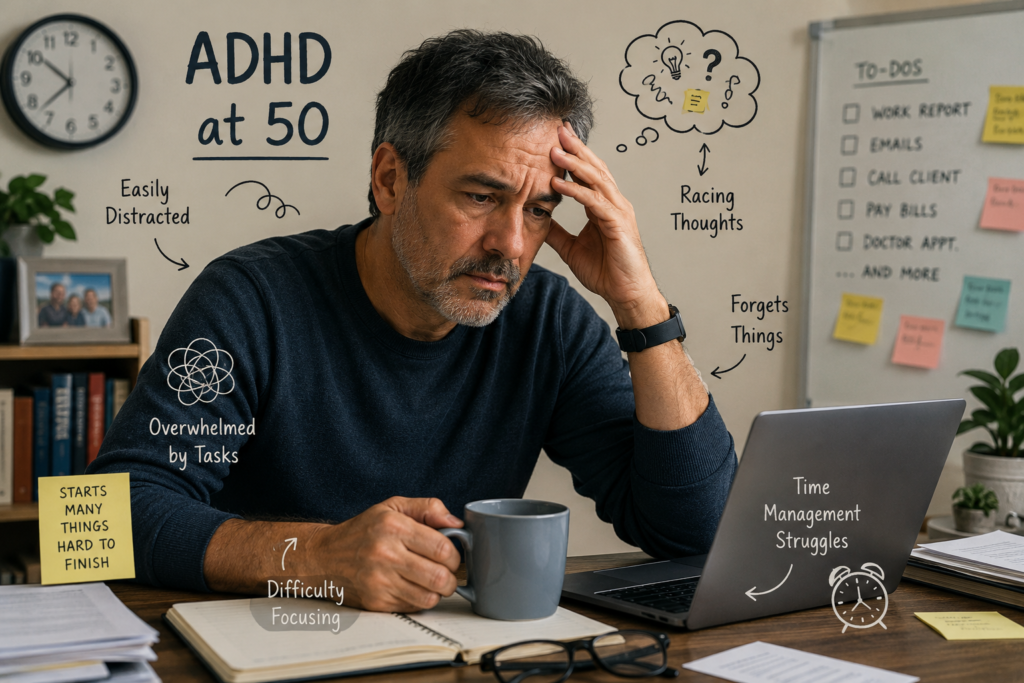
Attention-Deficit/Hyperactivity Disorder (ADHD) is often viewed as a condition that affects only children and young adults. However, many individuals continue to experience its symptoms well into later adulthood, while others remain undiagnosed until after the age of 50. Greater awareness and improved diagnostic practices have helped more older adults understand lifelong challenges that were previously […]
The Impact of Social Media on Elders’ Body Image
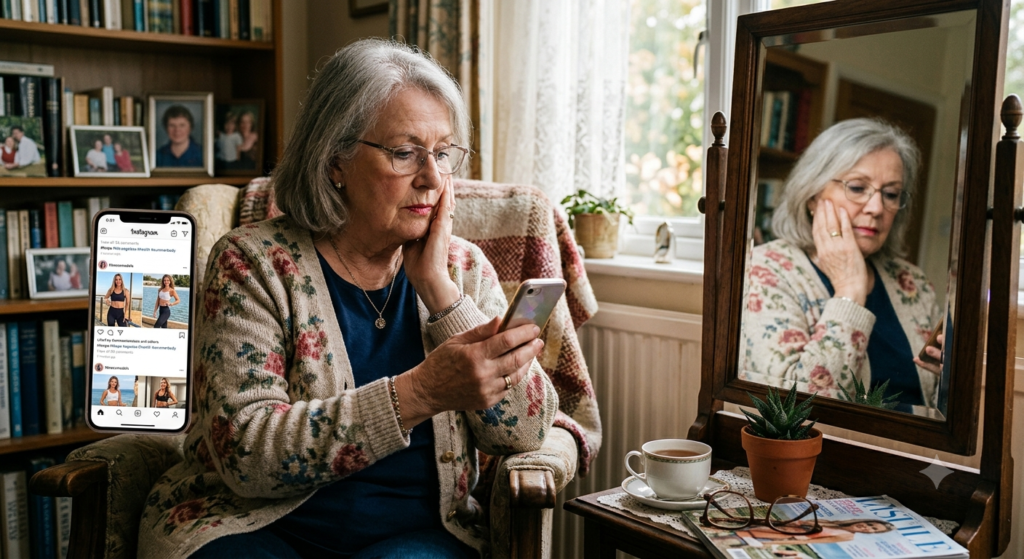
Social media has become an important part of everyday life for people of all ages, including older adults. Many seniors now use digital platforms to stay connected with family, access health information, and engage with online communities. While these platforms offer several benefits, they can also expose older adults to unrealistic beauty standards, age-related stereotypes, […]
How Hobbies & Lifelong Learning Improve Mental Health in Old Age

Growing older is often associated with retirement, physical changes, and shifting family responsibilities. However, aging also presents an opportunity to discover new passions, strengthen existing interests, and continue learning. Engaging in hobbies and lifelong learning is far more than a way to pass time; it is a powerful strategy for preserving mental health, enhancing emotional […]
Retirement & Identity: Finding Purpose After Leaving the Workforce

Many people view retirement as just compensation for decades of arduous labor. While many people look forward to having more free time, the transition from a structured career to retired life can also bring unexpected emotional and psychological challenges. For many individuals, work is more than just a source of income; it provides routine, social […]