
Learning to Live Alone After Years of Togetherness
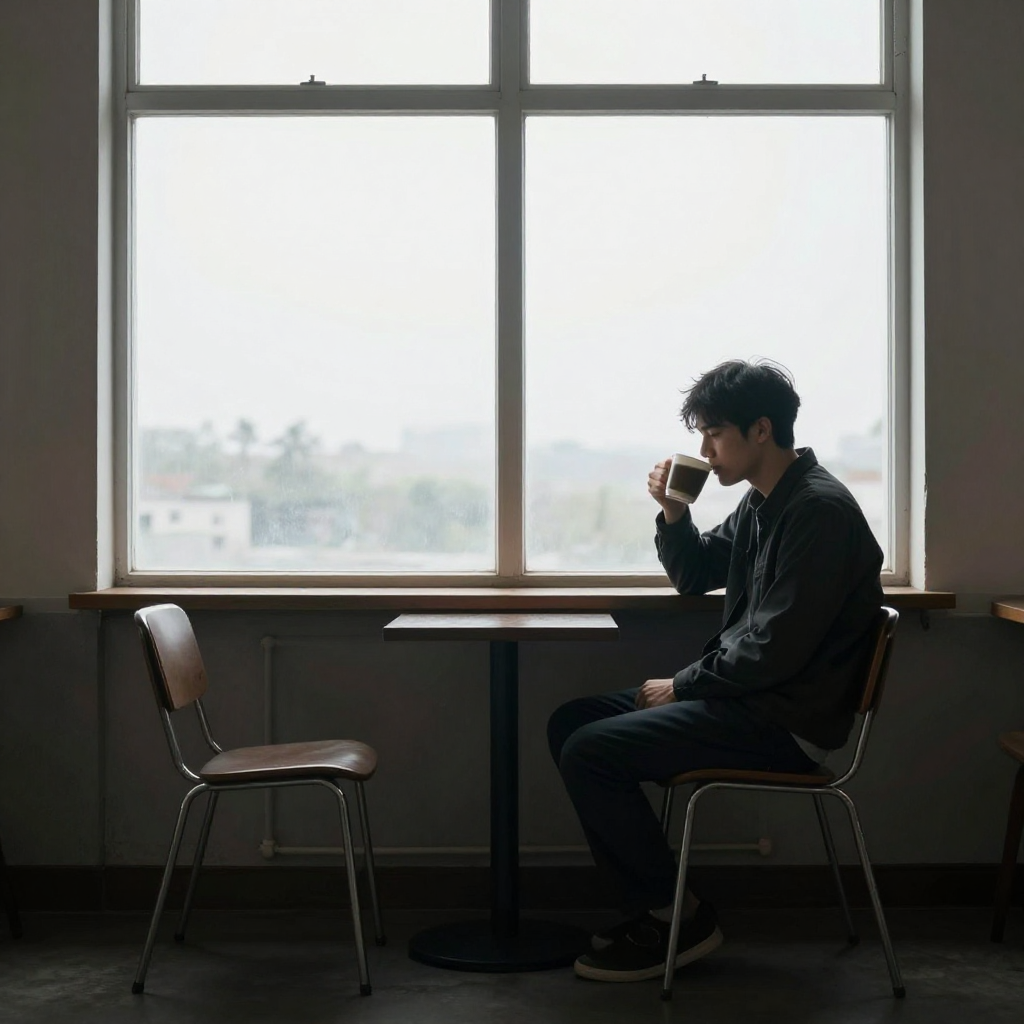
For many people, togetherness becomes a way of life. Whether it is a long-term marriage, a close family arrangement, or years spent caring for loved ones, sharing daily routines creates a sense of familiarity and emotional security. When circumstances change, children move away, a relationship ends, or a partner passes away, living alone can feel […]
Feeling Neglected or Burdensome After Loss

One of the most profound things a person may go through is loss. Whether it involves the death of a loved one, the end of a meaningful relationship, retirement, or a significant life change, loss can create a deep emotional void. Alongside sadness and grief, many individuals experience feelings of being neglected, unwanted, or burdensome […]
Role of In-Laws & Extended Family in Elder Conflicts

As people age, family relationships often become more complex. Older adults depend on family members for emotional support, companionship, healthcare decisions, and financial assistance. While family can be a source of comfort and security, it can also become a source of tension. One significant aspect of family dynamics involves the role of in-laws and extended […]
The Role of Mindfulness in Stress Management

Stress has become an inevitable aspect of contemporary life. Whether it stems from work responsibilities, academic pressure, financial concerns, family obligations, or social expectations, prolonged stress can negatively impact both physical and psychological well-being. In recent years, mindfulness has emerged as one of the most effective and accessible tools for managing stress. Rooted in ancient […]
Inclusive Education Practices for Students on the Spectrum
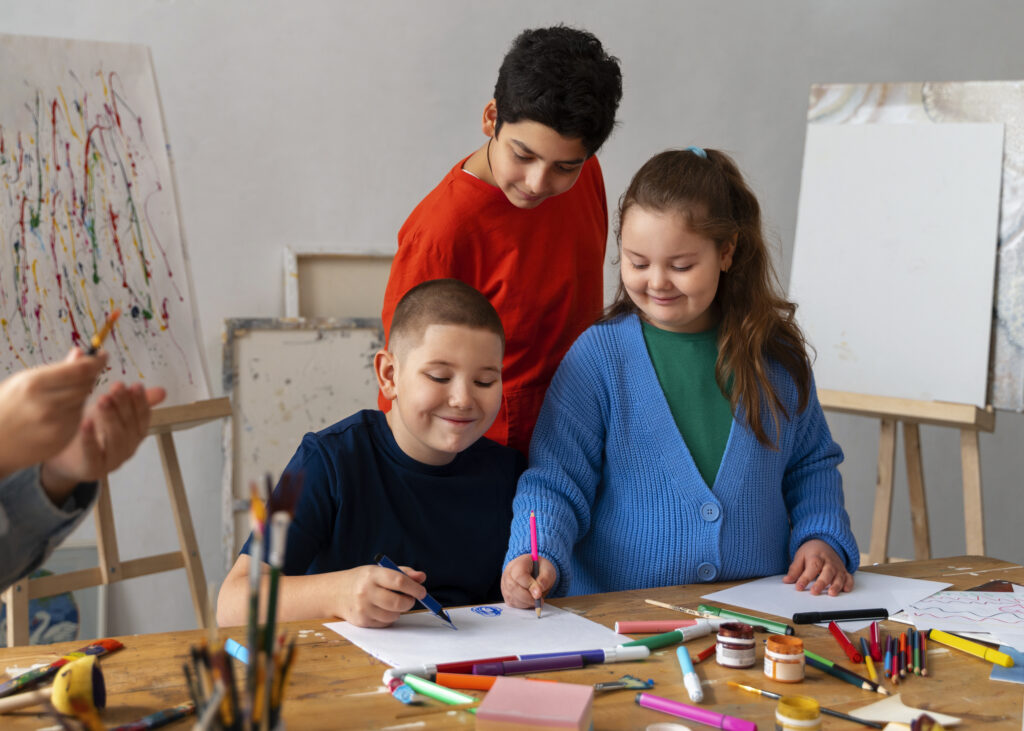
Inclusive education focuses on creating learning environments where every child, regardless of their abilities, backgrounds, or differences, feels valued, respected, and supported. For students on the autism spectrum, inclusive classrooms go beyond mere physical placement in a general education setting; they emphasise meaningful participation, engagement, and a sense of belonging. This approach involves adapting teaching […]
ADHD and Procrastination: Understanding the Pattern

Procrastination is often misunderstood as laziness or a lack of discipline, but for many individuals, it reflects deeper cognitive, emotional, and psychological challenges. People who struggle with chronic procrastination frequently experience difficulty initiating tasks, maintaining concentration, regulating emotions, and managing competing responsibilities effectively. These struggles are especially common among individuals dealing with stress, anxiety, ADHD, […]
The Silent Crisis of Abandonment

In today’s fast-paced and hyperconnected world, a paradoxical emotional crisis is quietly unfolding abandonment. While people are more digitally connected than ever before, many are experiencing deep emotional disconnection, loneliness, and feelings of being left behind. This silent crisis of abandonment is not always visible, yet it significantly impacts mental health, relationships, and overall well-being. […]
Is Independence Making Us Lonelier?

In today’s fast-paced and individualistic world, independence is often celebrated as a hallmark of success and maturity. From living alone in urban apartments to pursuing personal goals without familial constraints, modern society encourages autonomy like never before. But beneath this empowering narrative lies an uncomfortable question: Is our growing independence making us lonelier? This paradox […]
Grassroots Impact: How Local NGOs Are Changing Lives
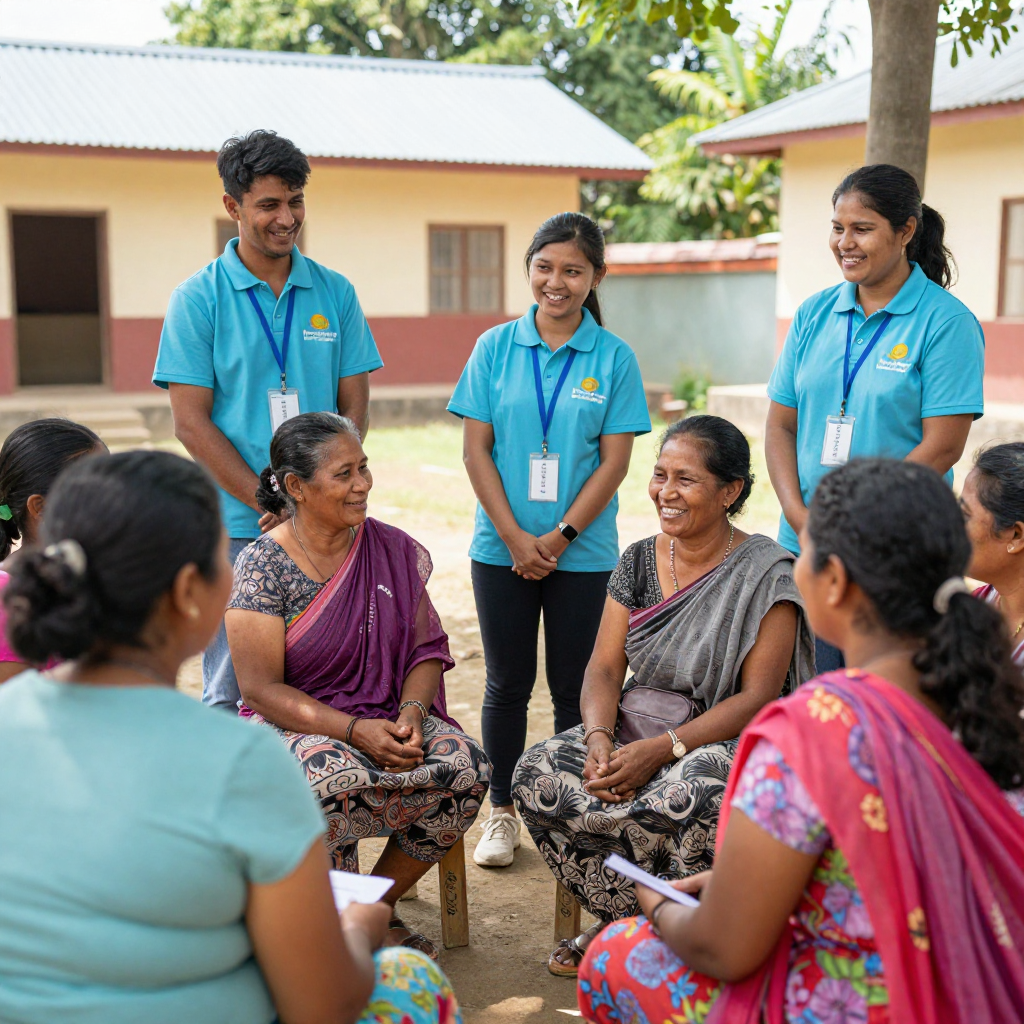
In a world often driven by large-scale policies and global agendas, real and lasting change frequently begins at the grassroots level. Local non-governmental organisations (NGOs) play a vital role in addressing community-specific challenges, offering targeted solutions that are both accessible and sustainable. These organisations work closely with individuals and families, creating meaningful change in areas […]
Is It Okay to Seek Companionship Again?

Life does not stop after heartbreak, separation, divorce, or the loss of a loved one. Yet many people hesitate to open their hearts again because of fear, guilt, or societal judgment. Seeking companionship after emotional pain is often viewed with hesitation, especially in cultures where emotional healing is expected to happen silently. However, human beings […]