
Guilt and Caregiving: Why You Feel It and How to Let It Go

You set an alarm for the next medication round, cancel plans again, and still lie awake wondering if you did enough. If that sounds familiar, you’re not alone. Guilt is one of the most common emotions among people who care for a parent, partner, or child, yet it rarely gets discussed. This guide explains why […]
How Mindfulness Can Improve Mental Health

Mental health is an essential part of overall well-being, yet the demands of work, academics, family responsibilities, and modern life often leave people feeling emotionally overwhelmed. One evidence-based practice that has gained widespread recognition is mindfulness. By encouraging individuals to focus on the present moment with acceptance rather than judgment, mindfulness helps strengthen emotional resilience, […]
How Therapy Helps You Develop Better Coping Skills

Life presents everyone with challenges, from personal setbacks and workplace demands to health concerns and family responsibilities. While some individuals adapt effectively to these situations, others may struggle to manage overwhelming emotions or persistent difficulties. The difference often lies not in the problems themselves, but in the coping skills people use to respond to them. […]
When Should Parents Consider Child Counselling?

Every child experiences emotional ups and downs as they grow. From adjusting to school routines to making friends and coping with family changes, children encounter many challenges that shape their emotional development. While occasional mood swings, fears, or behavioral changes are a normal part of childhood, some difficulties persist long enough to interfere with a […]
Why Healthy Communication Is the Foundation of Strong Relationships

Relationships thrive on trust, respect, understanding, and emotional security. While love often brings two people together, it is healthy communication that helps relationships grow and endure life’s inevitable challenges. Whether it is a partnership, marriage, friendship, or family bond, the ability to express thoughts honestly and listen with empathy forms the backbone of meaningful connections. […]
How Families Can Support Social Engagement in Older Adults

Growing older is a natural part of life, but ageing often brings significant emotional and social changes. Retirement, declining physical health, the loss of loved ones, and reduced mobility can increase feelings of loneliness and isolation among older adults. While healthcare professionals play an important role in supporting seniors, families remain the strongest source of […]
Helping Seniors Stay Socially Connected

Growing older brings many life changes, including retirement, physical health challenges, the loss of loved ones, and children moving away. While these transitions are natural, they can sometimes lead to reduced social interaction and feelings of loneliness. Social connection is not merely about having people around; it is about feeling valued, heard, and included. Maintaining […]
Digital Literacy for Older Adults: Building Confidence in a Technology-Driven World

Technology has become an integral part of daily life, influencing how people communicate, access healthcare, manage finances, and participate in society. While younger generations often adapt quickly to technological changes, many older adults face challenges when using digital devices and online services. Developing digital literacy among seniors is no longer a luxury; it is a […]
Loneliness & Social Isolation in Older Adults: Causes, Effects, and Solutions

Growing older brings many life changes, including retirement, health concerns, changes in family structure, and the loss of loved ones. While many older adults continue to lead active and fulfilling lives, others experience reduced social contact and emotional disconnection. These experiences can significantly affect overall well-being if left unaddressed. Although spending time alone can sometimes […]
Support Groups & Therapy for Elderly Grief
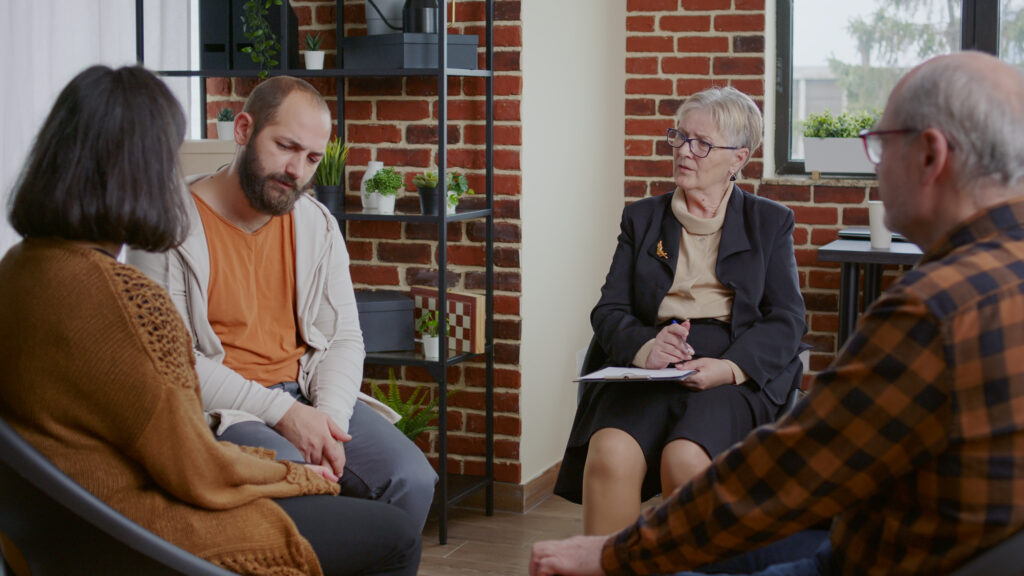
Grief is a natural response to loss, but for older adults, it can become particularly challenging. As people age, they may face multiple losses, including the death of a spouse, close friends, siblings, or even a sense of independence due to health changes. These encounters can cause severe emotional suffering that has an impact on […]