
Acceptance vs. Change: What Should You Choose?

In life, we constantly face situations that challenge our sense of control—unexpected losses, relationship conflicts, career uncertainties, or personal struggles. In such moments, a common dilemma arises: should we accept things as they are, or should we try to change them? This question is not just philosophical; it directly impacts our emotional well-being, decision-making, and […]
The Emotional Cost of Financial Dependence in Old Age

Financial dependence in later life is often discussed in practical terms, but its emotional impact is rarely given equal attention. For many older adults, the shift from financial independence to reliance on others is not just a change in circumstance; it is a deeply personal transition that can affect identity, confidence, and emotional well-being. While […]
Coping with Emptiness & Silence After Loss

Loss is an inevitable part of life, yet it is one of the most emotionally overwhelming experiences an individual can face. Whether it is the loss of a spouse, a close friend, or a family member, the impact can be profound, especially in old age. Years of shared memories, routines, and emotional bonds suddenly give […]
Can Therapy Help Couples in Their Later Years?
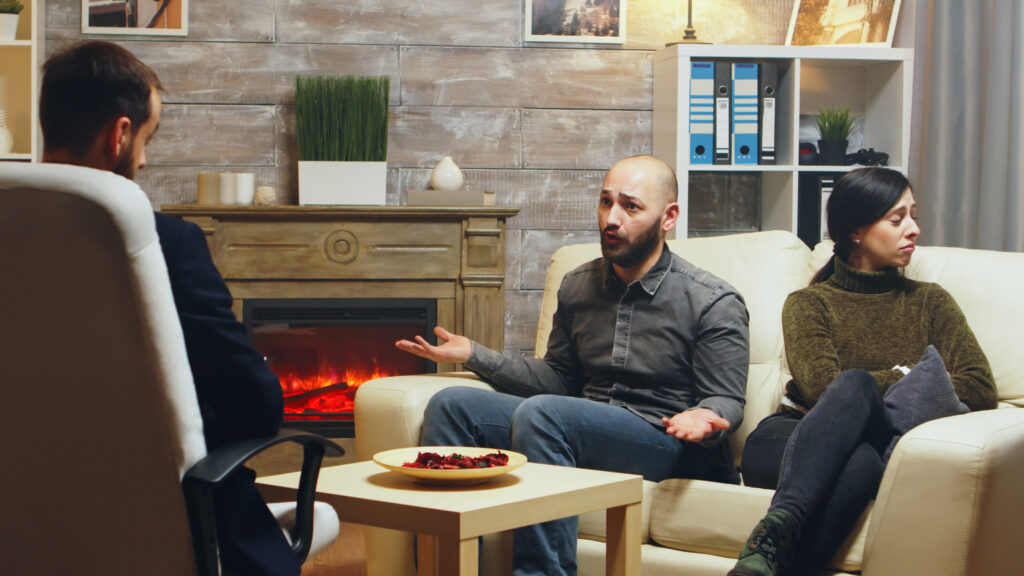
Aging brings significant changes in life, especially within relationships. For couples in their later years, the journey can be both rewarding and challenging. After decades of shared experiences, responsibilities, and transitions, relationships may face emotional distance, communication gaps, or unresolved conflicts. This raises an important question: can couples therapy truly help couples in their later […]
Emotional Dependency and Adjustment Challenges

Human relationships are built on connection, care, and interdependence. However, when emotional reliance on others becomes excessive, it can lead to emotional dependency. This pattern often creates challenges in adapting to change, managing stress, and maintaining a stable sense of self. Emotional dependency is not always obvious. It may appear as a constant need for […]
Why Loneliness Feels Stronger in Old Age
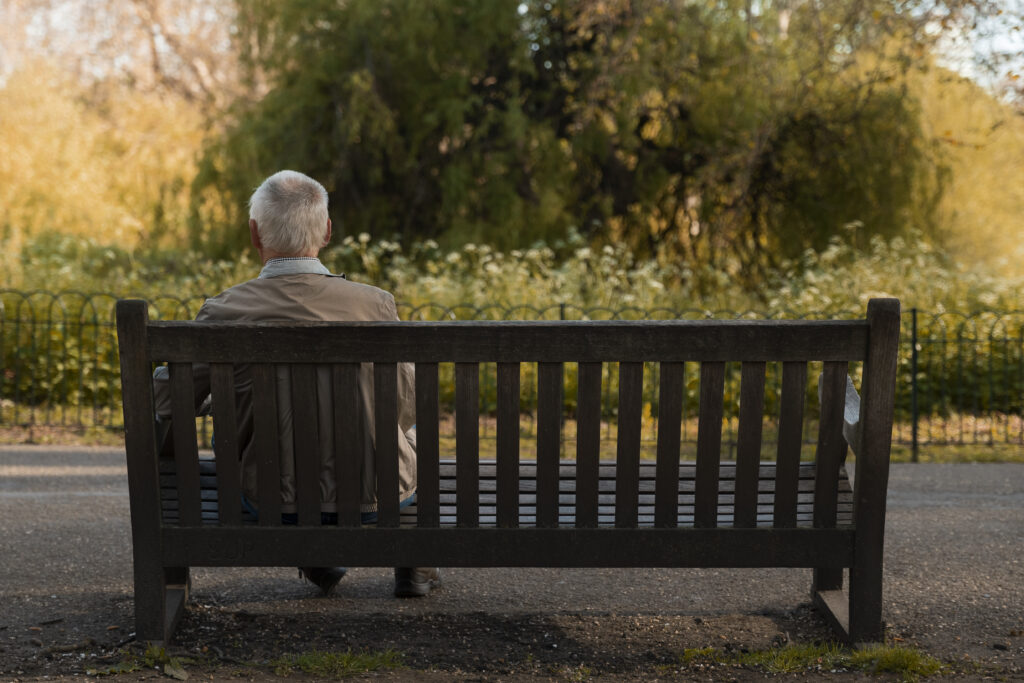
Loneliness in older adulthood is often misunderstood as simply being alone. In reality, it is a deeper emotional experience shaped by loss, change, and shifting social roles. Many older adults may be surrounded by people and still feel a sense of disconnection that is difficult to explain. As life slows down and familiar routines change, […]
Financial Stress & Dependency Issues in Old Age Marriage

A marriage in later life often carries a different emotional and practical meaning compared to earlier years. After decades of shared responsibilities, raising children, and managing careers, couples enter a phase where retirement, health concerns, and financial limitations reshape their daily lives. While this stage can bring companionship and stability, it can also introduce significant […]
Preventing Falls & Maintaining Emotional Security in Older Adults

Aging is a natural and inevitable phase of life that brings both opportunities for reflection and challenges that require attention. Among the most significant concerns for older adults are the risks of falls and the growing need for emotional security. These issues are closely linked, as physical instability often leads to fear, while emotional distress […]
Identifying Early Warning Signs of Emotional Burnout After Retirement

Retirement is often seen as a long-awaited phase of relaxation, freedom, and personal fulfilment. After years of structured routines and responsibilities, stepping away from professional life can feel liberating. However, for many individuals, this transition also brings unexpected emotional challenges. The sudden shift in identity, daily structure, and social engagement can create a sense of […]
The Science of Healthy Sleep and Why It Matters

Sleep is not merely a period of rest; it is a vital biological process that supports overall health and well-being. During sleep, the body undergoes critical functions such as tissue repair, hormone regulation, and memory consolidation. The brain remains highly active, organising information and processing emotional experiences. Healthy sleep is essential for maintaining physical vitality, […]