
Cyberbullying Among School Students: Prevention & Intervention

Technology has transformed the way children and adolescents communicate, learn, and build friendships. Smartphones, social media platforms, messaging applications, and online gaming have created opportunities for students to stay connected beyond the classroom. While these digital spaces offer many educational and social benefits, they have also introduced new challenges that can negatively affect young people’s […]
What Difficulties Do People with Disabilities Face?

People with disabilities are an essential part of every society, yet many continue to face significant barriers that limit their participation in education, employment, healthcare, and community life. According to the World Health Organization, over one billion people worldwide live with some form of disability, making accessibility and inclusion global priorities. Disability may be physical, […]
When Is Divorce the Right Choice in Old Age?

Marriage is often viewed as a lifelong commitment, especially among older generations. After decades of shared memories, raising children, building careers, and facing life’s challenges together, the idea of divorce in old age may seem unimaginable. However, an increasing number of older couples are choosing to separate, a phenomenon commonly referred to as “gray divorce.” […]
Confidence Loss Due to Forgetfulness in Aging

Aging is a natural part of life, bringing wisdom, experience, and emotional maturity. However, it also comes with certain physical and cognitive changes that can sometimes affect an individual’s confidence and emotional well-being. One common concern among older adults is forgetfulness. Misplacing objects, forgetting names, struggling to recall appointments, or repeating conversations can gradually create […]
Parenting in 2026: Balancing Discipline & Emotional Support

The role of families has evolved dramatically in recent years. In 2026, raising children is no longer limited to ensuring academic success or enforcing rules at home. Parents today are navigating a world shaped by digital exposure, social media influence, changing educational expectations, emotional awareness, and growing mental health conversations. Children are becoming more expressive, […]
Role of In-Laws & Extended Family in Elder Conflicts

As people age, family relationships often become more complex. Older adults depend on family members for emotional support, companionship, healthcare decisions, and financial assistance. While family can be a source of comfort and security, it can also become a source of tension. One significant aspect of family dynamics involves the role of in-laws and extended […]
The Impact of AI Tools on Children’s Learning & Attention Span
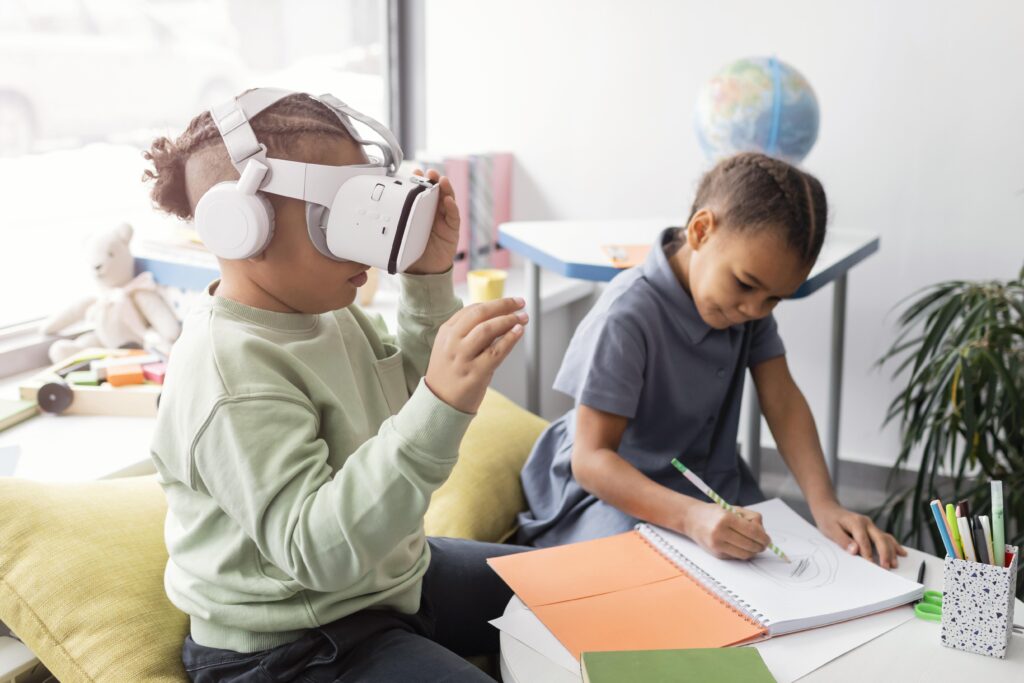
Technology has become an integral part of children’s daily lives, influencing how they learn, communicate, and interact with the world around them. Among recent technological advancements, artificial intelligence (AI) tools have gained significant attention in educational settings. From AI-powered learning platforms to virtual assistants and personalised educational applications, these tools are reshaping the learning experience […]
The Role of Mindfulness in Stress Management

Stress has become an inevitable aspect of contemporary life. Whether it stems from work responsibilities, academic pressure, financial concerns, family obligations, or social expectations, prolonged stress can negatively impact both physical and psychological well-being. In recent years, mindfulness has emerged as one of the most effective and accessible tools for managing stress. Rooted in ancient […]
Late-Onset Schizophrenia: When Psychosis Appears After 60

Mental health conditions in older adulthood are often misunderstood or overlooked. Among these conditions, schizophrenia that develops after the age of 60 presents unique emotional, social, and medical challenges. Late-onset psychosis may include hallucinations, suspicious thoughts, confusion, or withdrawal from social interaction. Because these symptoms can resemble dementia or neurological disorders, diagnosis is often delayed. […]
Why Do Marital Conflicts Increase in Old Age?

Marriage is often imagined as becoming calmer and more peaceful with age. Many people believe that couples naturally get closer and more understanding after retiring, having children, and spending decades together. But reality can be more nuanced. For many elderly couples, marital conflicts actually increase in old age. Long-standing unresolved issues, health concerns, financial dependency, […]