
Bone Health & Confidence in Mobility for Seniors

As individuals age, maintaining strong bones and confident mobility becomes essential for preserving independence and overall quality of life. Bone health is not just about preventing fractures; it is closely linked to balance, strength, and the ability to perform daily activities with ease. Many seniors experience a gradual decline in bone density and muscle strength, […]
Memory Decline and Self-Esteem in Older Adults

Aging is a natural process that brings about several physical, emotional, and cognitive changes. Among these, memory decline is one of the most common concerns experienced by older adults. While occasional forgetfulness is a normal part of aging, persistent memory issues can significantly impact an individual’s confidence, independence, and overall sense of self-worth. Understanding the […]
Transition Planning for Young Adults with Autism

“Growing up is not just about getting older, it’s about finding your place in the world.” For young adults with autism, this journey into adulthood can feel both exciting and overwhelming. The transition from school to independent living, higher education, or employment requires careful planning, emotional support, and structured guidance. Without the right preparation, many […]
Building Resilience in Children
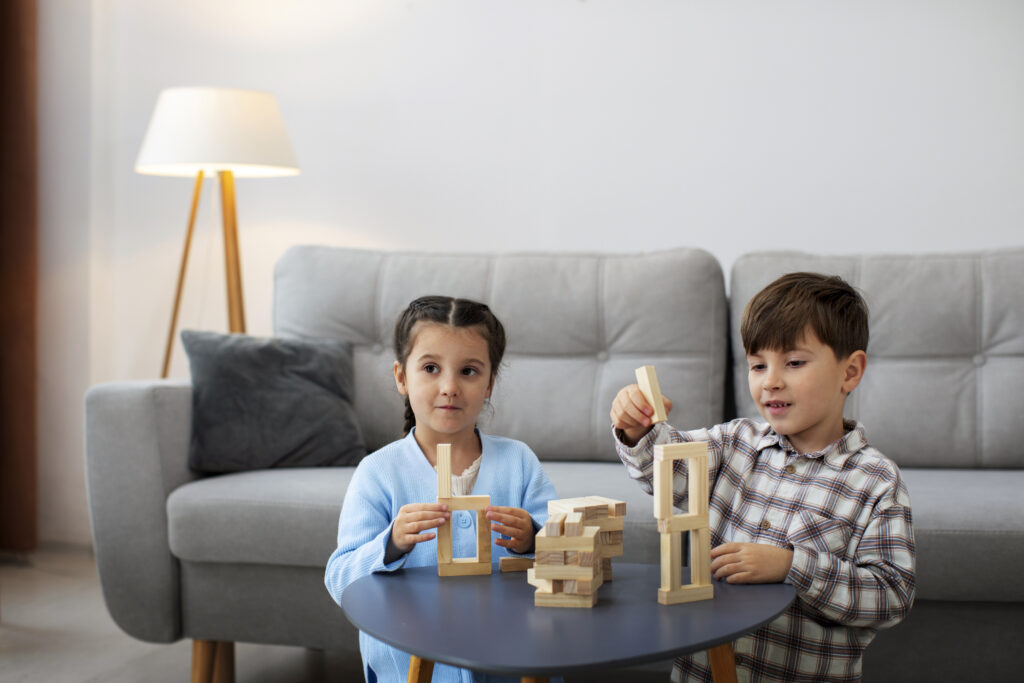
In today’s fast-changing and often unpredictable world, children face numerous challenges that can affect their emotional, social, and psychological well-being. From academic pressure and social conflicts to family changes and digital influences, young minds encounter stressors that may shape their development. One of the most important life skills children can develop is resilience, the ability […]
Social Communication Challenges in Adolescents on the Autism Spectrum
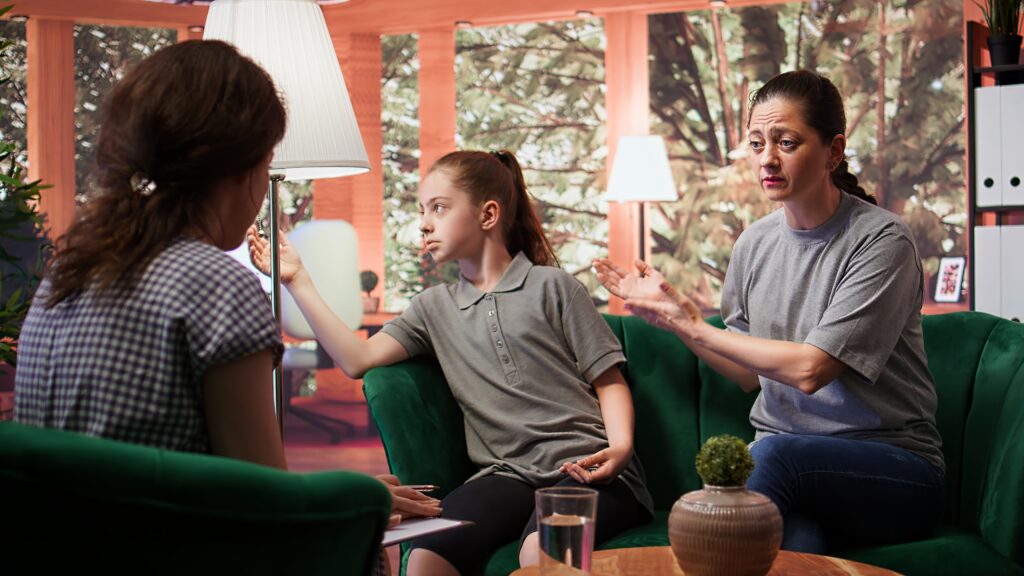
Adolescence is a critical period of social, emotional, and psychological development. It is a time when individuals begin to form deeper friendships, navigate complex social norms, and establish their identity. However, for adolescents on the autism spectrum, this phase can present unique and often overwhelming challenges, particularly in the area of social communication. Autism Spectrum […]
Encouraging Problem-Solving Skills in Kids

In today’s fast-paced and ever-evolving world, children need more than just academic knowledge to thrive; they need strong problem-solving skills. These skills help them analyze situations, make decisions, and handle challenges with confidence. Whether at home, in school, or within structured environments like a child care center, children benefit greatly from opportunities that nurture independent […]
Emotional Adjustment to Empty Nest Syndrome

Empty Nest Syndrome refers to the emotional experience parents go through when their children leave home, whether for education, work, or marriage. While it is a natural life transition, it often brings unexpected feelings of loneliness, loss, and identity shift. For many parents, especially those who have centred their daily lives around caregiving, this change […]
Mental Health Challenges of Schizophrenia in Senior Citizens

Schizophrenia is often associated with younger adults, but it can persist into older age or, in some cases, emerge later in life. In senior citizens, schizophrenia presents unique challenges due to the overlap between age-related changes and psychiatric symptoms. Hallucinations, delusions, disorganised thinking, and social withdrawal may be compounded by declining physical health, cognitive changes, […]
How Does Forgetfulness in Ageing Parents Lead to Family Tension?

Forgetfulness in ageing parents is often dismissed initially as a normal part of growing older. Misplaced items, repeated questions, or missed appointments may seem minor, but over time, these patterns can disrupt daily life. What starts as occasional lapses can gradually influence household routines, communication, and emotional dynamics within the family. For adult children, noticing […]
What Are the Emotional Effects of Mild Memory Loss?

Mild memory loss is a common experience in later adulthood and is often considered a normal part of ageing. It may include forgetting names, misplacing items, or taking longer to recall information. While these changes are usually not severe enough to interfere significantly with daily functioning, they can still have a noticeable impact on an […]