
Loss of Independence in Older Adults: Coping with Emotional Challenges
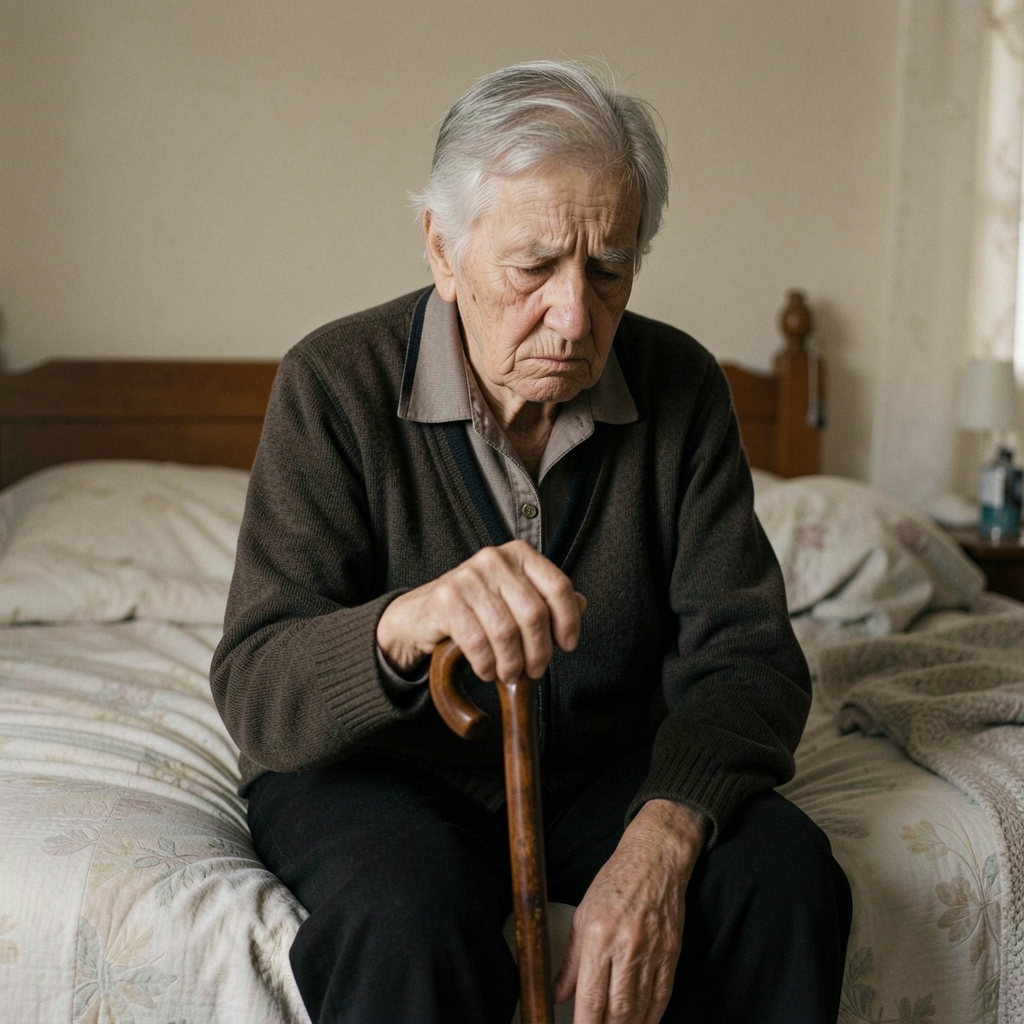
Aging is a journey filled with wisdom, resilience, and life experiences. However, one of the most difficult transitions many older adults face is the gradual loss of independence. Whether it is due to declining physical health, chronic illness, mobility limitations, or cognitive changes, needing assistance with daily activities can be emotionally overwhelming. For many seniors, […]
Anxiety in Older Adults: Common Triggers, Symptoms, & Treatment Options
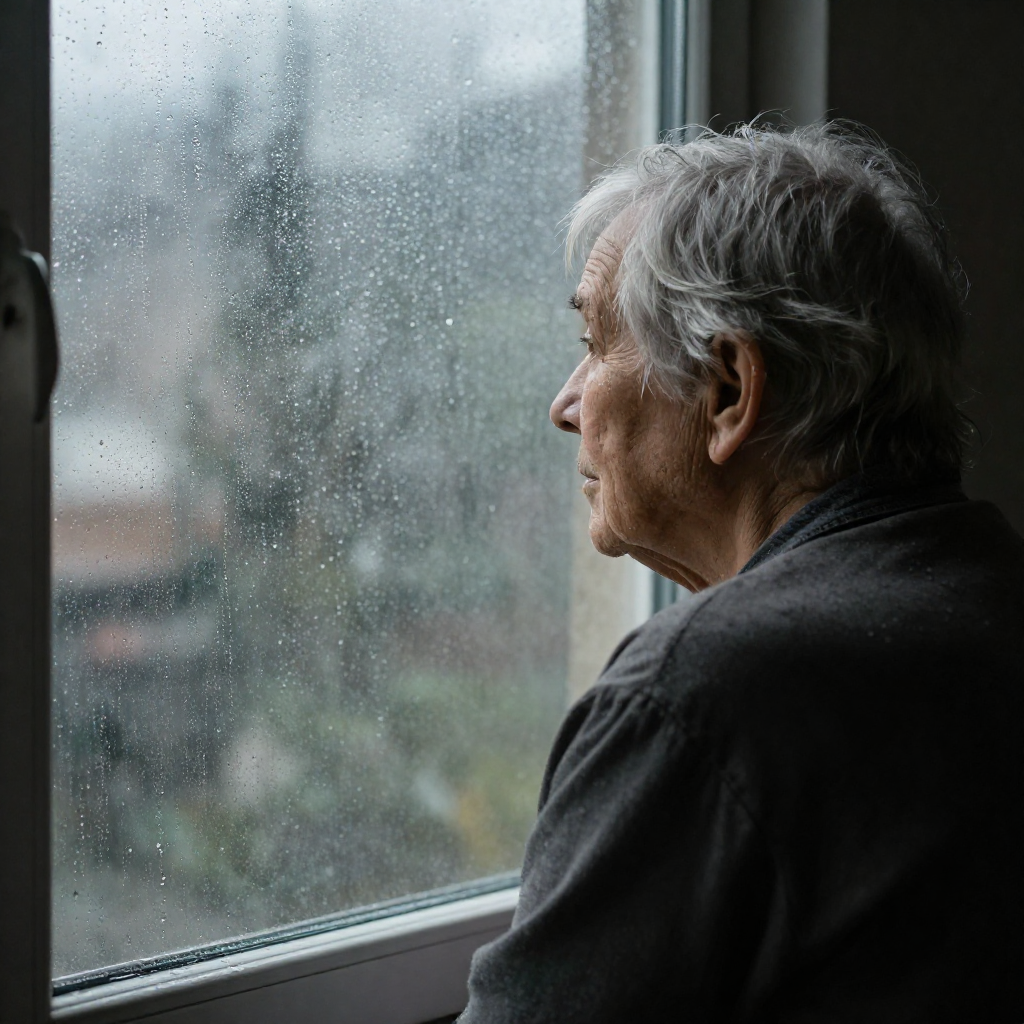
Growing older brings many life transitions, such as retirement, health changes, financial adjustments, and the loss of loved ones, that can affect emotional well-being. While these experiences are a natural part of ageing, they may increase the risk of anxiety and impact an individual’s quality of life. Persistent anxiety or emotional distress should not be […]
Body Image & Self-Esteem in Older Adults: Embracing Aging with Confidence

Growing older is often accompanied by physical, emotional, and social changes. While aging is a natural part of life, many older adults struggle with changes in their appearance, health, and physical abilities. Society frequently celebrates youthfulness, making it easy for seniors to feel that they are becoming less attractive or less valuable. However, true self-confidence […]
Relationship Challenges After Retirement: Strengthening Emotional Bonds

Retirement marks a significant transition in life. After decades of balancing work, family responsibilities, and personal activities, older people often find themselves spending much more time with their spouses. While retirement offers opportunities for relaxation, shared experiences, and personal growth, it also introduces new adjustments that can affect long-term relationships. Changes in daily routines, financial […]
Emotional Dependency vs Healthy Attachment

Relationships play a significant role in emotional well-being, offering companionship, support, and a sense of belonging. However, not every close relationship reflects emotional health. Sometimes, what appears to be deep love or commitment may actually be emotional dependency, where one person relies excessively on another for validation, happiness, or self-worth. In contrast, healthy attachment allows […]
Ageing Gracefully: Overcoming Appearance-Related Anxiety in Later Life

Every stage of ageing brings new experiences, opportunities for personal growth, and valuable wisdom gained through years of living. However, youthful appearance is frequently highly valued in contemporary society, leading to unattainable beauty standards that might affect how people view themselves as they get older. Wrinkles, grey hair, changes in body shape, and reduced physical […]
When Should Parents Consider Child Counselling?

Every child experiences emotional ups and downs as they grow. From adjusting to school routines to making friends and coping with family changes, children encounter many challenges that shape their emotional development. While occasional mood swings, fears, or behavioral changes are a normal part of childhood, some difficulties persist long enough to interfere with a […]
Why Healthy Communication Is the Foundation of Strong Relationships

Relationships thrive on trust, respect, understanding, and emotional security. While love often brings two people together, it is healthy communication that helps relationships grow and endure life’s inevitable challenges. Whether it is a partnership, marriage, friendship, or family bond, the ability to express thoughts honestly and listen with empathy forms the backbone of meaningful connections. […]
How Families Can Support Social Engagement in Older Adults

Growing older is a natural part of life, but ageing often brings significant emotional and social changes. Retirement, declining physical health, the loss of loved ones, and reduced mobility can increase feelings of loneliness and isolation among older adults. While healthcare professionals play an important role in supporting seniors, families remain the strongest source of […]
Helping Seniors Stay Socially Connected
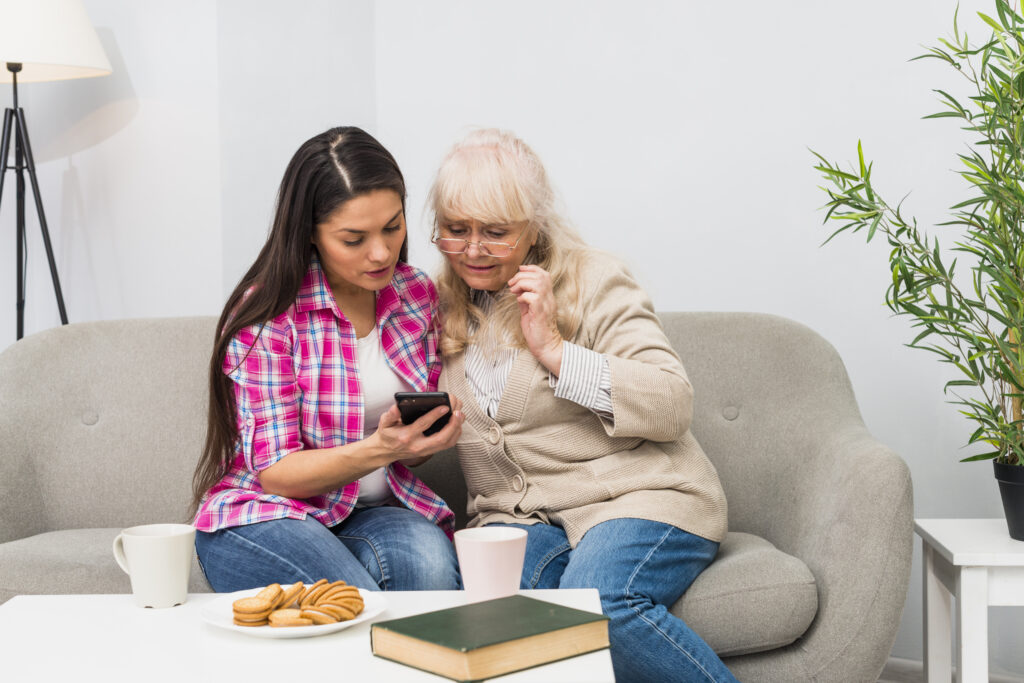
Growing older brings many life changes, including retirement, physical health challenges, the loss of loved ones, and children moving away. While these transitions are natural, they can sometimes lead to reduced social interaction and feelings of loneliness. Social connection is not merely about having people around; it is about feeling valued, heard, and included. Maintaining […]