gdf

Technology & innovation

Innovation should widen participation.

We explore responsible technology and adaptable ideas that help local projects connect, learn and respond to changing community needs.

What this looks like in practice.

01

Responsible technology adoption

02

Digital ideas that support local action

03

Learning and collaboration across partners

04

Innovation grounded in equity and access

“When systems become more just, good ideas have a better chance to reach everyone.”

Key areas of focus

Support that meets real needs.

Technology has value when it makes care, learning, and decision-making more connected without leaving people behind.

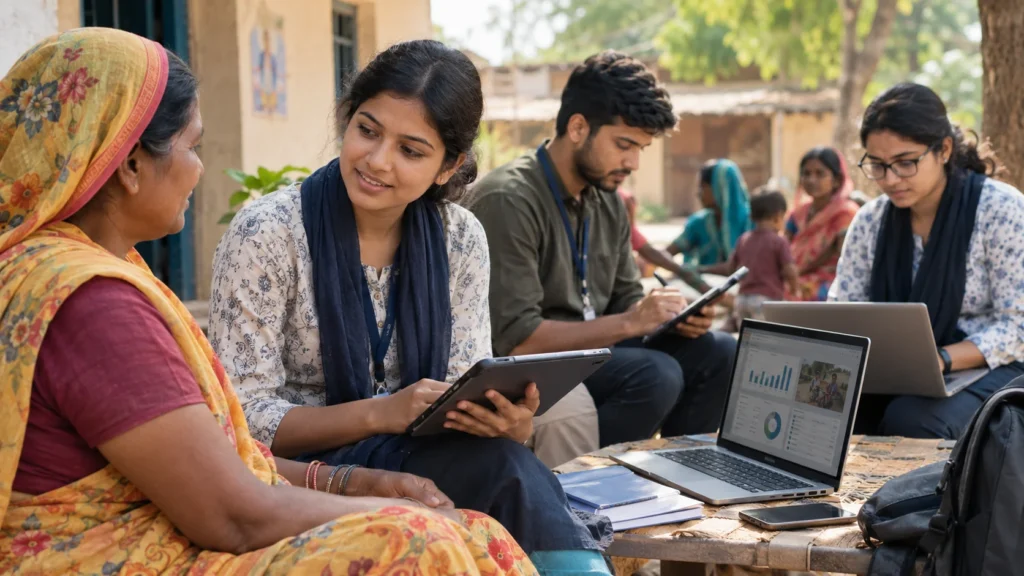
Data collection and digital monitoring tools supporting responsive programme decisions

Data Collection & Digital Monitoring Tools

Thoughtful data practices help us understand what communities truly need, track how learning unfolds, and make programme decisions more responsive. Through simple digital tools, respectful consultations and consent-led data collection, we gather information that reflects real experiences. These insights help teams adapt sessions, measure meaningful progress and strengthen impact, while keeping trust, privacy and community voices central to every decision.

Listening before measuring

GDF can begin with simple, respectful community consultations, surveys, and conversations, so the information collected reflects what people actually need rather than what is easiest to count.

Sharing insights in accessible formats

GDF can support field teams, facilitators, and health workers with easy-to-use mobile forms and dashboards, so records are accurate, up to date, and less time-consuming to maintain.

Tracking learning and progress over time

GDF can help programmes follow participation, knowledge gained and changes in everyday practices, so progress is visible beyond attendance numbers and sessions can be adjusted as needs shift.

Responsible, consent-led data practices

GDF can help partners collect only what is needed, explain clearly how it will be used, and store it securely, so communities feel safe and respected. Findings can then be shared back in plain language to guide programme decisions.

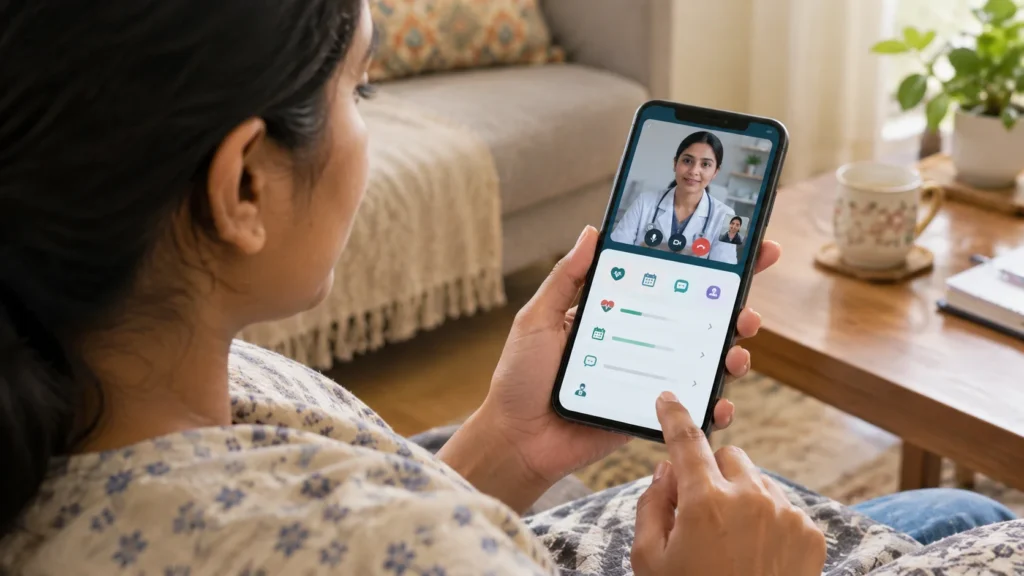
Mobile healthcare app helping users access health information, follow-up support, and connect with care.

Mobile Applications for Healthcare

Mobile applications are opening new doors to healthcare, especially for people who live far from clinics or find it hard to ask for help. We explore mobile-first ways to share trusted health information, support follow-up after a visit, and connect people with care when they need it, so that everyday health support feels simple, timely, and always within easy reach.

Sharing health information to people use

GDF can help turn health guidance into short, clear messages in simple language that reach people on the phones they already use. This puts reliable information on prevention, nutrition, hygiene and when to seek care in everyone’s hands, not just those who can visit a clinic.

Supporting follow-up after the first visit

GDF can help communities use reminders and check-ins for appointments, vaccinations, medicines and ongoing care, so that people stay connected to the support they need once they’ve left the clinic.

Connecting people with nearby care

GDF can help people find trusted health services, counsellors, and community health workers more easily, and understand which service fits their needs. This shortens the distance between a worry and a conversation with someone who can help.

Building comfort and confidence with digital tools

GDF can guide families, women, older adults and frontline health workers in using health apps with confidence. It can also respect privacy and make sure no one is left behind because of language, literacy or access to technology.

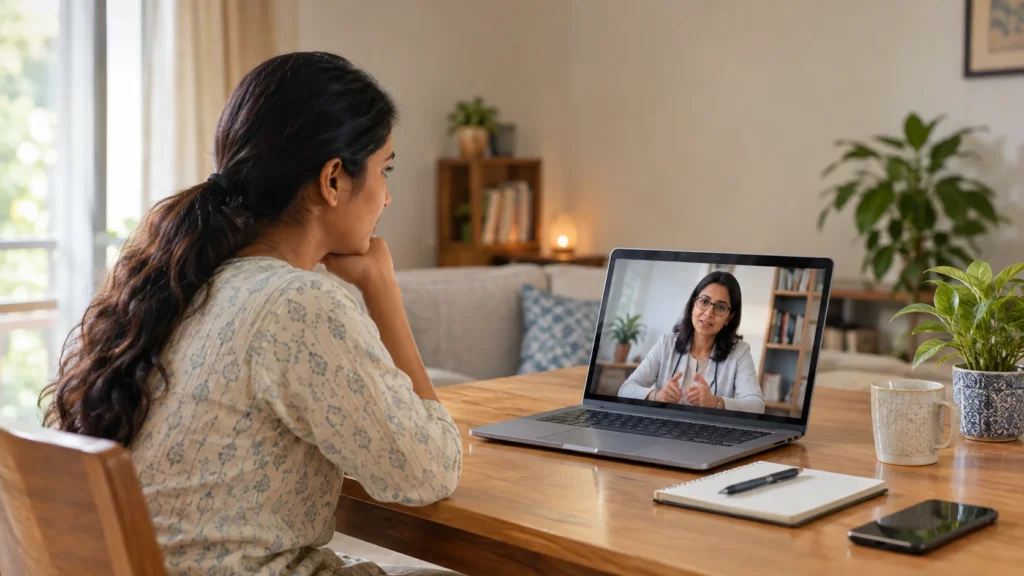
Tele-health session providing remote mental health guidance and consultation from home

Telehealth

Telehealth extends access to guidance and consultation through remote connection, especially when distance or circumstance makes in-person care difficult. Through phone and video conversations, people can speak with trained professionals, ask questions, and receive timely advice without long journeys or lost wages. It helps families feel supported, encourages earlier action on health concerns, and keeps care within reach for communities.

Connecting people to care from where they are

GDF can help families in remote or underserved areas reach doctors, counsellors and health guidance by phone or video, so a long journey or a lost day’s wage doesn’t stand between someone and the advice they need.

Supporting first steps and follow-up

GDF can help people book a consultation, understand what to expect, and stay on track afterwards, so questions get answered and care doesn’t end after a single call.

Making remote care easy to use

GDF can offer simple, guided support, such as community volunteers or trained facilitators, for people who are new to digital tools or have limited connectivity, so no one is left out because of unfamiliar technology.

Linking remote guidance with local support

GDF can connect tele-consultations with nearby health workers, community programmes and referral pathways, so advice received remotely turns into practical help close to home.

Digital learning platform connecting students to flexible education resources and technology-enabled learning

Digital Learning Platforms

Digital learning platforms help build more flexible access to learning resources, peer exchange and technology-enabled education. By bringing practical guidance, shared experiences, and simple online tools into one welcoming space, GDF helps people learn at their own pace, connect with others, and build confidence. These platforms make knowledge easier to reach and use, wherever people are and whatever their circumstances.

Learning that fits real lives

GDF can help set up easy-to-use online and mobile-friendly learning spaces, so people can access health and skill-building resources at their own pace, whenever and wherever it suits them.

Resources in one accessible place

GDF can help bring together practical guides, short sessions and learning materials in simple language, making it easier for community members, educators and health workers to find what they need.

Learning from one another

GDF can help create peer exchange spaces, such as group discussions, shared forums and virtual circles, where people swap experiences, ask questions and learn from others facing similar situations.

Support to use technology with confidence

GDF can help people get comfortable with digital tools through guided walkthroughs, hands-on orientation, and ongoing support, so that technology feels welcoming rather than intimidating.

Our commitment

Use technology with purpose and care.

Innovation should respond to a real need, respect privacy, and remain usable for the people it is meant to support. We value simple, adaptable tools over technology for its own sake.

01

Start with the need

02

Design for access

03

Protect people’s data

04

Learn and improve

Looking for support?

Start with a conversation.