
Acceptance vs. Change: What Should You Choose?

In life, we constantly face situations that challenge our sense of control—unexpected losses, relationship conflicts, career uncertainties, or personal struggles. In such moments, a common dilemma arises: should we accept things as they are, or should we try to change them? This question is not just philosophical; it directly impacts our emotional well-being, decision-making, and […]
The Emotional Cost of Financial Dependence in Old Age

Financial dependence in later life is often discussed in practical terms, but its emotional impact is rarely given equal attention. For many older adults, the shift from financial independence to reliance on others is not just a change in circumstance; it is a deeply personal transition that can affect identity, confidence, and emotional well-being. While […]
Elderly and the Digital World: Challenges and Solutions
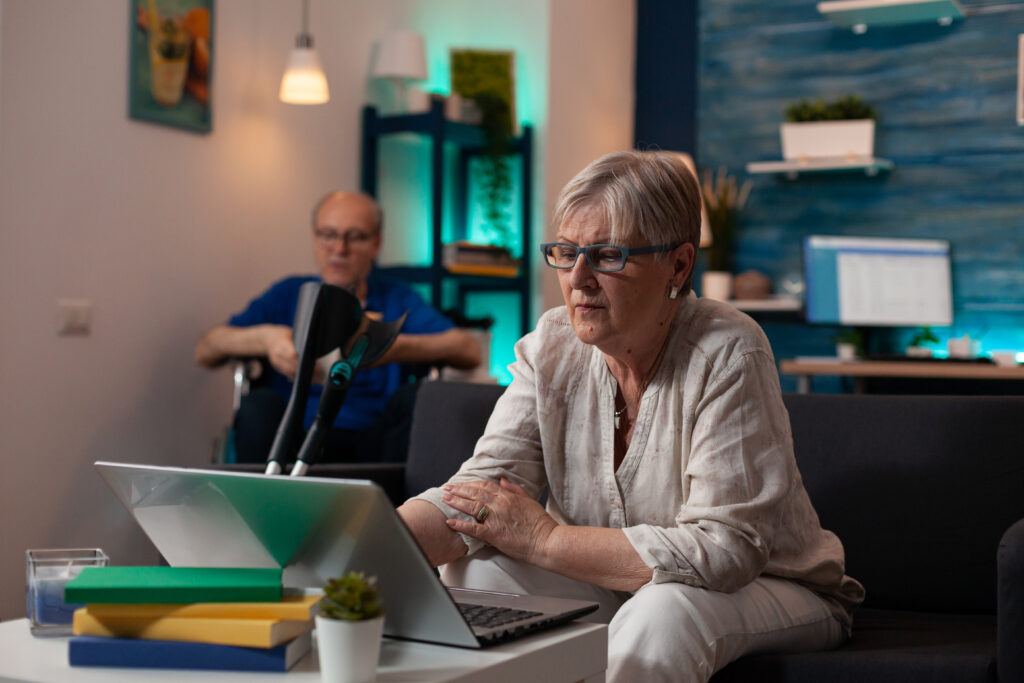
The rapid expansion of the digital world has transformed how people communicate, access services, and participate in society. From online banking to telemedicine and social media, technology plays a central role in everyday life. However, for many older adults, this digital transformation presents both opportunities and significant challenges. As societies continue to digitize, addressing the […]
Identity Loss: “Who Am I Without Them?”

Relationships shape us in profound ways. Whether it is a romantic partner, a close family member, or even a long-term friendship, the people we bond with often become intertwined with our identity. But when that connection ends through breakup, divorce, or loss it can leave behind a haunting question: “Who am I without them?” This […]
Coping with Emptiness & Silence After Loss

Loss is an inevitable part of life, yet it is one of the most emotionally overwhelming experiences an individual can face. Whether it is the loss of a spouse, a close friend, or a family member, the impact can be profound, especially in old age. Years of shared memories, routines, and emotional bonds suddenly give […]
Trauma and Sudden Loss in Later Life
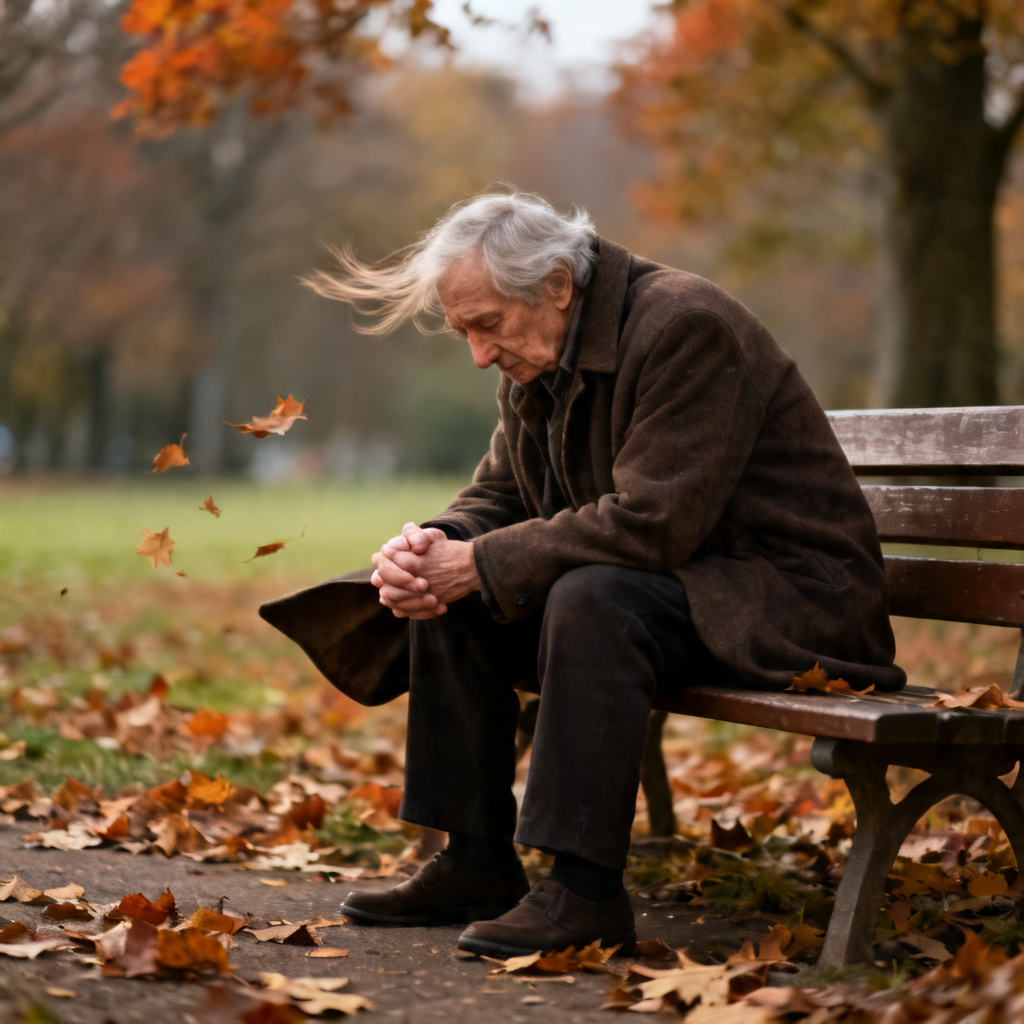
Life in later years is often associated with stability, reflection, and emotional maturity. However, sudden and unexpected loss can deeply disrupt this phase, leading to intense emotional trauma. Losing a loved one abruptly, whether due to illness, accidents, or unforeseen circumstances, can leave older adults feeling shocked, vulnerable, and overwhelmed. Unlike anticipated loss, sudden loss […]
Psychological Impact of Divorce After 50 or 60

Divorce at any stage of life is challenging, but experiencing it after decades of marriage can be particularly complex. Often referred to as “gray divorce,” this transition involves not just the end of a relationship but also the restructuring of identity, lifestyle, and future expectations. For individuals in their 50s or 60s, divorce can disrupt […]
Understanding Grief in Old Age: Losing a Life Partner
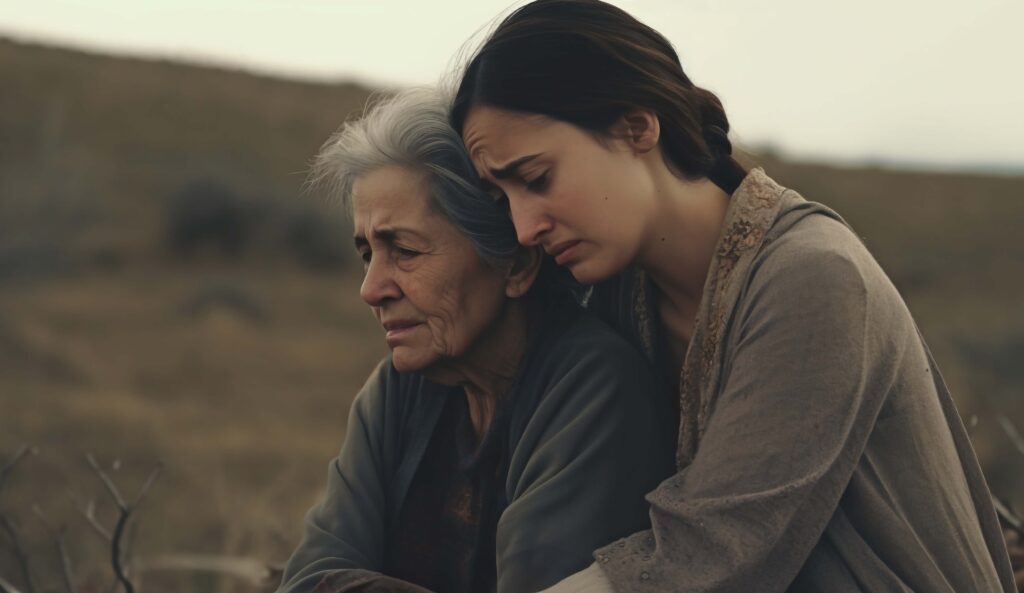
Grief is a deeply personal and universal experience, yet its intensity and complexity can vary significantly across different stages of life. In old age, the loss of a life partner is often one of the most profound and life-altering events an individual can face. After decades of shared memories, routines, and emotional interdependence, the absence […]
Can Therapy Help Couples in Their Later Years?
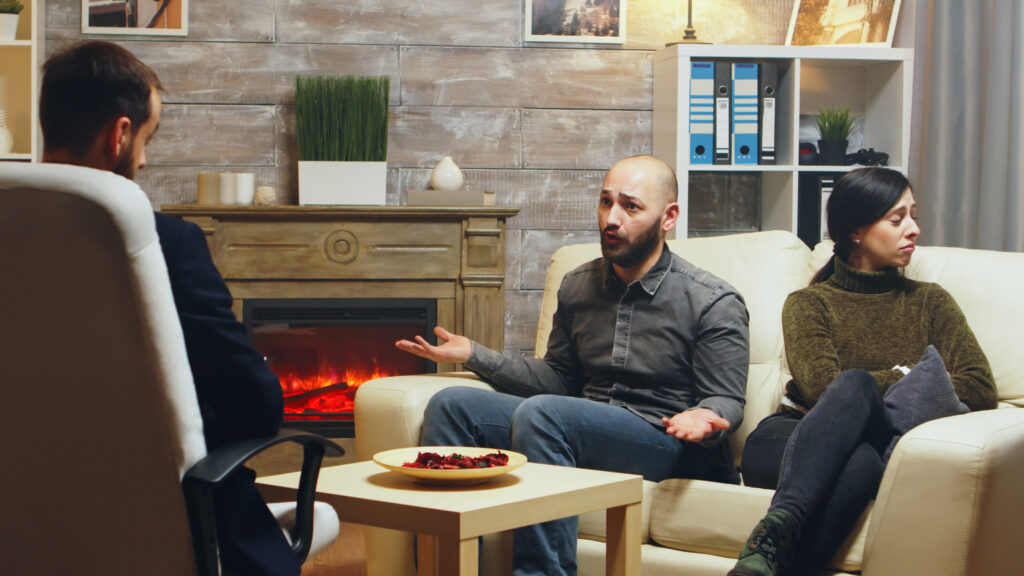
Aging brings significant changes in life, especially within relationships. For couples in their later years, the journey can be both rewarding and challenging. After decades of shared experiences, responsibilities, and transitions, relationships may face emotional distance, communication gaps, or unresolved conflicts. This raises an important question: can couples therapy truly help couples in their later […]
Loneliness Within Marriage in Old Age
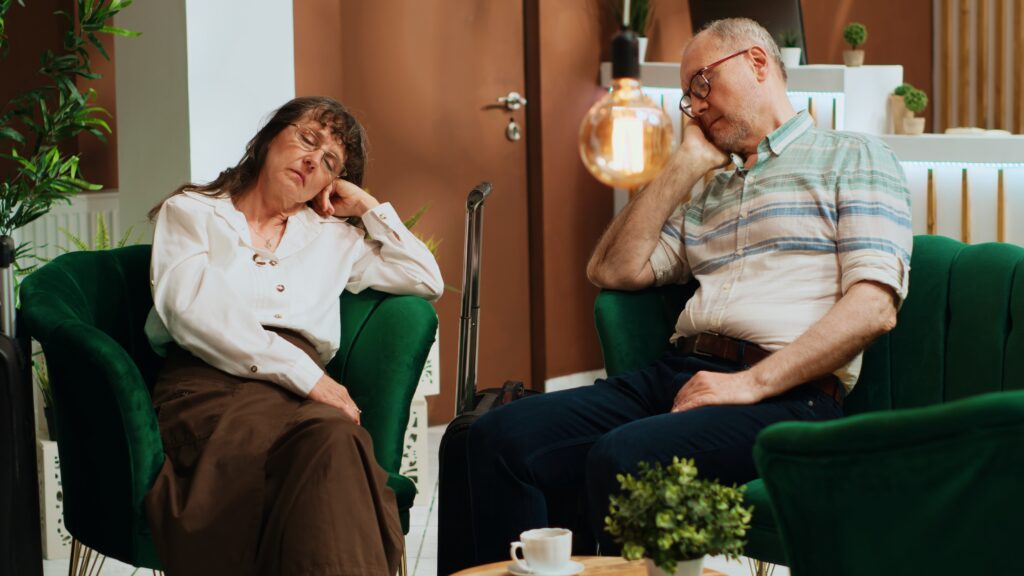
Marriage is often seen as a lifelong bond built on companionship, trust, and emotional support. However, in old age, many couples experience a silent struggle, loneliness within marriage. Even while living together, partners may feel emotionally distant due to changing life circumstances, health concerns, and shifting roles. This emotional gap can deeply affect mental well-being […]