
Healing Beyond Home: How Wellness Travel Is Transforming Self-Care

For many people, travel has traditionally been associated with sightseeing, adventure, food, and relaxation. Today, however, the meaning of travel is changing. Increasingly, people are travelling not simply to visit a destination but to reconnect with themselves, reduce stress, improve their well-being, and return home feeling refreshed. This growing approach is often described as wellness […]
Protecting Healthcare Equipment: Smart Maintenance for Tropical Conditions
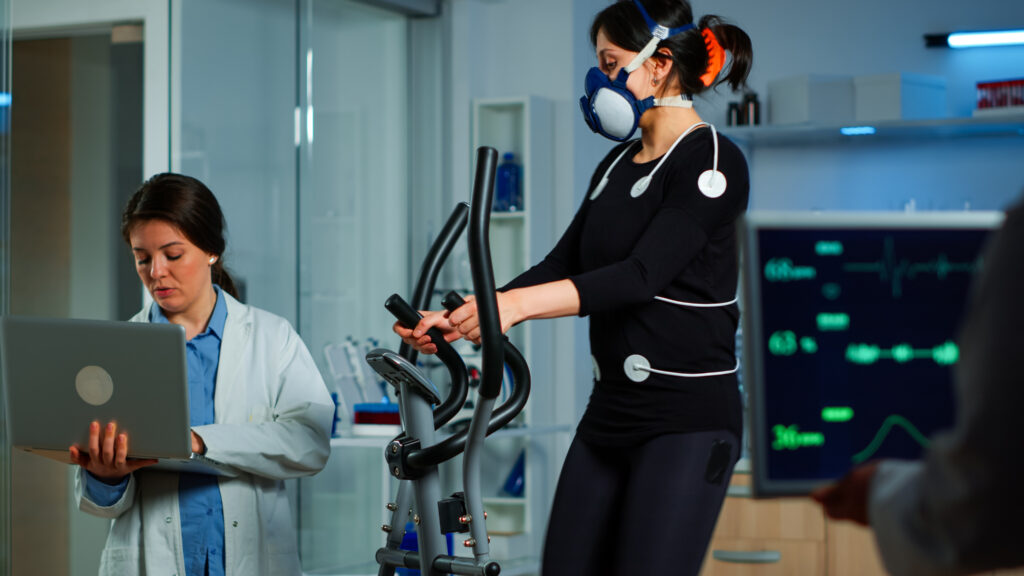
Healthcare equipment is the silent backbone of modern patient care. From oxygen concentrators and ventilators to diagnostic machines, refrigerators, monitors, laboratory instruments, and sterilization systems, these devices support healthcare professionals at every stage of diagnosis and treatment. Yet in tropical and humid regions, equipment faces environmental pressures that can quietly shorten its working life. High […]
Planting Hope: How Trees Nurture Health, Communities, and the Planet
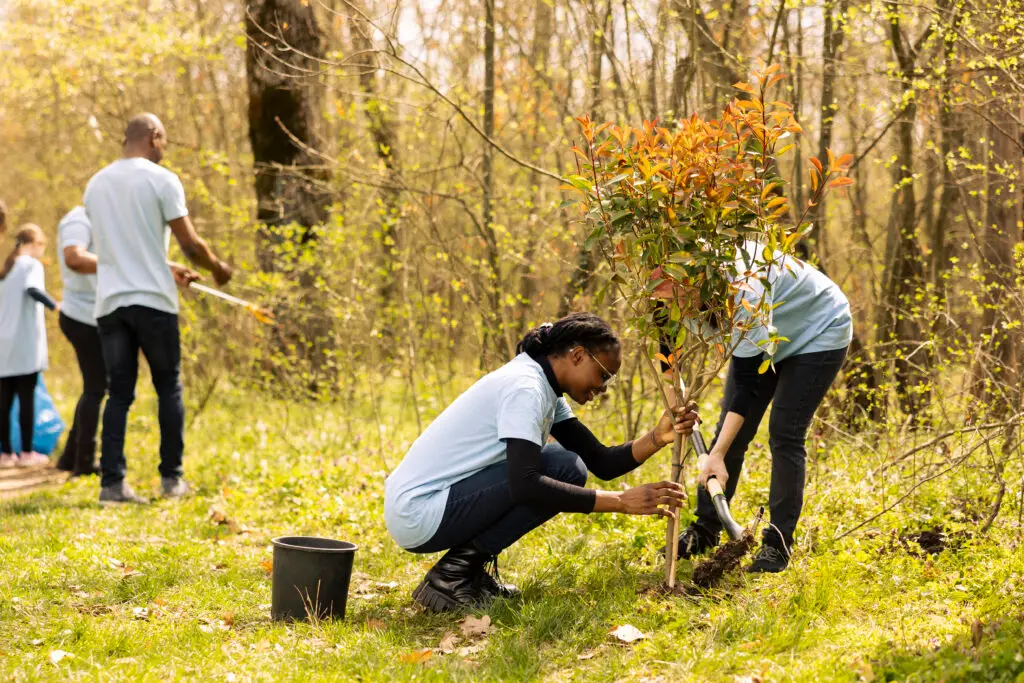
Walk down a street lined with old, leafy trees and compare it, in your mind, to a stretch of bare concrete under the midday sun. The difference is not just visual. Trees change the temperature of a place, the sound of a place, and — as a growing body of research shows — the health […]
Small Green Choices, Big Healing: Everyday Habits for a Healthier Life

Introduction A healthier life does not always begin with an expensive fitness programme, a strict diet, or a dramatic lifestyle transformation. Sometimes, it begins with something much smaller: walking instead of driving for a short distance, carrying a reusable bottle, choosing seasonal food, switching off unnecessary lights, spending a few minutes around plants, or simply […]
Caring for Medical Equipment in Humid Climates: A Guide to Safer Healthcare
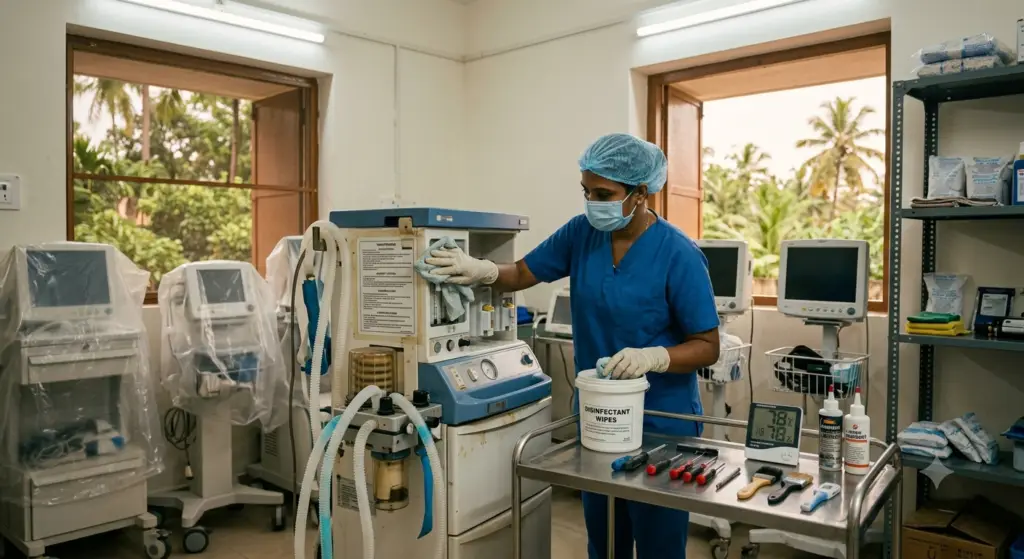
Medical equipment is vital for diagnosis, treatment, monitoring, and patient care, but its safety and performance depend on proper storage, cleaning, inspection, and maintenance. In humid climates, excess moisture and temperature changes can damage electrical components, packaging, and equipment. Maintaining suitable environmental conditions helps extend equipment life, prevent failures, and support safer healthcare delivery. Why […]
Healing with Nature: Simple Sustainable Habits for Everyday Well-Being

There is a particular kind of relief that comes from stepping outside — the sound of birds instead of notifications, the smell of wet earth after rain, the sight of a tree that has stood in the same spot for decades. In a world that runs on screens and deadlines, nature is quietly one of […]
Seven Warnings Your Older Parent May Need Expert Physical Therapy
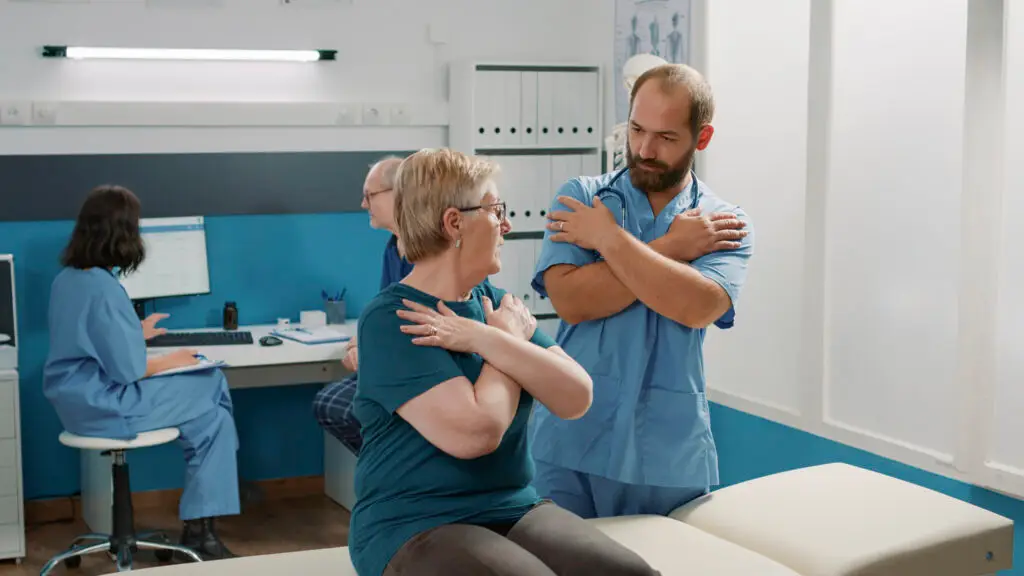
Aging does not automatically mean losing strength, balance, or independence. However, gradual changes in mobility can sometimes go unnoticed until they begin affecting everyday life. An older parent may stop taking walks, avoid stairs, hold onto furniture while moving around the house, or become hesitant about going outside. Families may dismiss these changes as “normal […]
Post-Surgery Rehabilitation at Home: What Families Need to Know
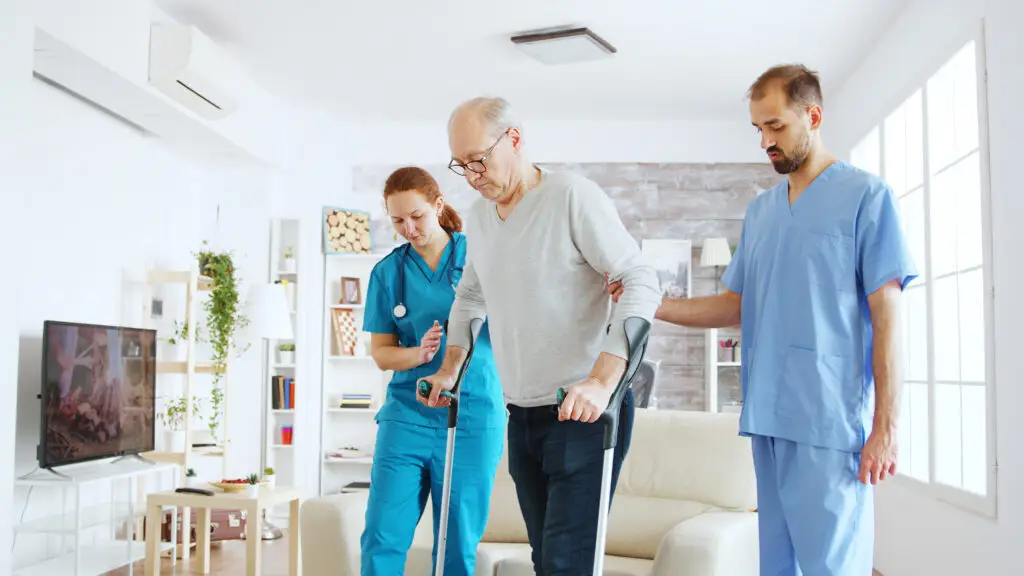
Surgery may end in the operating room, but recovery continues long after the patient returns home. The period following discharge can involve pain, weakness, restricted movement, medication schedules, wound care, dietary changes, and emotional adjustments. For families, this phase can feel overwhelming because they suddenly become an important part of the recovery process. With appropriate […]
These Tips Will Help You Care For An Elderly Loved One
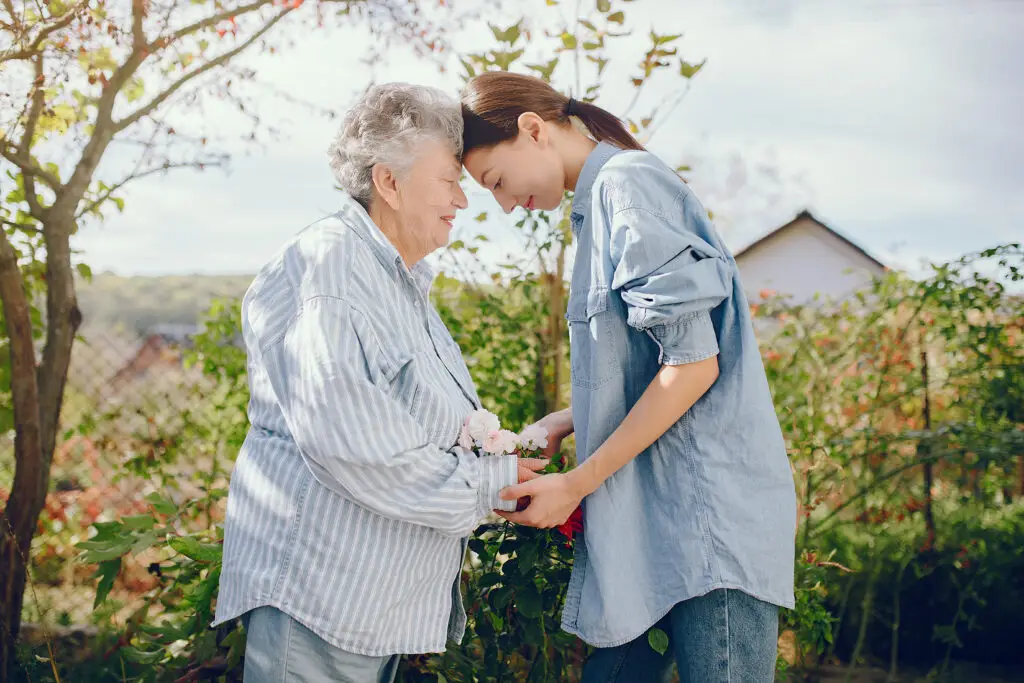
Caring for an elderly loved one is a meaningful responsibility that involves much more than helping with medicines, appointments, or household tasks. Ageing can bring changes in mobility, memory, independence, social relationships, and emotional well-being. A supportive caregiver can make these transitions easier while helping an older adult maintain dignity, choice, and a sense of […]
Fall Prevention for Elderly: Expert-Backed Exercises and Home Safety Tips
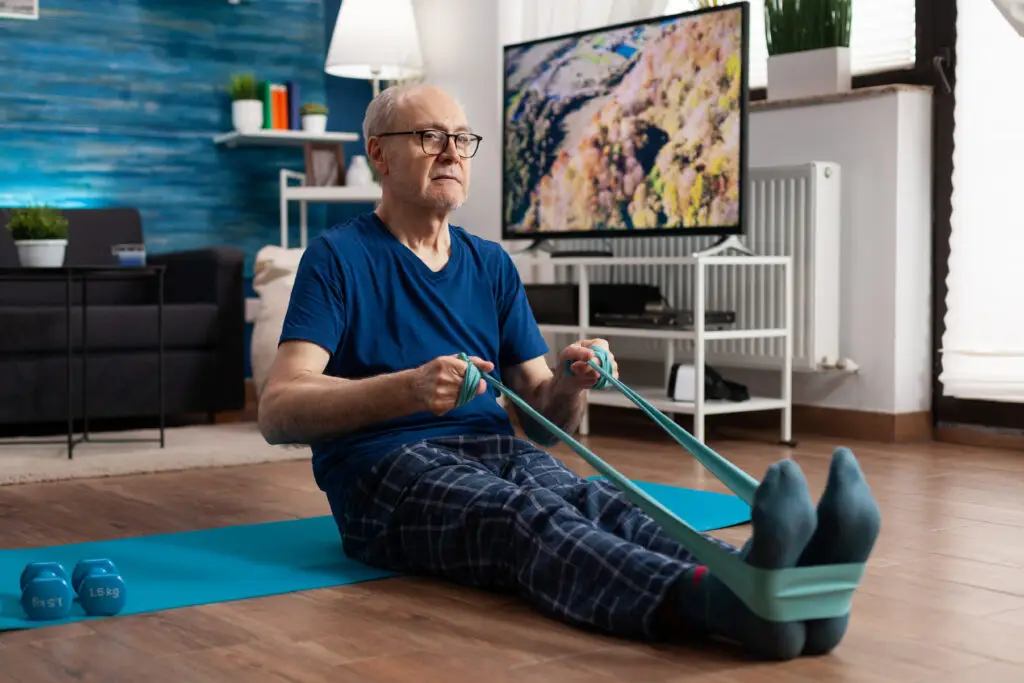
Falls are one of the most common threats to independence and quality of life in later life. They can result in fractures, head injuries, reduced mobility, hospitalisation, and fear of falling again. According to the World Health Organization (WHO), adults over 60 experience the greatest number of fatal falls, while fall prevention requires a combination […]