
Child to Geriatric Counselling: A Lifespan Mental Health Approach

Mental health is a lifelong continuum, shaped by experiences from early childhood to old age. While child psychology and geriatric counselling may appear to serve opposite ends of the lifespan, both fields address core human needs: emotional security, cognitive functioning, identity, and connection. Bridging these two disciplines allows professionals, caregivers, and communities to understand mental […]
How the Brain Differs, Changes, and Declines Over Time
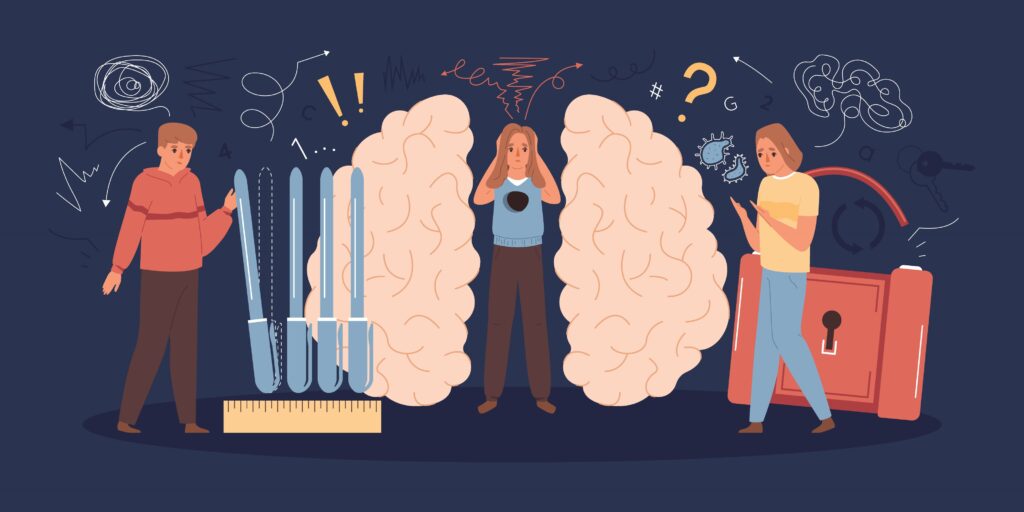
The human brain is an incredibly sophisticated organ that remains in a constant state of flux throughout our lives. From the moment we are born, our neural architecture begins a lifelong process of construction, refinement, and eventual reorganisation. It is a common misconception that the brain reaches a finished state in early adulthood and simply […]
Emotional & Cognitive Health Across Life: Thoughts, Feelings & Behaviour

Emotional and cognitive health are central to human well-being, shaping how individuals think, feel, learn, and relate to others throughout their lives. From early childhood curiosity to the reflective wisdom of later years, mental health is not static; it evolves with age, experiences, and social environments. Understanding emotional and cognitive health across life helps societies […]
Mental Health at Every Age: Early Care to Ageing Support

Mental health is not a concern limited to a single phase of life; it is a dynamic and evolving aspect of human wellbeing that requires attention from early childhood through older adulthood. Each stage of life presents unique psychological challenges, vulnerabilities, and strengths. A lifespan-based approach to mental health emphasises early identification of concerns, continuous […]
Lifespan Psychology & Brain Health: Cognitive & Emotional Wellbeing

Lifespan psychology offers a comprehensive framework for understanding how human cognition, emotions, and behaviour evolve from infancy through old age. Rather than viewing mental health as a static condition, this perspective recognises development as a continuous process shaped by biological maturation, environmental influences, relationships, and lived experiences. In an era marked by rapid social change, […]
Elder Abuse and Its Psychological Consequences

The safety and dignity of our elders are fundamental values that every society strives to uphold. However, behind closed doors, many seniors face a distressing reality that is often shrouded in silence and shame. When we talk about the mistreatment of older adults, we are looking at a profound violation of trust that goes far […]
Cognition from Childhood to Ageing: Brain Changes
The journey of human cognition is a lifelong odyssey that begins with the rapid fire of neurons in infancy and moves through the complex adaptations of adulthood toward the seasoned wisdom of later life. Our brains are not static; they are incredibly dynamic systems that constantly remodel themselves in response to the environment, learning, and […]
Beyond Mental Health: Understanding the Whole Brain
The human experience is far too complex to be defined by a single word or a diagnostic category. For decades, we have relied on various clinical terms to describe the struggles people face, but these categories often fail to capture the dynamic nature of the human brain and mental health. Instead of viewing the mind […]
Unseen Cognitive Health Challenges in Children & Adults

The human brain is a remarkably adaptable organ, often capable of masking significant internal challenges behind a facade of daily competence. Many individuals navigate their personal and professional lives while battling subtle shifts in their mental processing that remain invisible to colleagues, friends, and even family members. These internal hurdles often involve the brain’s executive […]
Caregiver Stress & Its Psychological Impact on Seniors
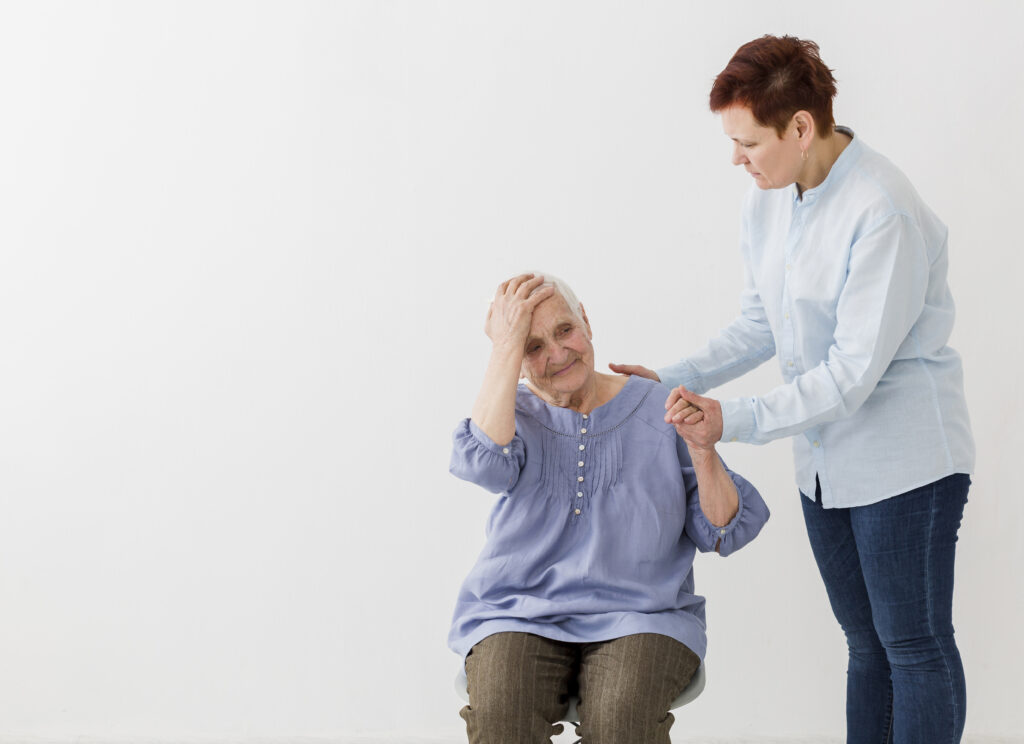
Caregiving is often portrayed as an act of selfless devotion, a duty born out of love and familial responsibility. However, beneath this noble task lies a complex psychological reality that can significantly impact the mental health of both the caregiver and the recipient. In psychology, the relationship between a caregiver and a senior is referred […]