
Viksit Bharat: Society for all Ages?
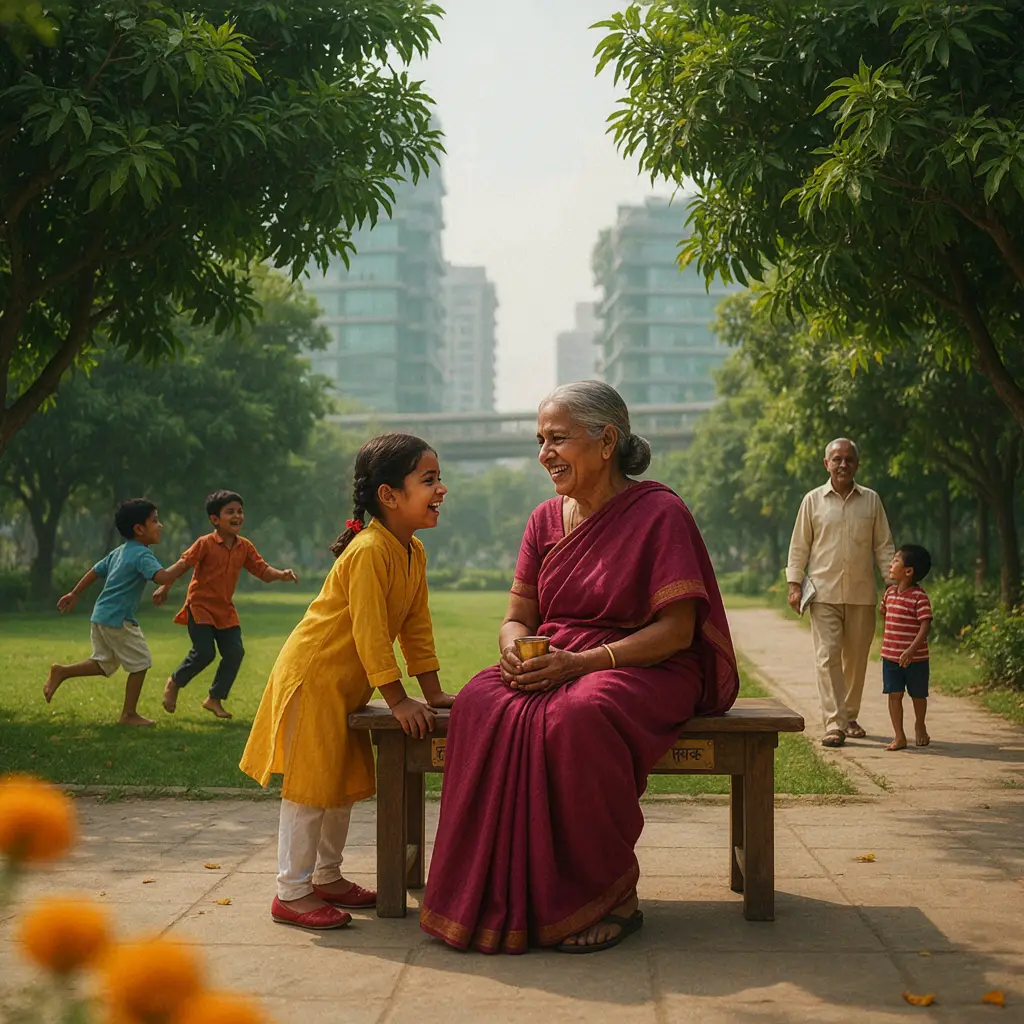
The vision of Viksit Bharat is often discussed through economic growth, infrastructure, technology, employment, and innovation. Yet, a developed nation is not defined only by its economic indicators. It is also shaped by how effectively it enables people of different ages to live with dignity, participate in society, remain healthy, and contribute meaningfully. As India […]
After the Floodwaters Receded, the Stories Remained

When floodwaters rise, survival becomes the immediate priority. People search for safety, protect loved ones, secure food and shelter, and try to save whatever possessions they can. Yet when the water recedes, the crisis does not necessarily end. Homes may remain damaged, livelihoods disrupted, schools may be closed, and communities may face uncertainty about what […]
Redefining Winning: Active Ageing Beyond Seventy
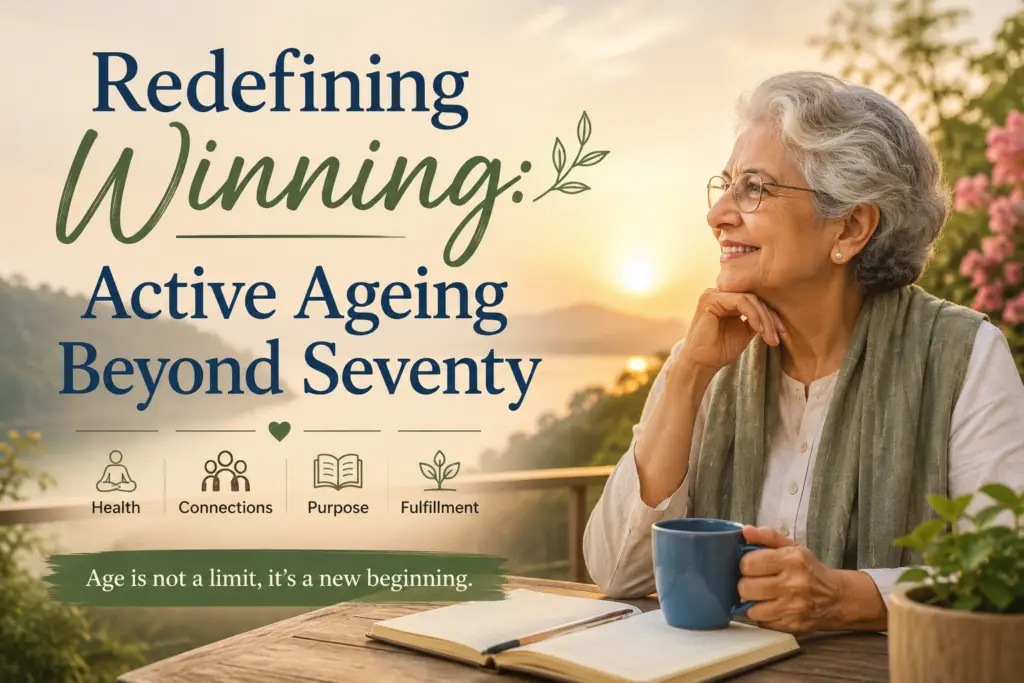
Ageing is more than a number. Life after seventy can continue to involve learning, relationships, activity, creativity, and personal growth. Active ageing focuses on health, independence, connection, and purpose, shifting attention from limitations toward well-being, meaningful engagement, and quality of life. Moving Beyond Traditional Ideas of Success After retirement, traditional measures of success such as […]
Financial Independence & Mental Well-being in Older Adults
Financial independence plays a vital role in ensuring a secure, dignified, and fulfilling life for older adults. While aging often brings changes such as retirement, reduced income, or increased healthcare expenses, maintaining financial stability helps seniors preserve their confidence, autonomy, and emotional well-being. Beyond meeting daily needs, financial independence provides a sense of control over […]
The Power of Reminiscence Therapy: Supporting Mental Well-being in Ageing
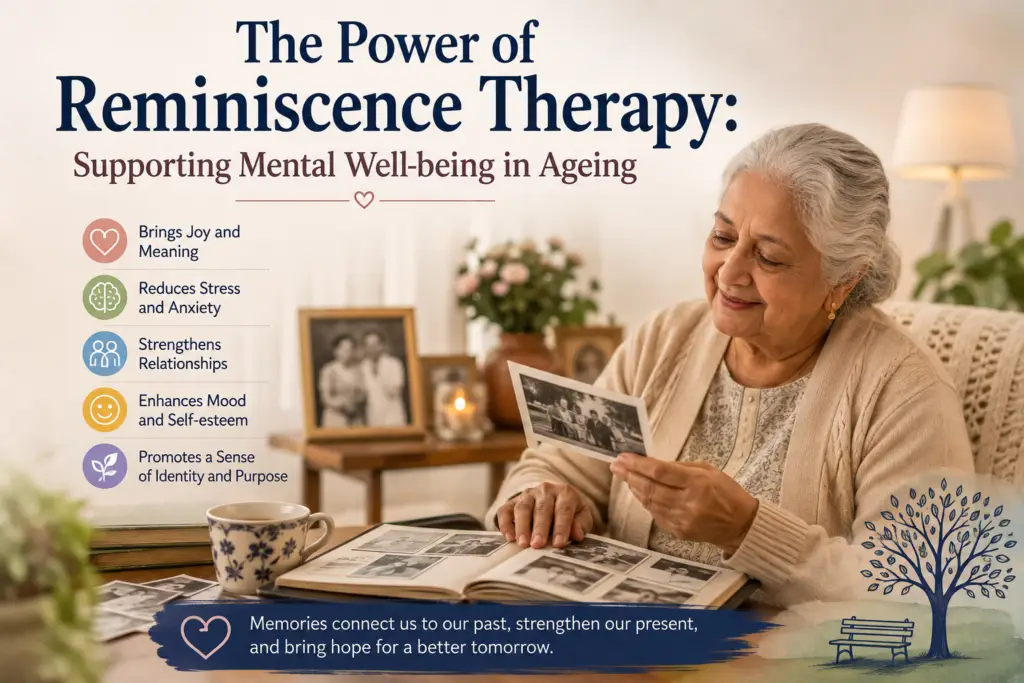
Growing older brings valuable life experiences, but it can also involve challenges such as retirement, health issues, and the loss of loved ones, which may affect emotional well-being. Reminiscence therapy is an evidence-based approach that encourages older adults to reflect on meaningful memories, helping strengthen their sense of identity, enhance emotional well-being, and promote a […]
How Gratitude & Positive Psychology Promote Healthy Aging
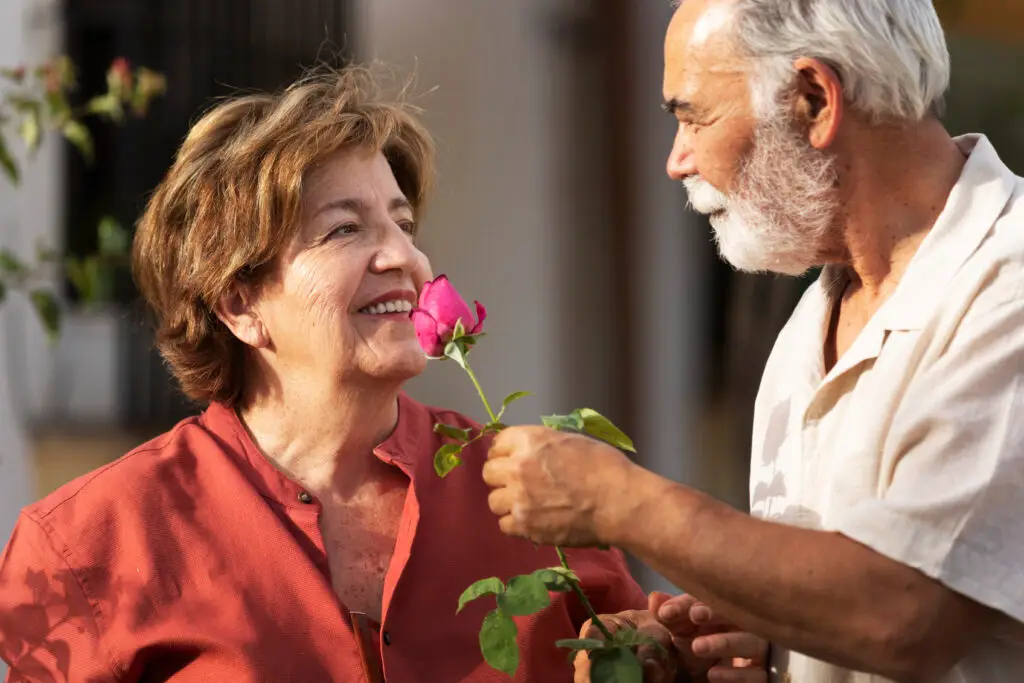
Aging is a journey filled with new experiences, achievements, and life transitions. While growing older often brings physical and emotional challenges, it also offers opportunities for wisdom, resilience, and personal growth. In recent years, researchers have highlighted the importance of positive psychology and gratitude in promoting healthy aging. Rather than focusing solely on illness or […]
Why Routine & Daily Structure Are Essential for Older Adults
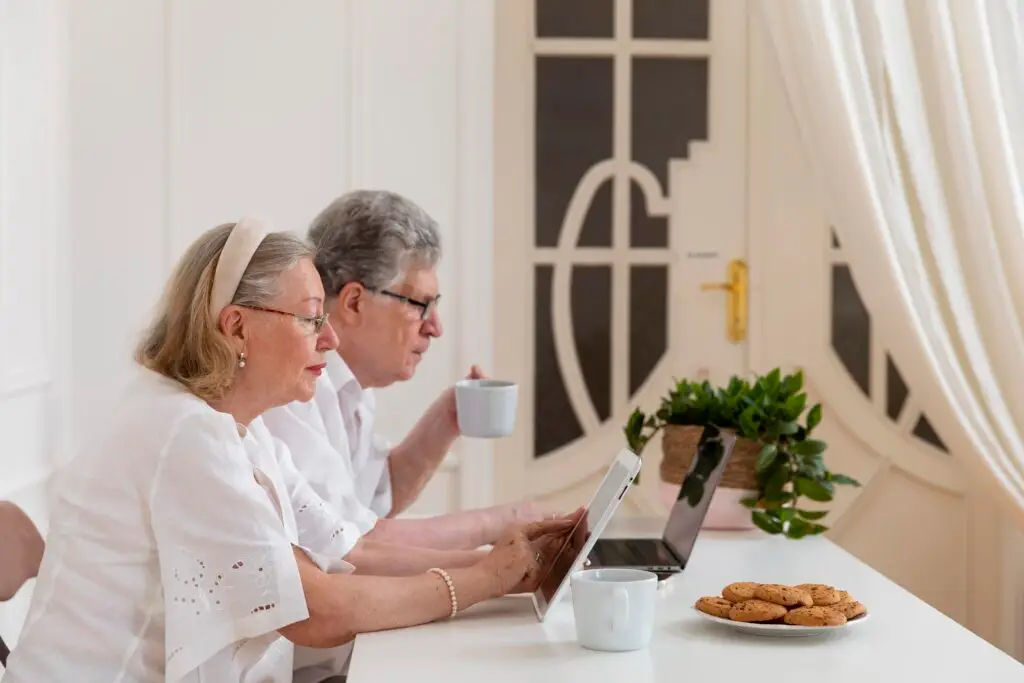
As people grow older, maintaining a sense of stability and purpose becomes increasingly important for both physical and mental well-being. Retirement, changes in health, the loss of loved ones, or reduced social interaction can sometimes disrupt an older adult’s daily life, leading to feelings of loneliness, anxiety, or confusion. Establishing a consistent routine provides structure, […]
Elder Abuse: Recognizing the Signs and Taking Action
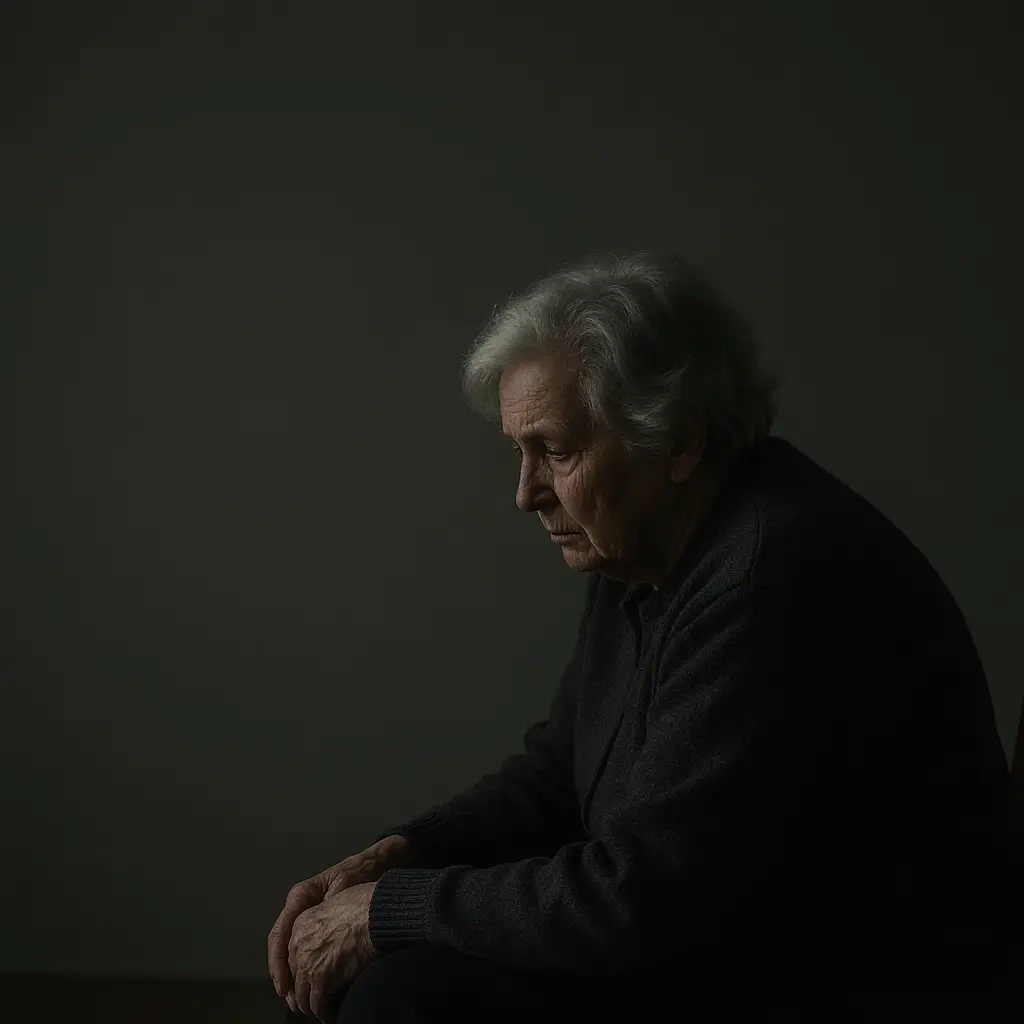
Growing older should be a stage of life marked by dignity, respect, and security. Unfortunately, many older adults experience mistreatment from those they trust the most. Elder abuse is a serious yet often hidden issue that affects the physical, emotional, social, and financial well-being of senior citizens. Due to fear, dependence on caregivers, social isolation, […]
The Best Exercises to Improve Focus & Brain Health in Seniors

Aging is a natural part of life, but growing older does not necessarily mean losing mental sharpness or independence. While certain changes in memory and attention are common with age, research consistently shows that an active lifestyle can significantly improve cognitive functioning and overall well-being. Just as physical exercise strengthens the body, specific activities can […]
Building Emotional Independence After the Loss of a Spouse

Losing a spouse is one of the most profound life transitions an individual can experience. Beyond the emotional pain, it often brings significant changes in daily routines, social roles, financial responsibilities, and plans. Adapting to life without a lifelong companion can be difficult for many older folks. While grief cannot be rushed or erased, it […]