
Emotional Sensitivity in Children with Attention Difficulties

Children with attention difficulties, particularly those diagnosed with Attention-Deficit/Hyperactivity Disorder (ADHD), often experience more than just challenges with focus and impulsivity. One of the less discussed yet highly significant aspects of their experience is emotional sensitivity. These children tend to feel emotions more intensely, react more quickly, and take longer to calm down. Understanding and […]
Understanding Speech Delays in Children

Speech and language development is a vital part of a child’s overall growth, helping them express needs, share emotions, ask questions, and build relationships. Strong communication skills also support learning, cognitive development, and social confidence, making them essential for success in school and daily life. However, speech delays can sometimes affect this development, making early […]
The Psychology of Overparenting: How It Impacts Both You and Your Child

Parenting today often comes with heightened awareness, responsibility, and pressure to “get it right.” In this context, overparenting—sometimes referred to as excessive or intrusive parenting—has become increasingly common. It involves a pattern where parents become overly involved in their child’s life, often managing situations the child could handle independently. While the intention is usually to […]
Building Emotional Intelligence in Children

Emotional intelligence refers to the ability to recognise, understand, express, and manage one’s emotions while also being sensitive to the emotions of others. In children, this skill plays a crucial role in shaping their behaviour, relationships, and overall development. When nurtured from an early age, emotional intelligence helps children become more adaptable, empathetic, and socially […]
Why Some Children Struggle with Emotional Expression
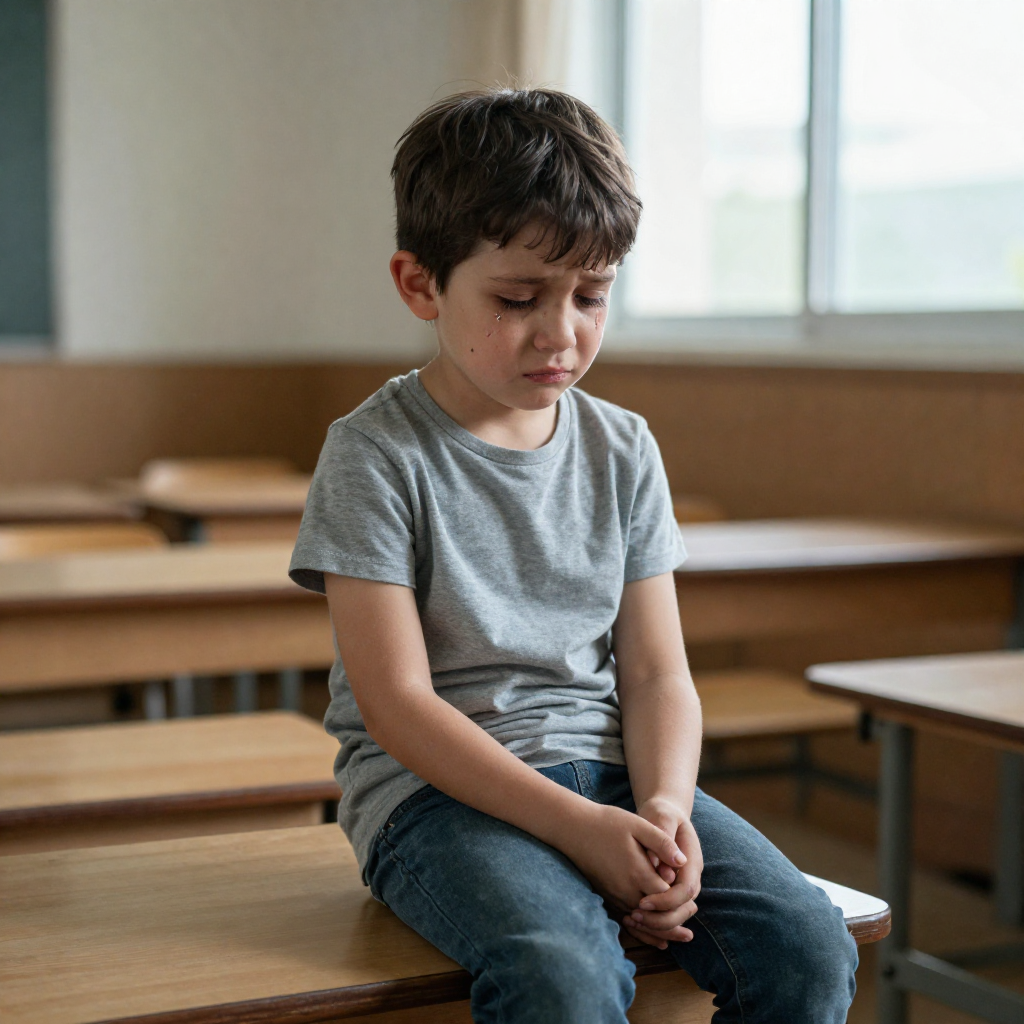
Emotional expression is a crucial part of a child’s overall development. It allows children to communicate their feelings, build relationships, and navigate the world around them. However, not all children find it easy to express what they feel. Some may appear withdrawn, overly aggressive, or confused about their own emotions. Understanding why this happens is […]
Building Resilience in Children
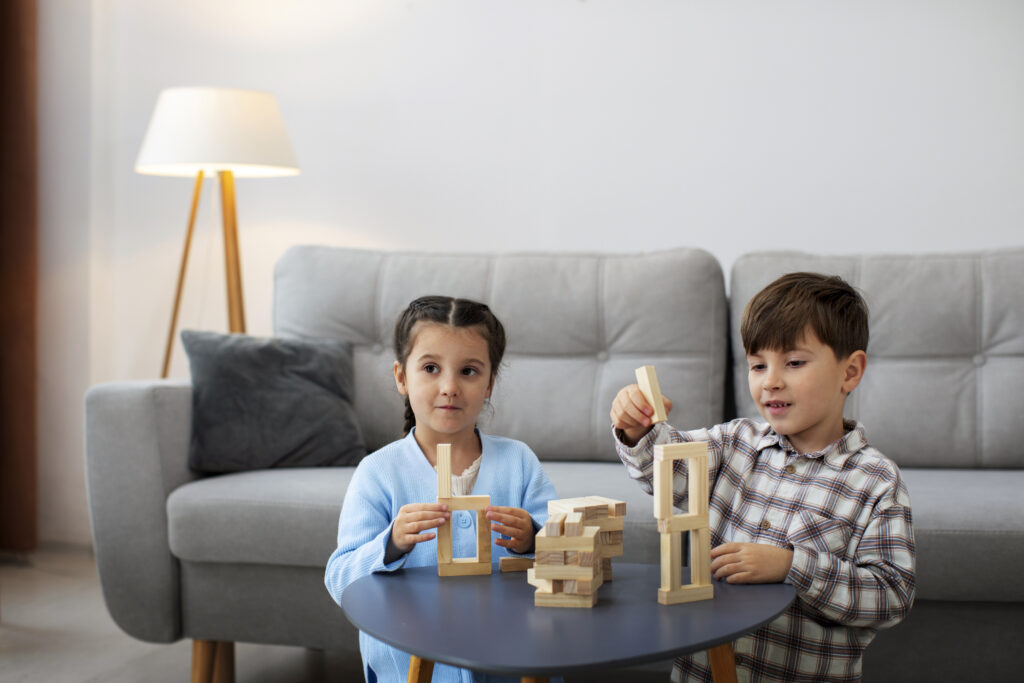
In today’s fast-changing and often unpredictable world, children face numerous challenges that can affect their emotional, social, and psychological well-being. From academic pressure and social conflicts to family changes and digital influences, young minds encounter stressors that may shape their development. One of the most important life skills children can develop is resilience, the ability […]
Parenting Strategies for Emotionally Sensitive Children

Some children feel emotions more deeply than others- they cry easily, get overwhelmed quickly, or take things to heart. These are not signs of weakness or “overreaction,” but indicators of emotional sensitivity. Parenting an emotionally sensitive child requires patience, understanding, and a different approach, one that nurtures their emotional depth while helping them build resilience. […]
Encouraging Problem-Solving Skills in Kids
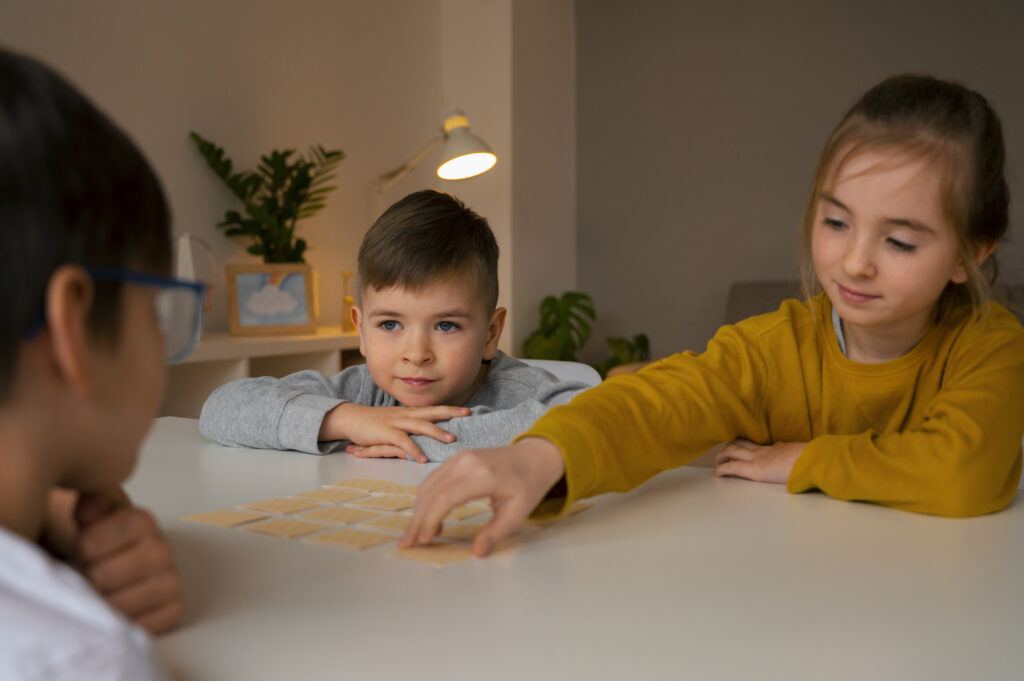
In today’s fast-paced and ever-evolving world, children need more than just academic knowledge to thrive; they need strong problem-solving skills. These skills help them analyze situations, make decisions, and handle challenges with confidence. Whether at home, in school, or within structured environments like a child care center, children benefit greatly from opportunities that nurture independent […]
Understanding Attention-Seeking Behavior in Kids
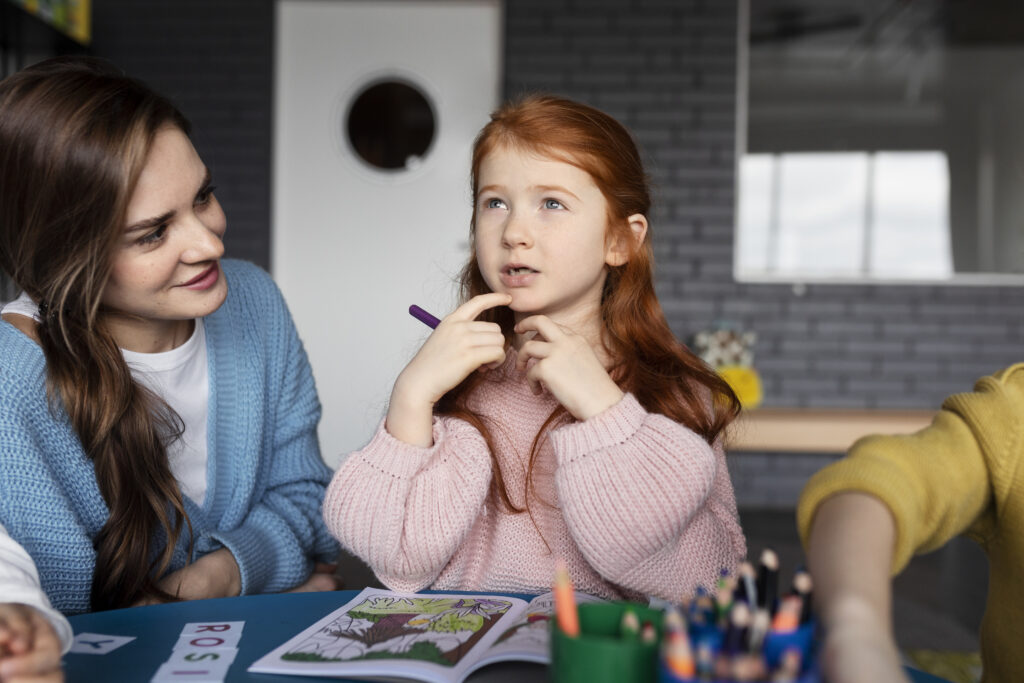
Attention-seeking behavior is a common concern among parents, caregivers, and educators. Children often display behaviors that may seem disruptive, excessive, or even challenging, but these actions usually stem from a deeper emotional or developmental need. Understanding why children seek attention and how to respond effectively can help foster healthier communication, emotional security, and positive behavior […]
Why Children Resist Change and How to Support Them

Change is a natural part of life, but for children, it can feel overwhelming and unsettling. Whether it is starting a new school, moving homes, adjusting to new routines, or experiencing changes within the family, transitions often disrupt a child’s sense of safety and predictability. Unlike adults, children are still developing emotional and cognitive skills, […]