
When Loneliness Turns Into Clinical Depression

Loneliness is a universal human experience, yet when it becomes prolonged and intense, it can gradually evolve into something far more serious—clinical depression. While occasional feelings of isolation are normal, persistent loneliness can deeply affect mental and physical health. It often goes unnoticed until it begins to interfere with daily functioning, relationships, and overall well-being. […]
Anxiety Related to Memory Problems in Seniors

Memory problems are a common concern among older adults, often accompanied by significant emotional distress. While occasional forgetfulness can be a normal part of aging, many seniors associate memory lapses with serious conditions like dementia. This fear can lead to heightened anxiety, affecting their mental health, confidence, and overall quality of life. Understanding the relationship […]
Understanding Schizophrenia in Older Adults: Symptoms, Causes, & Care
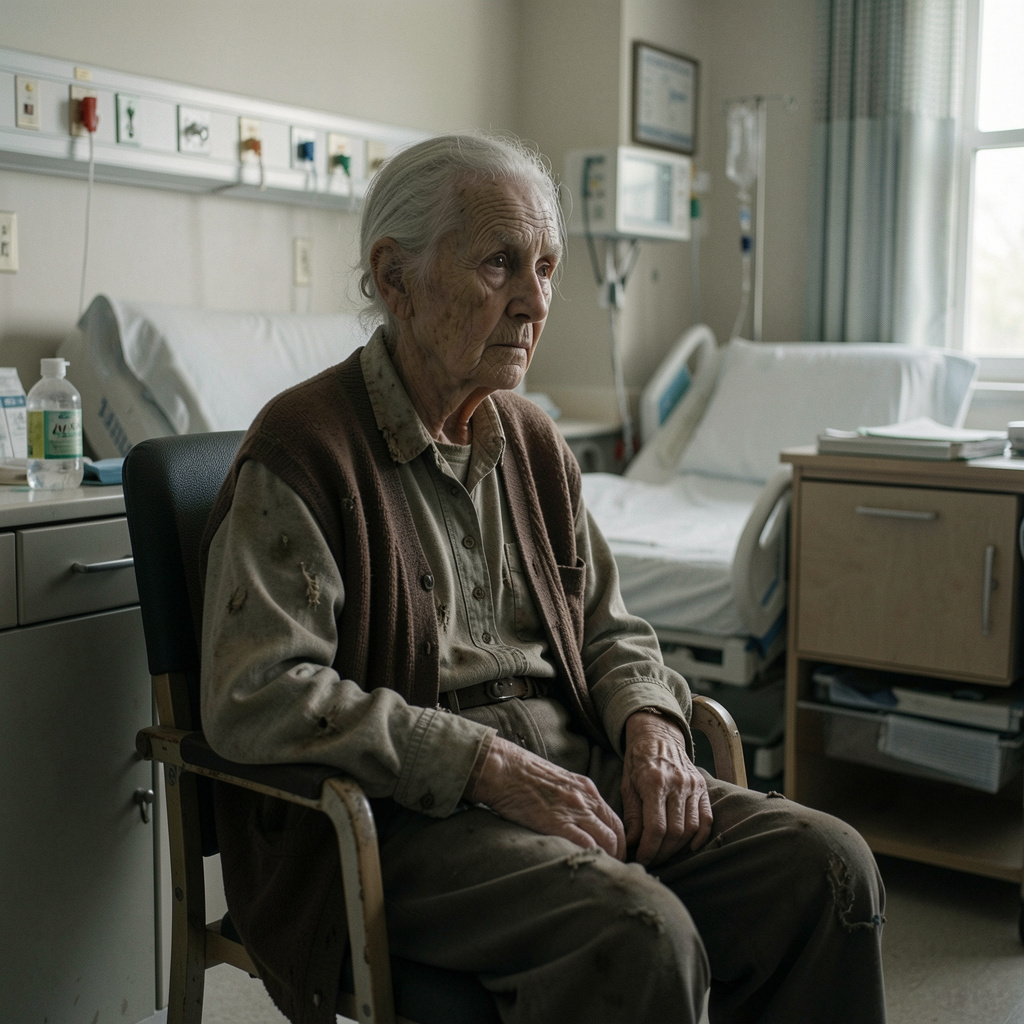
The complicated mental illness known as schizophrenia has an impact on a person’s thoughts, emotions, and behavior. While it is often associated with younger individuals, schizophrenia can also occur or persist into later life, presenting unique challenges in older adults. Understanding schizophrenia in this age group is crucial for ensuring timely diagnosis, appropriate care, and […]
Recognizing Hidden Anxiety in Older Adults

Anxiety is often associated with younger individuals facing work stress or academic pressure, but it is also a significant concern among older adults. Unfortunately, anxiety in seniors is frequently overlooked or misunderstood. Many emotional struggles are hidden behind physical complaints, lifestyle changes, or the natural challenges associated with aging. Recognizing hidden anxiety in older adults […]
Emotional Adjustment to Empty Nest Syndrome

Empty Nest Syndrome refers to the emotional experience parents go through when their children leave home, whether for education, work, or marriage. While it is a natural life transition, it often brings unexpected feelings of loneliness, loss, and identity shift. For many parents, especially those who have centred their daily lives around caregiving, this change […]
Mental Health Challenges of Schizophrenia in Senior Citizens
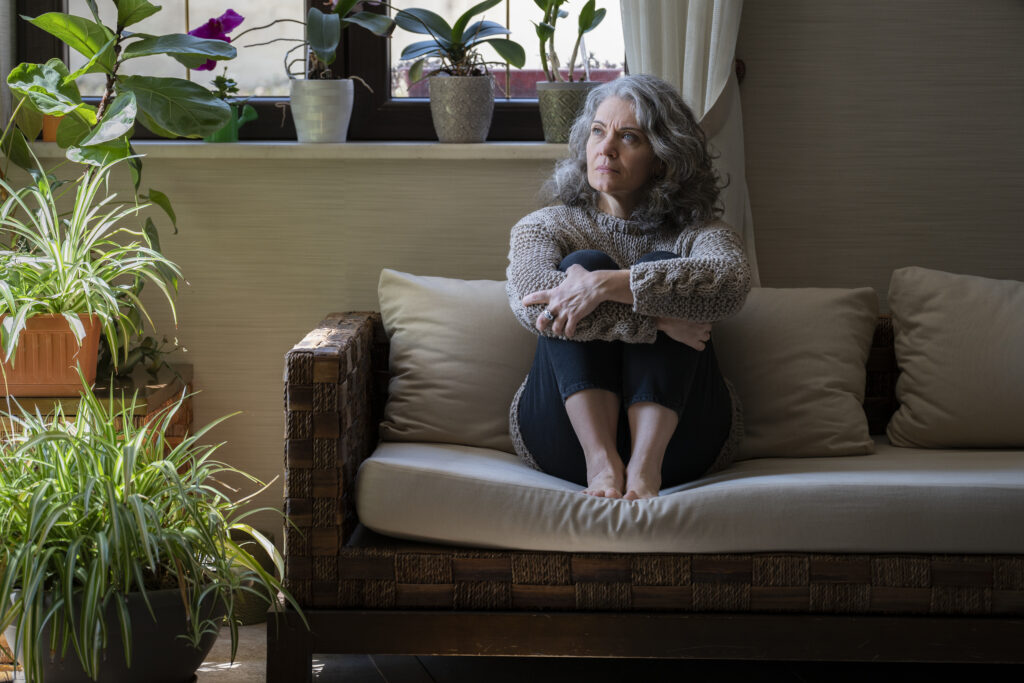
Schizophrenia is often associated with younger adults, but it can persist into older age or, in some cases, emerge later in life. In senior citizens, schizophrenia presents unique challenges due to the overlap between age-related changes and psychiatric symptoms. Hallucinations, delusions, disorganised thinking, and social withdrawal may be compounded by declining physical health, cognitive changes, […]
What Are the Emotional Effects of Mild Memory Loss?

Mild memory loss is a common experience in later adulthood and is often considered a normal part of ageing. It may include forgetting names, misplacing items, or taking longer to recall information. While these changes are usually not severe enough to interfere significantly with daily functioning, they can still have a noticeable impact on an […]
What Is Psychological Well-Being in Later Adulthood?

Later adulthood is often seen as a time of reflection, wisdom, and slower living. However, it also brings significant emotional and psychological adjustments. Retirement, health changes, loss of loved ones, and shifts in social roles can all influence how older adults perceive themselves and their place in the world. Psychological well-being in this stage is […]
Mental Health Education in Rural Communities

Mental health is an essential part of overall well-being, yet it remains one of the most neglected aspects of healthcare in many rural areas. While awareness about psychological well-being has improved in urban settings, rural communities often continue to face challenges such as a lack of information, limited access to services, stigma, and a shortage […]
How Psychotic Disorders Impact Mental Health in the Elderly?

Psychotic disorders in older adults are complex mental health conditions that significantly affect emotional well-being, cognition, and daily functioning. These disorders may include schizophrenia, delusional disorder, and psychosis related to neurocognitive conditions such as dementia. In elderly individuals, psychotic symptoms—such as hallucinations and delusions—often present differently than in younger populations and may be influenced by […]