Clean surroundings are essential for healthy communities, yet illegal waste dumping continues to threaten neighbourhoods, public spaces, and natural environments. When household, construction, plastic, or industrial waste is discarded in unauthorised locations, it can contaminate soil and water, attract pests, create unpleasant odours, and contribute to air pollution. The consequences extend beyond environmental damage and can affect physical health, psychological well-being, and community life. Addressing illegal dumping therefore requires responsible waste management, public awareness, effective enforcement, and active participation from individuals, communities, and organisations.
Understanding Illegal Waste Dumping
Illegal waste dumping refers to disposing of waste in locations that are not authorised for collection, treatment, recycling, or disposal. It may occur on vacant plots, roadsides, drains, waterways, parks, or other public and private spaces.
The problem can arise from inadequate waste collection, lack of awareness, convenience, poor enforcement, or attempts to avoid disposal costs. Regardless of the reason, unmanaged waste can gradually transform clean community spaces into environmental and health hazards.
How Improper Disposal Affects Communities
Waste dumped in open areas can block drainage systems and contribute to waterlogging during rainfall. Plastics and other materials may enter rivers, lakes, and groundwater, while decomposing organic waste can attract insects and rodents.
Burning accumulated waste is another concern. Open burning can release smoke and harmful pollutants, potentially affecting respiratory health and surrounding air quality. Communities located close to unmanaged dumping sites may therefore face repeated exposure to environmental hazards.
These conditions can also influence people’s sense of safety and comfort. Living near an unpleasant or polluted environment may contribute to Handling daily pressures, particularly when residents feel that their surroundings are neglected or that their concerns are not being addressed.
Environmental Effects
Illegal dumping can have long-term consequences for ecosystems. Plastic waste can persist in the environment for extended periods, while chemicals and other hazardous materials may contaminate soil and water.
Animals can also be affected when they consume waste or become trapped in discarded materials. Waste entering waterways can damage aquatic ecosystems and contribute to broader environmental degradation.
Keeping waste away from natural areas is therefore not simply a matter of appearance. It is an important part of protecting ecosystems and maintaining healthier living environments.
Risks to Physical Well-Being
Poor waste management can create conditions that support the spread of pests and disease. Stagnant water, decomposing waste, and discarded containers may provide breeding grounds for mosquitoes and other insects.
Sharp objects, broken glass, contaminated materials, and improperly discarded chemicals can also cause injuries. Communities need appropriate collection systems and safe disposal practices to minimise these risks.
Individual habits that focus on Improving overall physical well-being are more effective when supported by a clean and safe environment. Environmental health and personal health are closely connected.
Psychological and Social Consequences
The effects of illegal dumping are not limited to physical hazards. Persistent exposure to neglected surroundings can influence people’s emotional experiences of their neighbourhood.
Residents may experience frustration, helplessness, or emotional worry management challenges when they repeatedly see waste accumulating despite complaints or cleanup efforts. Community disagreement may also arise when residents have different views about responsibility for maintaining shared spaces.
Community clean-up activities, awareness programmes, and constructive communication can help restore a sense of ownership. Practising mindful awareness techniques can also encourage individuals to become more attentive to their surroundings and make environmentally responsible choices.
Encouraging Responsible Waste Practices
Preventing illegal dumping requires action at multiple levels. Individuals can begin by separating recyclable and non-recyclable materials, using authorised collection services, avoiding single-use products where practical, and disposing of hazardous waste through appropriate channels.
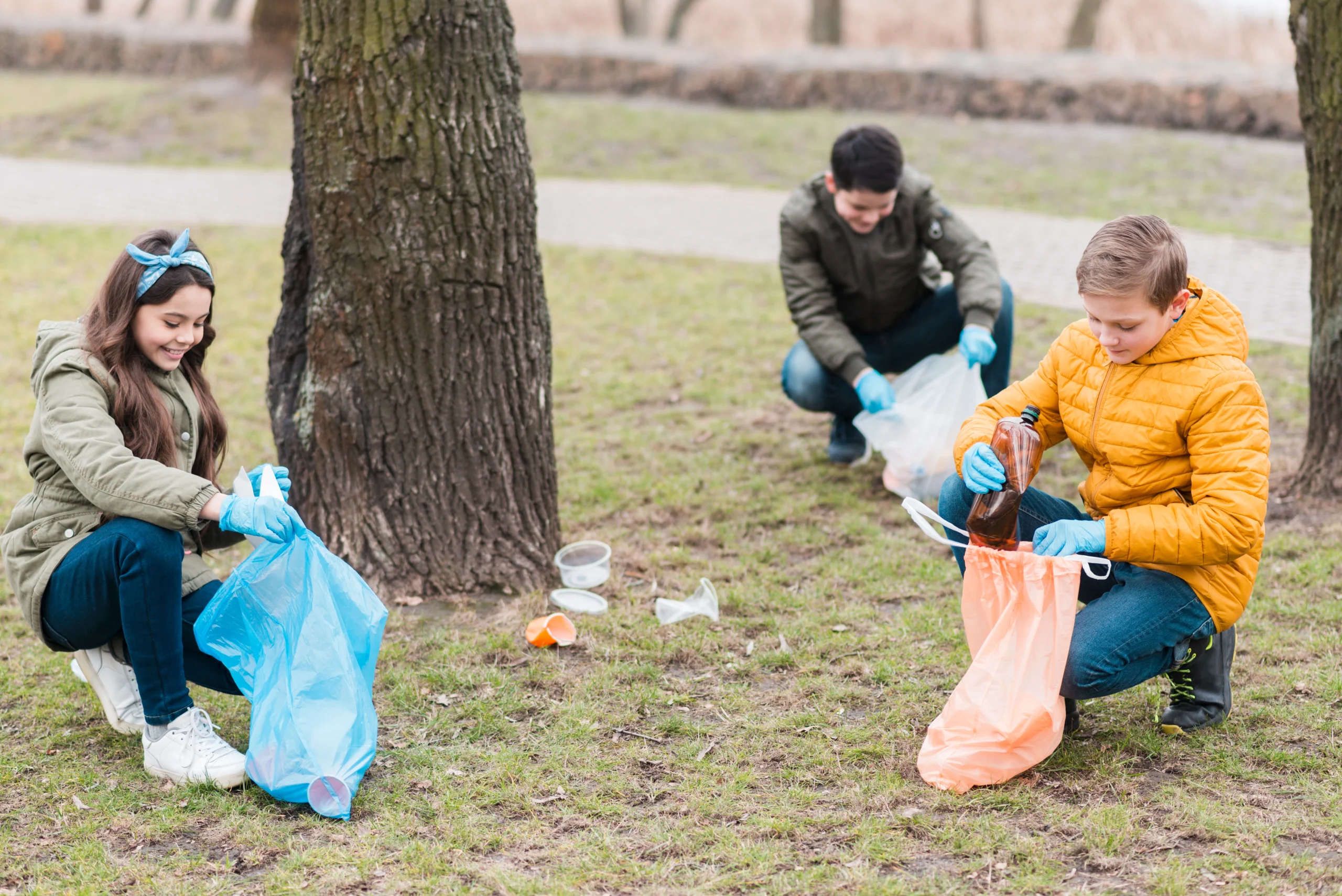
Communities can organise awareness drives, report illegal dumping to relevant authorities, and participate in local cleanliness initiatives. Schools and colleges can incorporate environmental education into activities that help young people understand the consequences of waste mismanagement.
Families can also discuss environmental responsibility at home. Planning meaningful future targets can include setting practical household goals such as reducing waste, reusing materials, composting suitable organic waste, and participating in community cleanliness activities.
Building Community Responsibility
Long-term improvement requires more than occasional clean-up drives. Communities need reliable waste collection, accessible disposal facilities, recycling opportunities, public education, and consistent enforcement.
Local authorities can strengthen waste-management systems by identifying dumping hotspots, improving collection schedules, installing appropriate infrastructure, and responding promptly to complaints. Clear signage and community education can further discourage unauthorised disposal.
Residents also have an important role. Managing feelings effectively can help people respond constructively when environmental problems cause frustration, allowing concerns to be communicated through appropriate channels rather than through conflict.
The Role of Organisations and Social Initiatives
Community organisations can help bridge the gap between awareness and action. A Non-profit organisation can conduct educational programmes, cleanliness campaigns, volunteer activities, and environmental awareness initiatives.
The Global Development Foundation (GDF) can contribute to community-focused development by promoting awareness, participation, and responsible practices that support healthier communities. As a Top NGO of India, GDF’s broader social-development approach can complement efforts aimed at improving environmental awareness and community well-being.
Such initiatives can encourage residents to view clean surroundings as a shared responsibility rather than an issue that belongs only to municipal authorities.
Creating Sustainable Habits
Sustainable waste management begins with everyday choices. Reducing unnecessary consumption, reusing products, separating waste, recycling appropriately, and using authorised disposal systems can collectively reduce the amount of waste entering public spaces.
Communities can also encourage neighbourhood monitoring and reporting systems. When residents, authorities, educational institutions, businesses, and social organisations work together, environmental problems can be identified and addressed more effectively.
A clean neighbourhood can encourage greater community participation, strengthen civic responsibility, and create spaces where people feel comfortable spending time outdoors.
Conclusion
Illegal waste dumping is an environmental issue with consequences for public health, community well-being, and the quality of shared spaces. Preventing it requires responsible individual behaviour, effective waste-management systems, environmental education, community participation, and appropriate enforcement. TalktoAngel can support individuals experiencing emotional difficulties associated with stressful environmental or community circumstances. Psychowellness Center provides professional psychological support that can help individuals and families manage emotional concerns and strengthen coping skills. Global Development Foundation (GDF) can contribute to community awareness and social-development initiatives that encourage healthier, cleaner, and more responsible communities. Ultimately, clean surroundings are created through collective responsibility, and every responsible disposal decision can contribute to a safer and healthier future.
Frequently Asked Questions
1. What is illegal waste dumping?
Illegal waste dumping is the disposal of waste in unauthorised locations such as roadsides, vacant land, drains, waterways, or public spaces instead of approved collection or disposal facilities.
2. How can illegal dumping affect health?
Accumulated waste can attract insects and rodents, contaminate soil and water, create physical hazards, and contribute to unhealthy air when waste is burned. These conditions can increase risks to community health.
3. What can individuals do to prevent illegal dumping?
Individuals can separate waste, use authorised collection and disposal services, reduce unnecessary consumption, recycle where appropriate, and report illegal dumping to relevant local authorities.
4. How can communities address illegal dumping?
Communities can organise awareness campaigns, cleanliness drives, educational activities, and appropriate reporting mechanisms while working with local authorities to improve waste collection and enforcement.
Dr. R. K. Suri, Clinical Psychologist & Life Coach, and Mr. Harshit Vaid, Counselling Psychologist.
References
https://www.psychowellnesscenter.com/Blog/environment-and-its-affect-on-our-mental-health
United Nations Environment Programme. (2024). Global waste management outlook 2024: Beyond an age of waste—Turning rubbish into a resource. United Nations Environment Programme.
World Health Organization. (2019). Healthy environments for healthier populations: Why do they matter, and what can we do? World Health Organization.
World Health Organization. (2022). Compendium of WHO and other UN guidance on health and environment. World Health Organization.
World Bank. (2018). What a waste 2.0: A global snapshot of solid waste management to 2050. World Bank.