
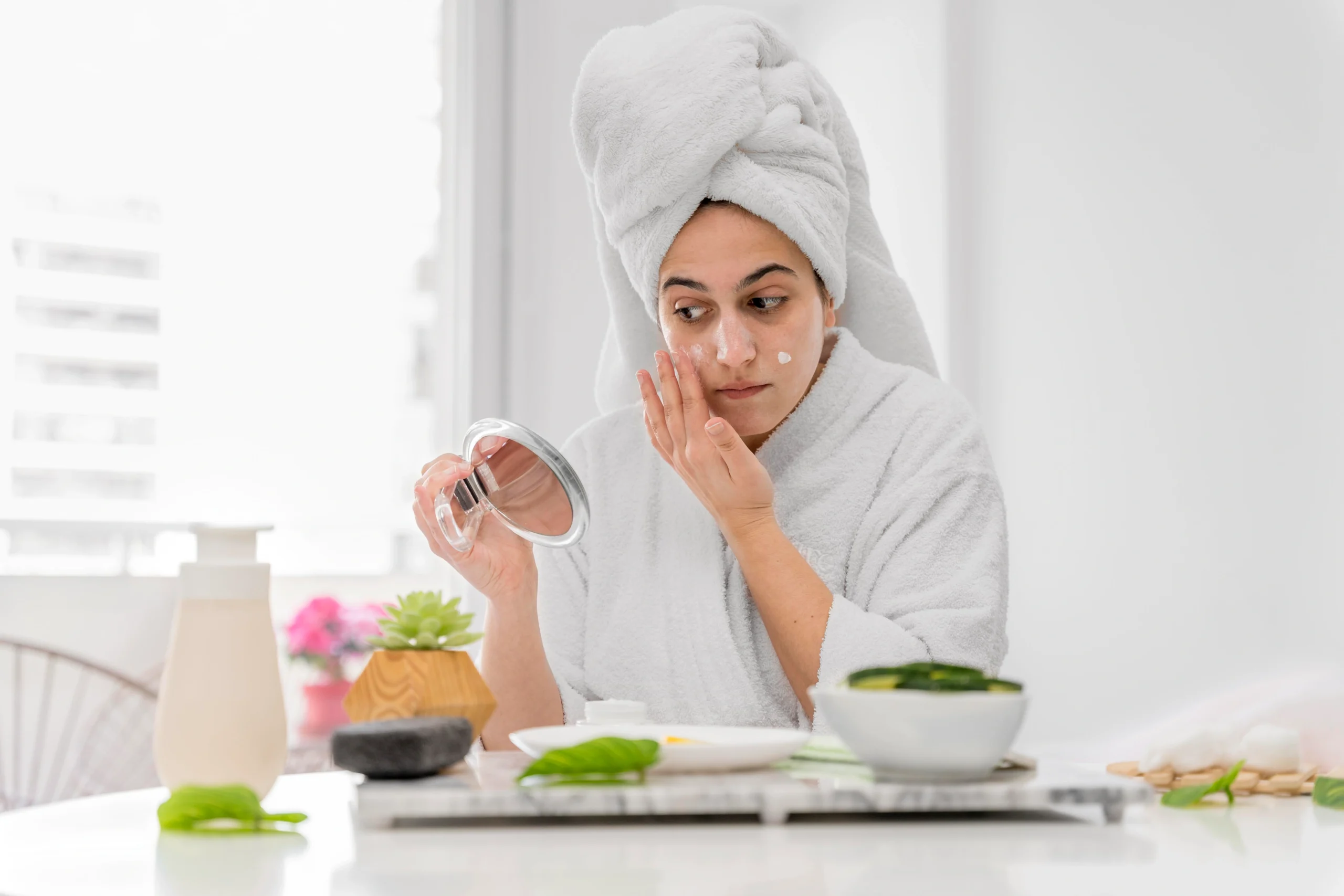
Skincare has become much more than washing your face and applying moisturiser. With endless serums, toners, exfoliators, masks and treatments available, it is easy to believe that healthy skin requires a complicated routine. However, increasing the number of items can occasionally lead to more issues than answers. A simpler routine can be easier to maintain, gentler on the skin and less expensive. Dermatologists commonly recommend building skincare around a few essentials: gentle cleansing, moisturising and sun protection. Additional products should have a clear purpose rather than simply filling up your shelf.
The same principle can apply to our relationship with self-care. When life already feels overwhelming, a complicated routine can become another responsibility. Creating simple, sustainable habits can make personal care feel supportive rather than demanding, especially when Managing Emotional Distress becomes part of everyday life.
Why might it be harmful to use too many skincare products?
The skin has a protective barrier that helps retain moisture and protect against environmental irritants. Excessive cleansing, frequent exfoliation or combining several powerful active ingredients may interfere with this barrier and cause irritation.
The following are indicators that your routine could be overdoing it:
- Persistent dryness or flaking
- Burning or stinging
- Redness
- Increased sensitivity
- Unexpected breakouts
- Tightness after cleansing
When these symptoms appear, the answer is not always another corrective product. Your skin may require more time to heal and less products at times.
How can emotional wellbeing affect your skincare habits?
Our daily routines are influenced by how we feel. During periods of anxiousness, for example, some people may repeatedly check their appearance, search for new skincare solutions or constantly change products because they are worried about imperfections.
On the other hand, emotional wellbeing can also make self-care difficult. When someone is experiencing stress, they may skip routines altogether because even small tasks feel exhausting. A practical skincare routine should therefore be simple enough to continue during busy or emotionally demanding periods. The goal is not perfection. Consistency matters more than having a ten-step routine that you can follow only occasionally. Setting realistic expectations can also support Planning Personal Objectives without making personal care feel overwhelming.
What are the essential steps for healthier skin?
It’s surprising how brief a simple skincare regimen can be.
1. Cleanse gently
Use a suitable cleanser to remove dirt, excess oil, sunscreen and makeup. Avoid aggressive scrubbing, very hot water and cleansers that leave your face feeling excessively tight.
2. Moisturise regularly
Moisturiser helps support the skin barrier and maintain hydration. Ingredients such as ceramides, glycerin and hyaluronic acid may be useful depending on your skin’s needs.
3. Protect your skin from the sun
During the day, use a broad-spectrum sunscreen with an SPF of at least 30. Regular sun protection is one of the most important habits for reducing sun damage and protecting long-term skin health.
These three steps can form the foundation of a routine before you consider adding anything else.
How can you create a regimen that doesn’t overburden your skin?
Start slowly rather than changing everything at once.
Step 1: Identify your main concern.
Are you trying to manage dryness, acne, pigmentation, sensitivity or simply maintain healthy skin?
Step 2: Establish the basics.
Give your skin time to adjust to cleansing, moisturising and sunscreen before introducing additional treatments.
Step 3: Add one targeted product if necessary.
If you have a specific concern, introduce one suitable product rather than several new actives simultaneously.
Step 4: Observe your skin.
Pay attention to changes in dryness, redness, breakouts or sensitivity.
Step 5: Simplify whenever necessary.
If your skin becomes irritated, temporarily reducing your routine may be more helpful than adding another treatment. Keeping expectations realistic can prevent Reduced Drive Levels when visible results take time.
Can skincare become emotionally exhausting?
Absolutely. Constantly comparing your skin with edited photographs, influencer routines or unrealistic beauty standards can create frustration when your appearance does not change as quickly as expected. Pores, roughness, wrinkles, and sporadic flaws are all inherent to skin. Even effective products require time to produce noticeable changes, and not every product works for every person.
Rather than inquiring, “Why is my skin not flawless?” ask, “Is my routine helping my skin remain comfortable and healthy?” That shift can make skincare more realistic and sustainable while encouraging Personal Growth Practices focused on self-acceptance rather than perfection.
Should you exfoliate every day?
For most people, daily exfoliation is unnecessary. Over-exfoliating can contribute to irritation, dryness and sensitivity. If your skin is already peeling, burning or feeling unusually sensitive, consider taking a break from exfoliating products and focus on gentle cleansing and moisturising.
People with acne, pigmentation or other persistent concerns may benefit from specific treatments, but these should be selected carefully. The right ingredients and frequency for your skin type can be determined with the assistance of a dermatologist.
How can you introduce new products safely?
Trying several products simultaneously makes it difficult to identify the cause if your skin reacts. The American Academy of Dermatology Association recommends testing skincare products on a small area before using them more broadly. A new product can be introduced gradually so that you can observe how your skin responds.
This approach is particularly useful for people whose skin becomes reactive easily. Also remember that “natural” does not automatically mean irritation-free. Fragrances and botanical ingredients can cause reactions in some individuals.
Can skincare become a form of healthy self-care?
Yes, but self-care should not become another source of pressure. During periods of sadness, people may lose motivation for ordinary routines, including personal care. Having a short and manageable skincare ritual can provide a small moment of comfort without requiring a major time commitment.
For some individuals, washing the face, applying moisturiser and taking a few quiet minutes before bed can become a calming transition between a busy day and rest. The emphasis should be on care rather than correction, while Building Personal Connections can provide additional emotional support.
What does emotional regulation have to do with self-care?
Self-care does not replace professional mental-health treatment, but predictable routines can contribute to a sense of structure. Practising emotional regulation can involve recognising feelings, creating healthy coping strategies and maintaining supportive daily habits.
A simple skincare routine can be one small part of that broader approach. It should complement not replace appropriate psychological or medical support when needed.
Can a simpler routine also be more sustainable?
Yes. Buying fewer products can reduce unnecessary spending and prevent partially used bottles from accumulating.
Before purchasing something new, ask:
- What specific concern does this product address?
- Do I already own something that performs a similar function?
- Does my skin actually need another active ingredient?
- Can I realistically use it consistently?
- Am I buying it because I need it or because it is trending?
Responsible consumption can also connect with broader conversations around Sustainable Development in India, particularly the importance of thoughtful consumption and community wellbeing.
If you are searching for an Ngo near me, consider organisations that work transparently on health, education, environmental responsibility or social development. Across different sectors, non governmental organizations in india contribute to community-based initiatives that can support healthier and more sustainable communities.
What if skincare problems are affecting your social life?
Persistent skin concerns can sometimes affect confidence and encourage social isolation, particularly when someone worries about being judged because of acne, scarring, pigmentation or other visible concerns.
Remember that a skin condition is not a measure of your worth. Concerns about appearance may also contribute to Worry About Missing Experiences, especially when someone avoids social situations because of how they feel about their skin.
What should your simple routine look like?
A practical starting point could be:
Morning
- Gentle cleanser
- Moisturiser
- Broad-spectrum SPF 30+ sunscreen
Evening
- Gentle cleanser
- Moisturiser
- One targeted treatment, if genuinely needed and tolerated
You do not need to use every product available. Your routine should fit your skin, lifestyle and comfort level.
Conclusion
Healthy skincare is not about having the longest routine or owning the most products. It is about understanding what your skin needs and giving it consistent, gentle care. Start with the basics. Introduce additional products slowly, avoid unnecessary combinations of active ingredients and seek professional advice when persistent skin problems do not improve. Most importantly, allow skincare to become an act of nourishment rather than another standard you have to meet.
Psychowellness Center supports holistic wellbeing through professional psychological counselling and mental-health services. Global Development Foundation (GDF) works toward community wellbeing through initiatives focused on health, care, empowerment and social development. For those seeking psychological support, TalktoAngel, an online platform for counseling, provides access to professional mental-health support. A simpler routine can be easier on your skin, your schedule and your budget. Start with what you genuinely need, and let consistency not complexity guide your skincare journey.
Contribution: Dr. R. K. Suri, Clinical Psychologist & Life Coach, and Ms. Tanu Sangwan, Counseling Psychologist.
References
https://www.psychowellnesscenter.com/Blog/creating-a-self-care-routine-while-having-busy-schedules
https://www.psychowellnesscenter.com/Blog/how-to-set-a-routine-for-good-mental-health
American Academy of Dermatology Association. (n.d.). How to test skin care products. https://www.aad.org/public/everyday-care/skin-care-secrets/prevent-skin-problems/test-skin-care-products
American Academy of Dermatology Association. (n.d.). How to pick the right moisturizer for your skin. https://www.aad.org/public/everyday-care/skin-care-basics/dry/pick-moisturizer
American Academy of Dermatology Association. (n.d.). How to apply skin care products in the correct order. https://www.aad.org/public/everyday-care/skin-care-basics/care/apply-skin-care-certain-order
American Academy of Dermatology Association. (n.d.). How to choose the right sunscreen. https://www.aad.org/public/everyday-care/sun-protection/shade-clothing-sunscreen/choosing-right-sunscreen
American Academy of Dermatology Association. (n.d.). Skin care on a budget. https://www.aad.org/public/everyday-care/skin-care-basics/care/skin-care-budget