
The Role of Nutrition in Preventing Cognitive Decline

As people age, maintaining cognitive health becomes an essential part of healthy ageing. While some changes in memory and thinking are a normal part of growing older, significant cognitive decline is not inevitable. Research increasingly highlights the role of proper nutrition in supporting brain function, protecting memory, and reducing the risk of age-related cognitive disorders. […]
Life After 50 with ADHD: Myths and Realities

Attention-Deficit/Hyperactivity Disorder (ADHD) is often viewed as a condition that affects only children and young adults. However, many individuals continue to experience its symptoms well into later adulthood, while others remain undiagnosed until after the age of 50. Greater awareness and improved diagnostic practices have helped more older adults understand lifelong challenges that were previously […]
ADHD in Older Adults: Symptoms, Challenges, & Treatment

Attention-Deficit/Hyperactivity Disorder (ADHD) is often associated with children and adolescents, but research has shown that it can persist throughout adulthood and into later life. Unfortunately, ADHD in older adults remains significantly underrecognized because many individuals were never diagnosed during childhood. Instead, they may have spent decades adapting to symptoms or attributing their struggles to personality […]
Inclusive Education Practices for Students on the Spectrum

Inclusive education focuses on creating learning environments where every child, regardless of their abilities, backgrounds, or differences, feels valued, respected, and supported. For students on the autism spectrum, inclusive classrooms go beyond mere physical placement in a general education setting; they emphasise meaningful participation, engagement, and a sense of belonging. This approach involves adapting teaching […]
The Psychology Behind Childhood Defiance

Childhood defiance is a common developmental behaviour that often reflects a child’s attempt to assert independence and test boundaries. While it may appear as stubbornness or disobedience, defiance is usually rooted in a child’s growing sense of self and desire for autonomy. Understanding this behaviour requires looking beyond surface actions and considering emotional, cognitive, social, […]
ADHD and Procrastination: Understanding the Pattern

Procrastination is often misunderstood as laziness or a lack of discipline, but for many individuals, it reflects deeper cognitive, emotional, and psychological challenges. People who struggle with chronic procrastination frequently experience difficulty initiating tasks, maintaining concentration, regulating emotions, and managing competing responsibilities effectively. These struggles are especially common among individuals dealing with stress, anxiety, ADHD, […]
The Role of Play Therapy in Modern Child Counseling

In today’s fast-paced and demanding environment, children face a variety of emotional and psychological challenges. Academic stress, family conflicts, social pressures, and increasing exposure to digital media can affect their mental well-being. However, children often lack the ability to express their emotions verbally, which makes it difficult to understand their inner struggles. This is why […]
Access to Therapy in India: Urban vs Rural Divide

Mental health has increasingly become a priority in India, yet access to therapy remains uneven across the country. While urban centers are witnessing a surge in awareness, professional services, and digital mental health platforms, rural areas continue to struggle with limited resources and deep-rooted barriers. This urban–rural divide significantly impacts the mental well-being of millions […]
Helping Children Build Healthy Self-Control
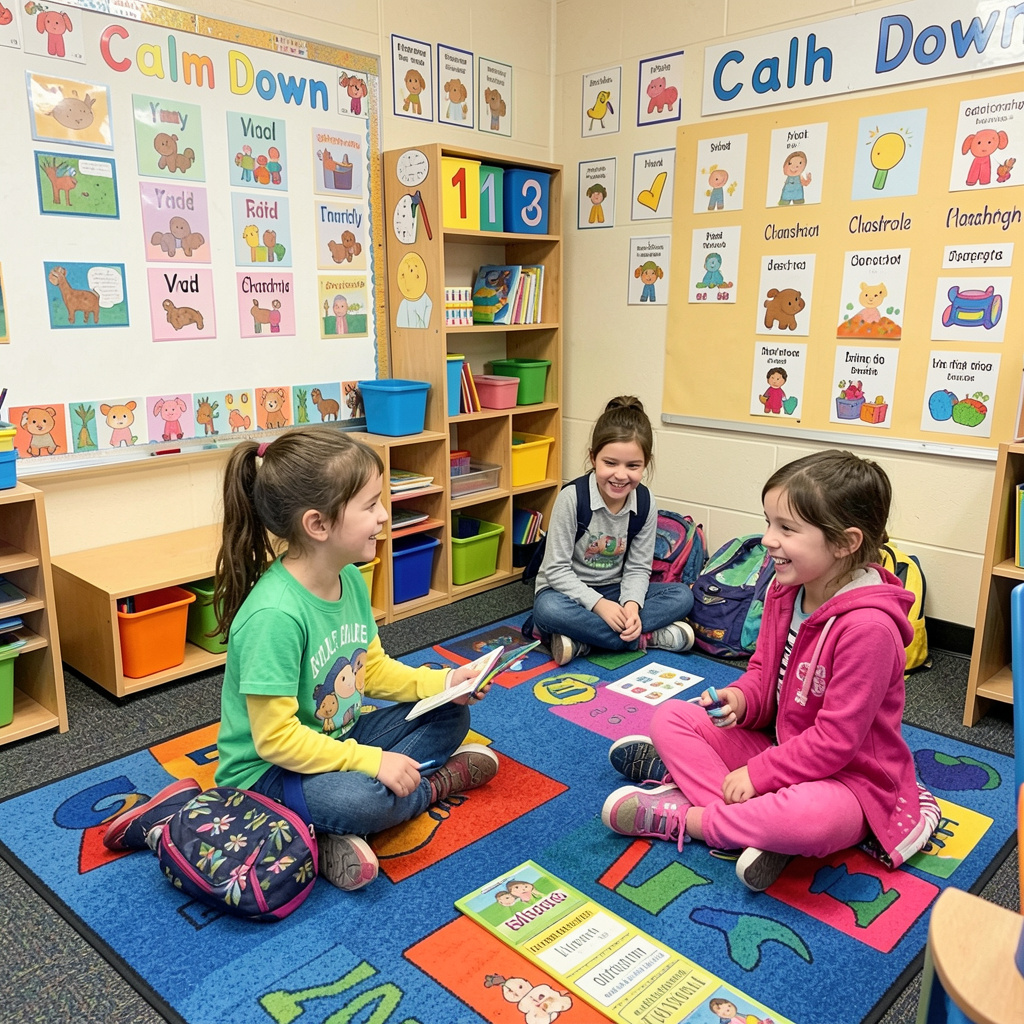
Helping children develop self-control is one of the most valuable gifts caregivers can offer. It shapes how they respond to challenges, manage impulses, and interact with others throughout life. Self-control is not something children are simply born with—it is learned gradually through consistent guidance, supportive environments, and meaningful experiences. When adults model patience, provide structure, […]
Why Predictability Helps Autistic Children Feel Safe

For autistic children, the world can often feel overwhelming, unpredictable, and difficult to navigate. Sensory sensitivities, challenges in processing social cues, and difficulty with sudden changes or transitions can create anxiety and confusion in daily life. In such situations, predictability plays a very important role by offering structure, stability, and a sense of safety. When […]