
The Role of Consistency in Positive Parenting

Parenting is one of the most influential roles in shaping a child’s future. The way parents interact, guide, and support their children significantly impacts their emotional, social, and cognitive development. Positive parenting, which focuses on empathy, respect, and communication, has gained widespread recognition for fostering healthy relationships between parents and children. However, one of the […]
Why Some Children Struggle with Emotional Expression

Emotional expression is a crucial part of a child’s overall development. It allows children to communicate their feelings, build relationships, and navigate the world around them. However, not all children find it easy to express what they feel. Some may appear withdrawn, overly aggressive, or confused about their own emotions. Understanding why this happens is […]
Recognizing Hidden Anxiety in Older Adults

Anxiety is often associated with younger individuals facing work stress or academic pressure, but it is also a significant concern among older adults. Unfortunately, anxiety in seniors is frequently overlooked or misunderstood. Many emotional struggles are hidden behind physical complaints, lifestyle changes, or the natural challenges associated with aging. Recognizing hidden anxiety in older adults […]
The Role of Structured Learning in Autism Support
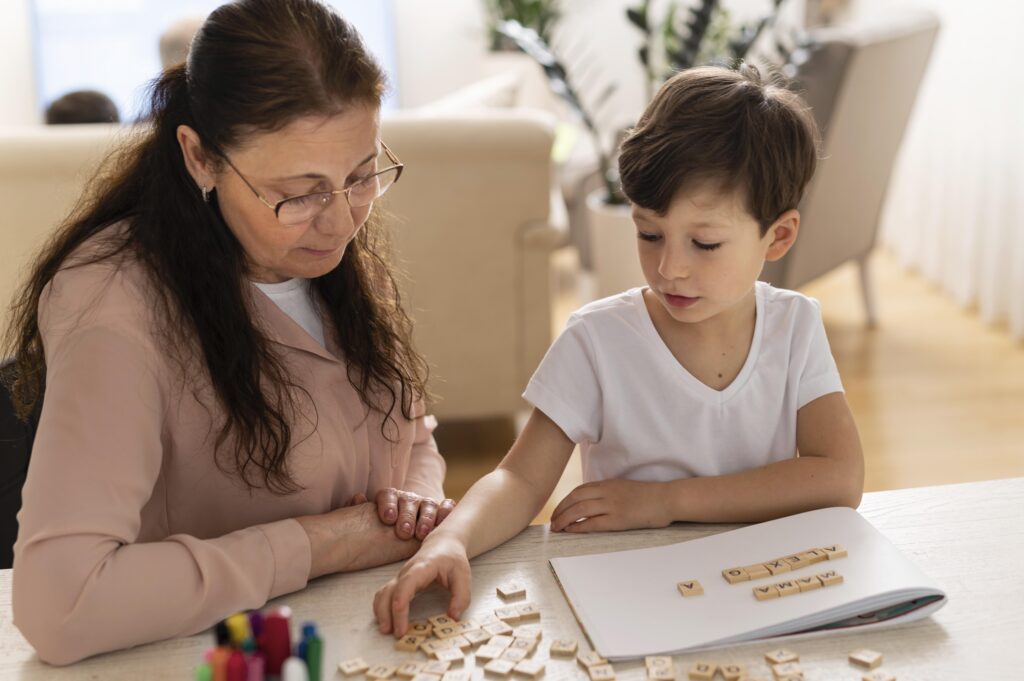
Communication, conduct, and social interaction are all impacted by autism spectrum disorder (ASD), a neurodevelopmental disorder. Each individual with autism has unique strengths and challenges, making personalized support essential. Among the various intervention approaches, structured learning has emerged as one of the most effective methods in supporting individuals with autism. It provides predictability, organization, and […]
Memory Decline and Self-Esteem in Older Adults

Aging is a natural process that brings about several physical, emotional, and cognitive changes. Among these, memory decline is one of the most common concerns experienced by older adults. While occasional forgetfulness is a normal part of aging, persistent memory issues can significantly impact an individual’s confidence, independence, and overall sense of self-worth. Understanding the […]
Transition Planning for Young Adults with Autism

“Growing up is not just about getting older, it’s about finding your place in the world.” For young adults with autism, this journey into adulthood can feel both exciting and overwhelming. The transition from school to independent living, higher education, or employment requires careful planning, emotional support, and structured guidance. Without the right preparation, many […]
Recognizing Delusions and Hallucinations in Aging Adults

As individuals age, changes in physical and mental health can sometimes lead to complex psychological symptoms. Among these, delusions and hallucinations are particularly concerning, as they may indicate underlying neurological or psychiatric conditions. Recognizing these symptoms early is essential for timely intervention, appropriate geriatric care, and improved quality of life for older adults. Understanding Delusions […]
Parenting Strategies for Emotionally Sensitive Children

Some children feel emotions more deeply than others- they cry easily, get overwhelmed quickly, or take things to heart. These are not signs of weakness or “overreaction,” but indicators of emotional sensitivity. Parenting an emotionally sensitive child requires patience, understanding, and a different approach, one that nurtures their emotional depth while helping them build resilience. […]
Social Communication Challenges in Adolescents on the Autism Spectrum
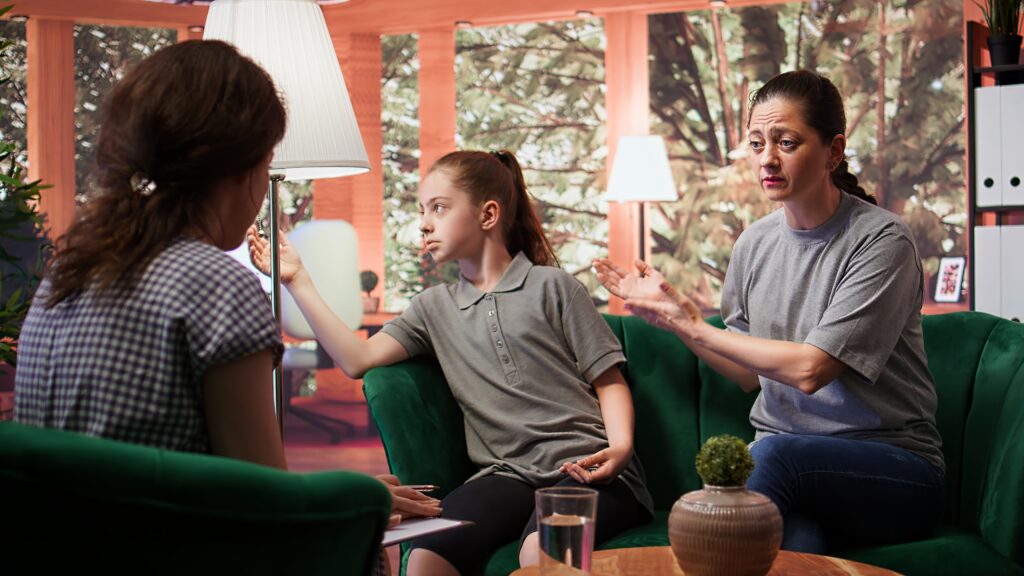
Adolescence is a critical period of social, emotional, and psychological development. It is a time when individuals begin to form deeper friendships, navigate complex social norms, and establish their identity. However, for adolescents on the autism spectrum, this phase can present unique and often overwhelming challenges, particularly in the area of social communication. Autism Spectrum […]
Organisation Skills Training for Children with ADHD
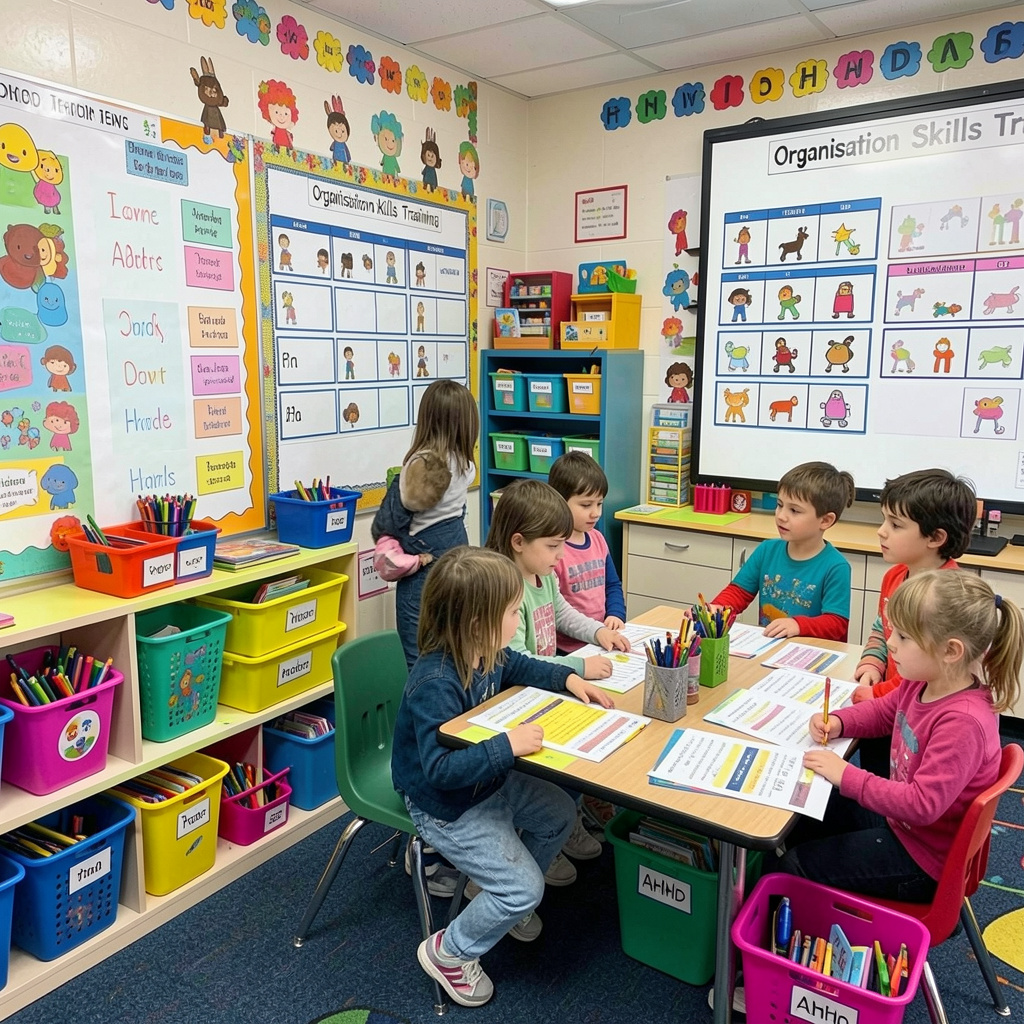
“I forgot… I didn’t know where to start… I lost it again.” These are not excuses; these are everyday realities for children with ADHD. Behind missed homework, messy school bags, and incomplete tasks often lies a deeper struggle with organisation. For these children, staying organised is not just about neatness; it’s about managing thoughts, time, […]