
A Chat About ‘GPT’ – Gratitude, Patience & Time

In today’s fast-paced world, the word GPT is commonly associated with artificial intelligence and technology. However, beyond its technological meaning, GPT can also represent three powerful qualities that can improve our emotional well-being and the way we experience life: Gratitude, Patience, and Time. These three straightforward words convey a significant message. A lot of the […]
Growing a Greener Future: Why Every Tree Makes a Difference
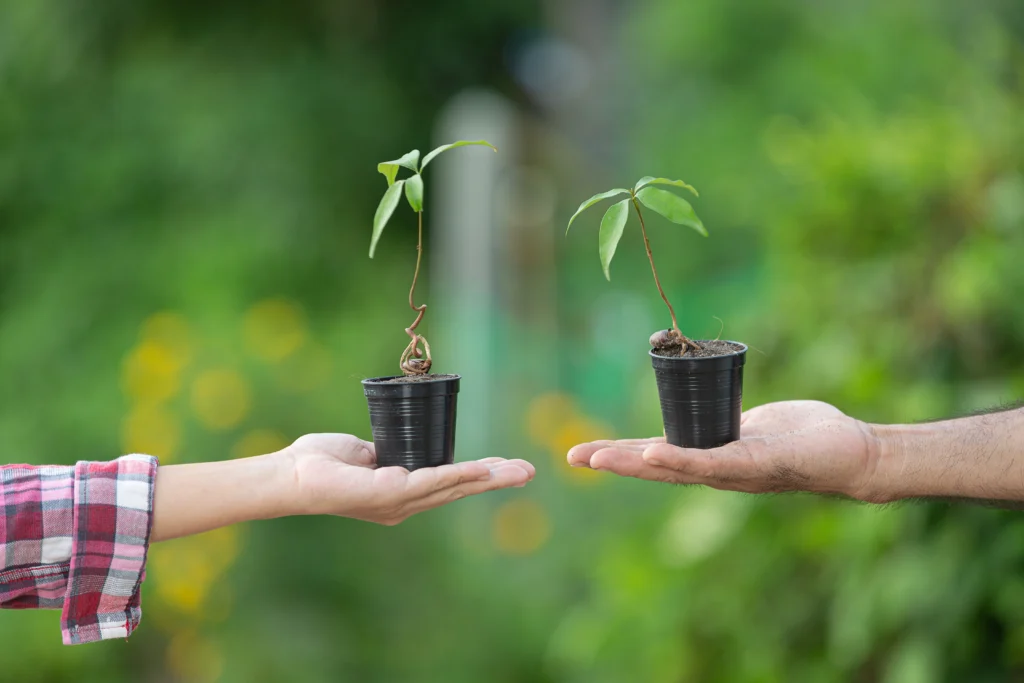
A tree may appear to be a simple part of the landscape quietly standing beside a road, growing in a school courtyard, or providing shade in a neighbourhood park. Yet behind that simplicity lies an extraordinary network of benefits. Trees influence air quality, temperature, biodiversity, water systems, community life, and even our emotional well-being. In […]
Knee Pain in Elderly: Causes, Exercises, and When to See a Physiotherapist
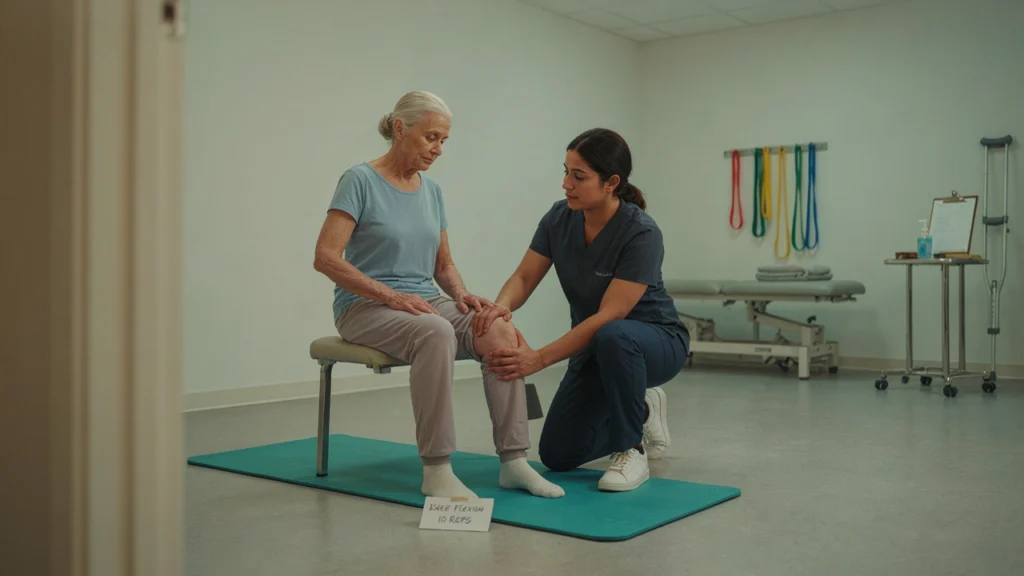
Knee pain is a common concern among older adults and can significantly affect everyday life. Simple activities such as walking, climbing stairs, standing from a chair, or going outside can become difficult when knee pain or stiffness increases. Although some knee discomfort can be associated with normal aging, persistent or severe pain should not simply […]
Lessons from a Long Life: Everyday Habits That Support Healthy Aging
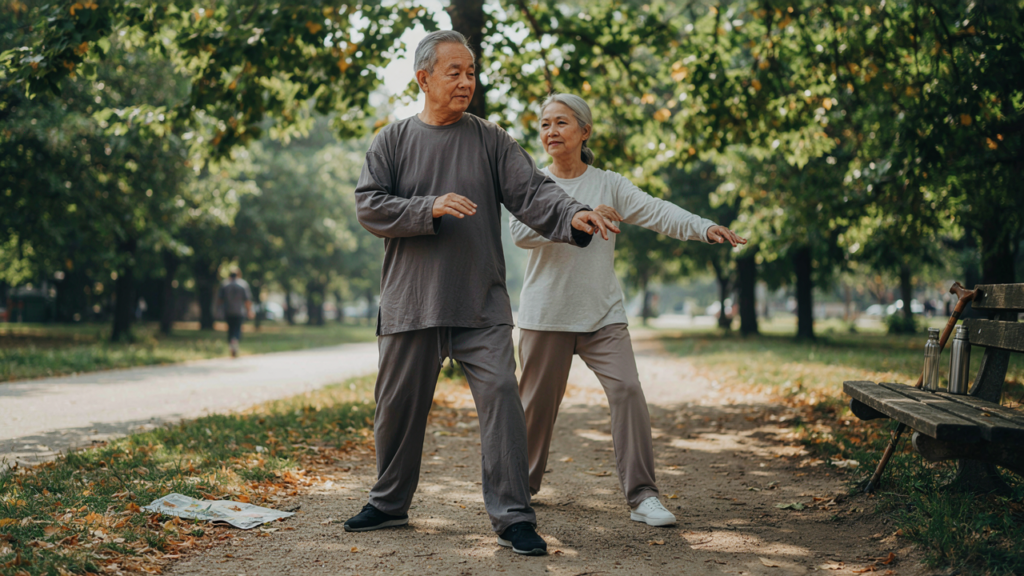
Have you ever wondered why some people seem to grow older with ease, staying sharp, active, and content well into their 80s and beyond? The answer usually isn’t luck or genetics alone. It’s a set of small, consistent habits practiced over decades. This blog explores the everyday routines that genuinely support healthy aging, from caring […]
Protecting Healthcare Equipment: Smart Maintenance for Tropical Conditions
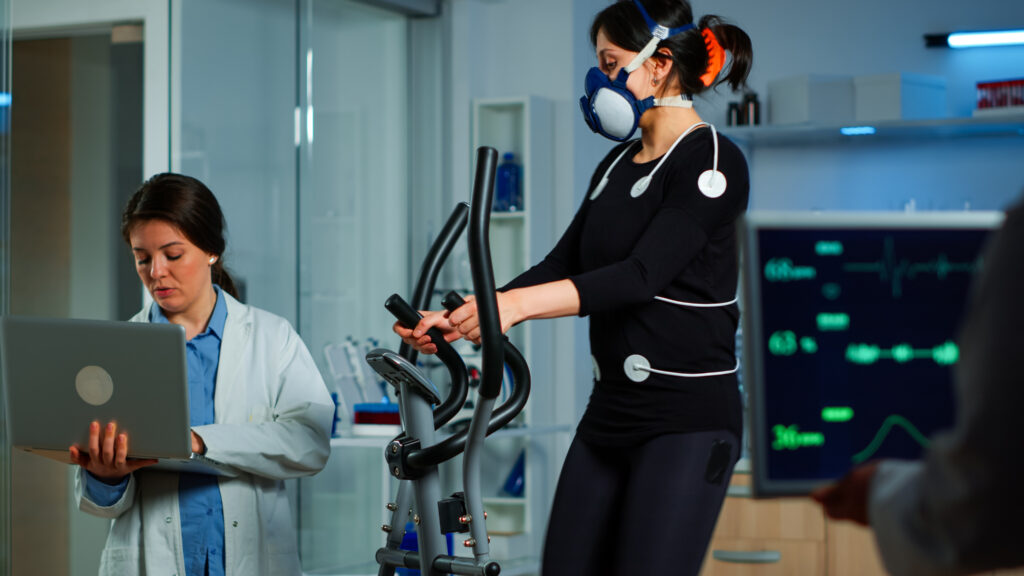
Healthcare equipment is the silent backbone of modern patient care. From oxygen concentrators and ventilators to diagnostic machines, refrigerators, monitors, laboratory instruments, and sterilization systems, these devices support healthcare professionals at every stage of diagnosis and treatment. Yet in tropical and humid regions, equipment faces environmental pressures that can quietly shorten its working life. High […]
Small Green Choices, Big Healing: Everyday Habits for a Healthier Life

Introduction A healthier life does not always begin with an expensive fitness programme, a strict diet, or a dramatic lifestyle transformation. Sometimes, it begins with something much smaller: walking instead of driving for a short distance, carrying a reusable bottle, choosing seasonal food, switching off unnecessary lights, spending a few minutes around plants, or simply […]
The Benefits of Resistance Training for Seniors
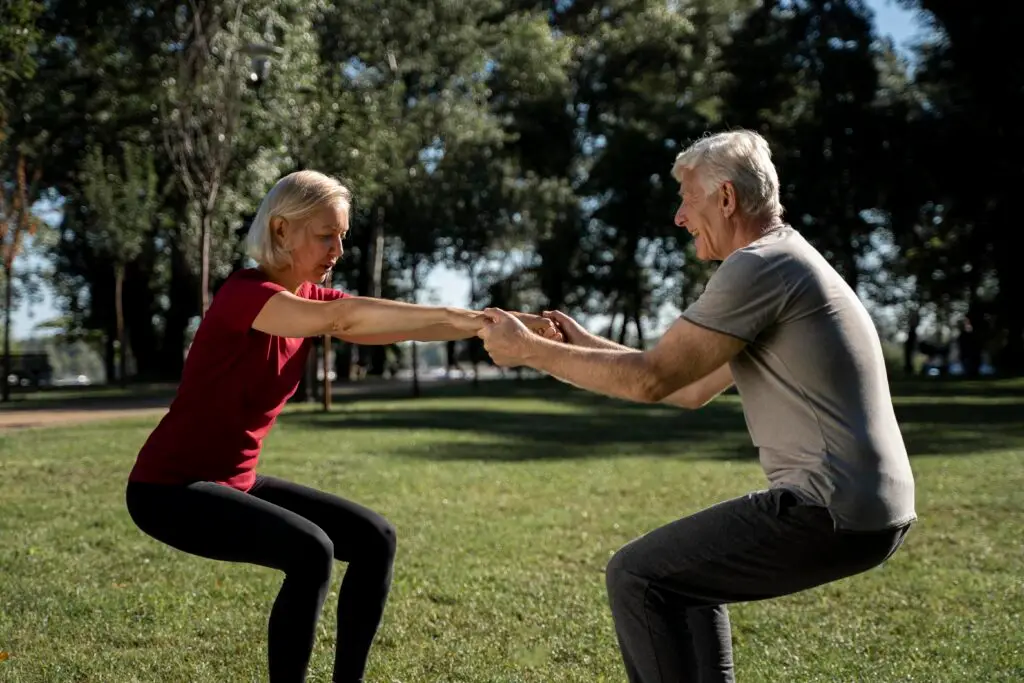
Ageing is a natural process, but growing older does not mean giving up strength, independence, or an active lifestyle. As people age, muscle mass, bone density, balance, and physical endurance can gradually decline. These changes may make everyday activities such as climbing stairs, carrying groceries, getting up from a chair, or walking outdoors more challenging. […]
Financial Independence & Mental Well-being in Older Adults

Financial independence plays a vital role in ensuring a secure, dignified, and fulfilling life for older adults. While aging often brings changes such as retirement, reduced income, or increased healthcare expenses, maintaining financial stability helps seniors preserve their confidence, autonomy, and emotional well-being. Beyond meeting daily needs, financial independence provides a sense of control over […]
How Gratitude & Positive Psychology Promote Healthy Aging
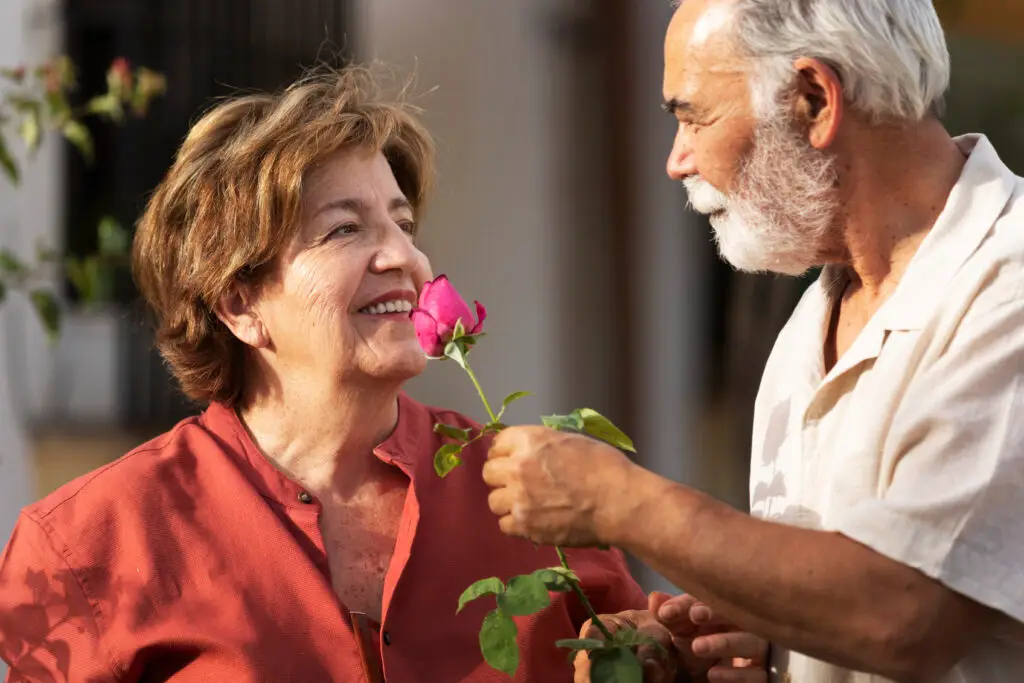
Aging is a journey filled with new experiences, achievements, and life transitions. While growing older often brings physical and emotional challenges, it also offers opportunities for wisdom, resilience, and personal growth. In recent years, researchers have highlighted the importance of positive psychology and gratitude in promoting healthy aging. Rather than focusing solely on illness or […]
Why Routine & Daily Structure Are Essential for Older Adults
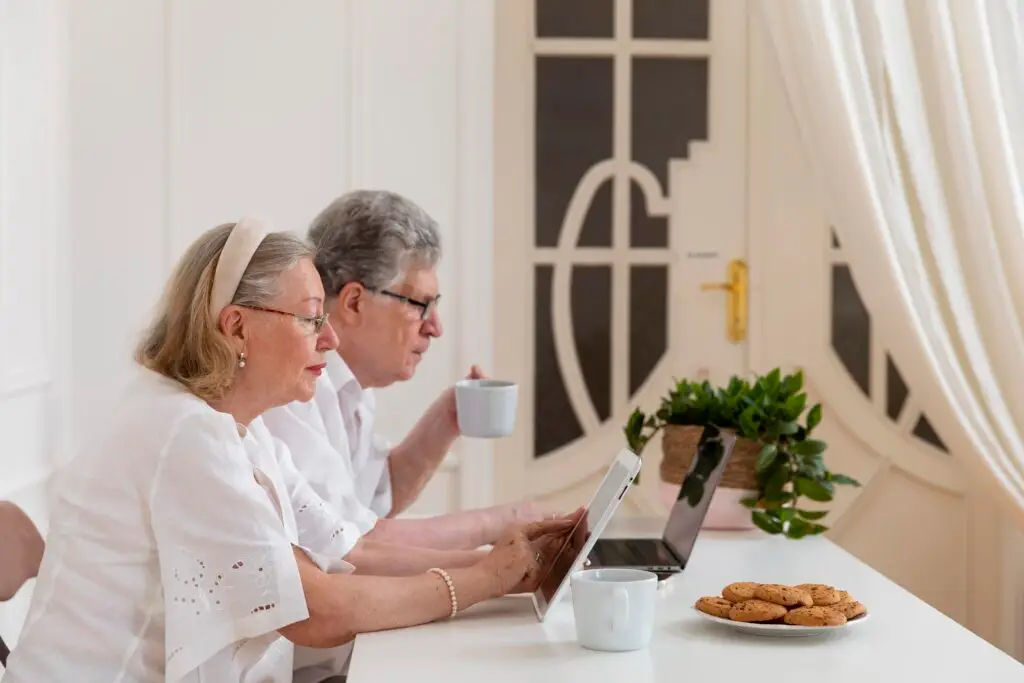
As people grow older, maintaining a sense of stability and purpose becomes increasingly important for both physical and mental well-being. Retirement, changes in health, the loss of loved ones, or reduced social interaction can sometimes disrupt an older adult’s daily life, leading to feelings of loneliness, anxiety, or confusion. Establishing a consistent routine provides structure, […]