
Occupational Therapy in Long-Term Elderly Care Settings

As populations age globally, the demand for long-term elderly care continues to rise. Older adults living with chronic illnesses, physical limitations, cognitive decline, or reduced independence often require sustained support that goes beyond medical treatment. In these settings, occupational therapy plays a vital role in enhancing quality of life, preserving dignity, and promoting functional independence. […]
Home Modifications for Safe Aging in Place

Aging is a natural stage of life, and many older adults prefer to remain in the comfort of their own homes rather than relocate to assisted living facilities. Familiar surroundings provide emotional comfort, independence, and a sense of dignity. However, as people grow older, physical changes can make everyday spaces more difficult to navigate. Thoughtful […]
The Experience of Being Old: Aging from Within

Aging is often described in terms of numbers, diagnoses, or visible changes. Yet the true experience of being old is far more intimate and inward. It is shaped by memory, emotion, identity, and reflection. To understand aging from within is to look beyond physical decline and recognize the emotional and psychological realities that define later […]
The Human Side of Growing Old: Emotional Needs of Seniors

Growing old is more than a biological process; it is a deeply human experience shaped by emotions, relationships, memories, and meaning. While physical health often receives the most attention in later life, emotional well-being is just as vital. Seniors carry a lifetime of experiences, joys, regrets, losses, and wisdom, all of which influence how they […]
Aging in a Fast World: How Seniors Adapt Emotionally to Rapid Social Change

We live in a time of extraordinary speed. Technology evolves overnight, communication styles shift, workplaces transform, and family structures change faster than ever before. For older adults, this rapid social change can feel overwhelming. While younger generations may adapt more quickly, seniors often find themselves navigating unfamiliar territory—digitally, socially, and emotionally. Yet aging is not […]
Aging Without a Manual: Navigating Life Transitions After Sixty

The transition into the seventh decade of life is one of the most profound stages of aging, yet it is also the one most people are least prepared for. While society offers clear guidance for youth—building careers, raising families, and measuring success—there is little conversation about how to age with meaning after sixty. Aging is […]
The Silent Struggles of Elderly Mental Health No One Talks About
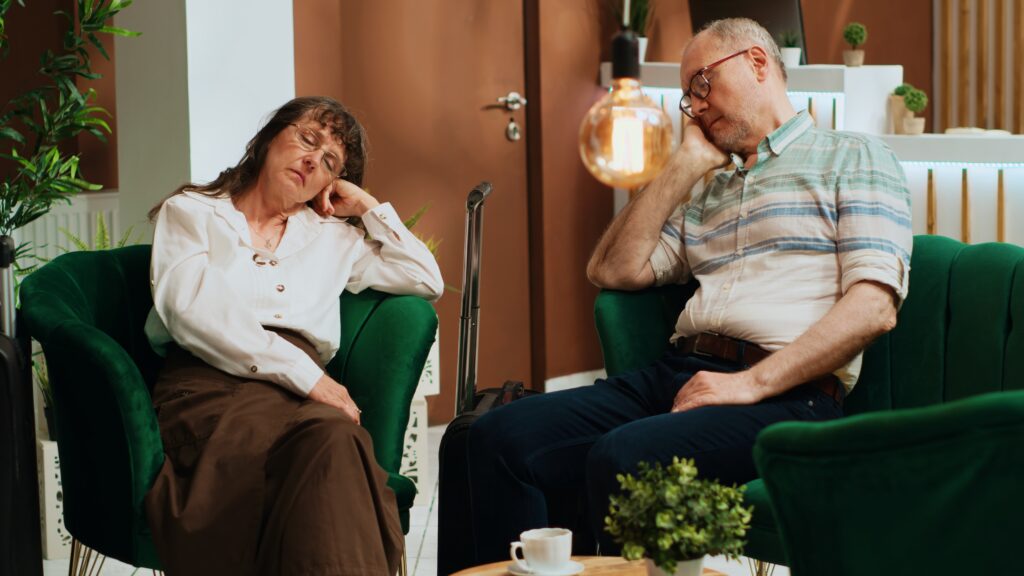
In our society, the later years of life are often envisioned as a time of peaceful slowing down—a “sunset” period defined by leisure and the absence of responsibility. However, this romanticized view often masks a much more complex and quiet reality. For many seniors, the transition into older adulthood involves a series of internal battles […]
Redefining Independence in Later Life

Independence is often associated with youth, productivity, and physical strength. In later life, however, independence takes on a deeper and more nuanced meaning. Aging brings changes in health, mobility, roles, and relationships, yet it does not erase a person’s desire for autonomy, dignity, and purpose. Redefining independence in later life requires shifting perspectives from doing […]
Depression in Seniors: Signs That Often Go Unnoticed

The journey into our later years is frequently portrayed as a period of hard-earned rest and quiet reflection. However, for a significant portion of the elderly population, this transition is marked by a silent struggle that remains largely invisible to even the most attentive family members. While we are quick to notice physical ailments—a limp, […]
Chronic Illness and Emotional Burnout in Older Adults

Chronic illness is one of the most challenging realities of ageing. Conditions such as arthritis, diabetes, heart disease, respiratory disorders, and neurological illnesses often persist for years, demanding constant adjustment. While the physical toll of chronic illness is widely recognised, its emotional impact is frequently overlooked. For many older adults, the long-term burden of illness […]