
Mental Health Support for Underprivileged Children: The Role of NGOs

Childhood is often associated with growth, learning, and emotional development within a supportive environment. However, for many underprivileged children, this phase is marked by instability, limited resources, and exposure to challenging life circumstances. Factors such as poverty, family disruption, lack of access to education, and unsafe environments can significantly affect a child’s mental and emotional […]
The Intersection of Poverty and Mental Health

Poverty is often understood in terms of limited financial resources, but its impact extends far beyond economic hardship. It influences living conditions, access to education, healthcare availability, and overall quality of life. One of the most significant yet frequently overlooked dimensions of poverty is its effect on mental health. Individuals experiencing financial instability often face […]
Helping Children Build Healthy Self-Control
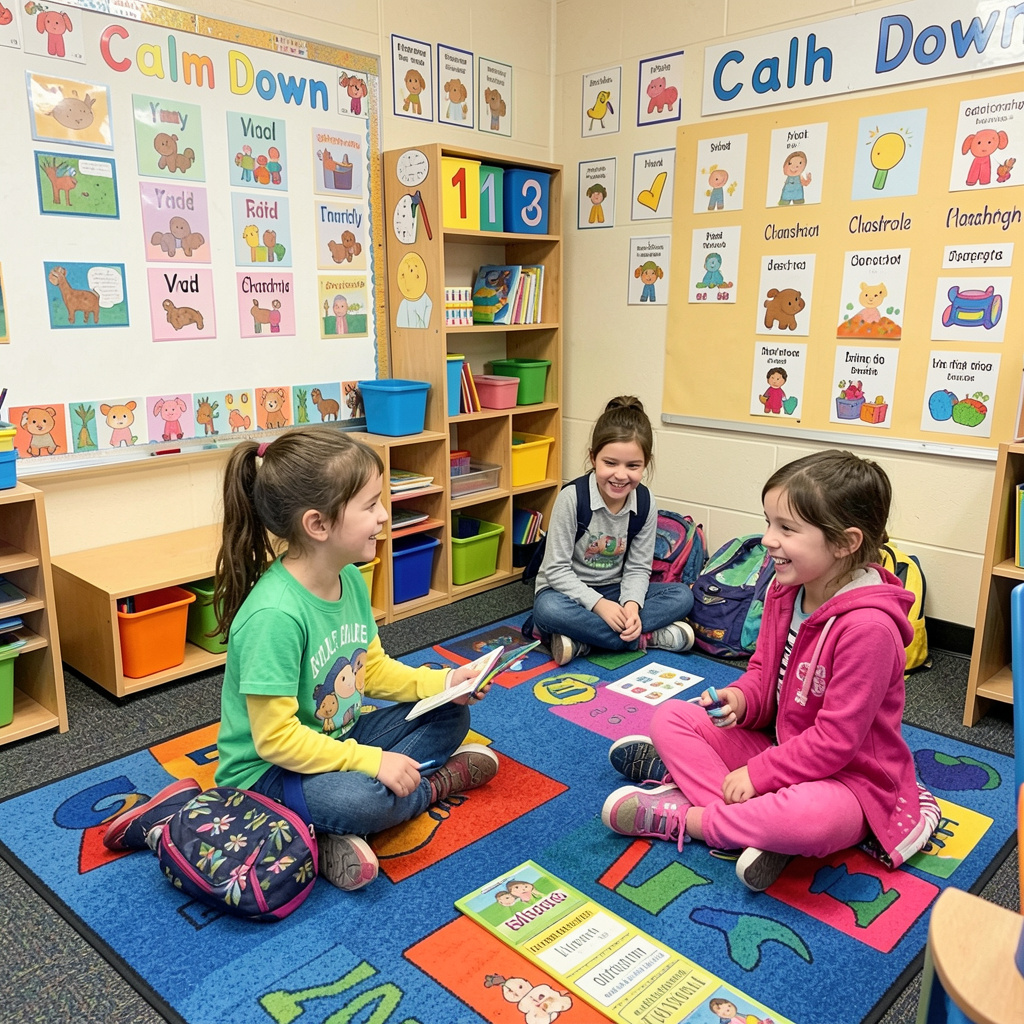
Helping children develop self-control is one of the most valuable gifts caregivers can offer. It shapes how they respond to challenges, manage impulses, and interact with others throughout life. Self-control is not something children are simply born with—it is learned gradually through consistent guidance, supportive environments, and meaningful experiences. When adults model patience, provide structure, […]
Why Predictability Helps Autistic Children Feel Safe

For autistic children, the world can often feel overwhelming, unpredictable, and difficult to navigate. Sensory sensitivities, challenges in processing social cues, and difficulty with sudden changes or transitions can create anxiety and confusion in daily life. In such situations, predictability plays a very important role by offering structure, stability, and a sense of safety. When […]
Exercise & Cognitive Function: Protecting the Brain

The human brain thrives on movement. Physical activity is not only essential for maintaining bodily health but also plays a critical role in preserving and enhancing cognitive function. In today’s fast-paced yet increasingly sedentary world, many people spend long hours sitting—whether at desks, in front of screens, or during commutes. This lack of movement has […]
Understanding Panic and Fear in Aging

Aging is a natural and inevitable process, yet it often brings emotional challenges that can feel overwhelming. Among these, panic and fear are particularly distressing experiences for older adults. These emotions may arise from health concerns, loss of independence, social isolation, or changes in cognitive functioning. While occasional fear is a normal human response, persistent […]
Healthy Growth Milestones in Children: What Parents Should Know

Raising a child involves much more than ensuring physical growth—it’s about nurturing emotional strength, social skills, and a solid mental health foundation. In today’s fast-paced world, children often face academic pressure, stress, and even early signs of attention-related challenges like ADHD. Understanding healthy growth milestones can help parents guide their children toward resilience, self-improvement, and […]
Sleep Hygiene for All Ages: Improving Mood & Cognitive Function

Sleep is often viewed as a passive state, something that simply marks the end of a busy day. In reality, it is a highly active and essential biological process that supports both mental and physical health. Across all stages of life, quality sleep plays a central role in stabilizing mood, enhancing cognitive performance, and maintaining […]
Late-Life Depression: Why It Often Goes Unnoticed

Late-life depression is a growing yet often overlooked mental health concern among older adults. Unlike younger populations, symptoms in the elderly may present differently, making it harder to identify and address. Many seniors experience emotional distress silently, often attributing their feelings to aging or physical health issues. This lack of recognition delays intervention and can […]
When Loneliness Turns Into Clinical Depression

Loneliness is a universal human experience, yet when it becomes prolonged and intense, it can gradually evolve into something far more serious—clinical depression. While occasional feelings of isolation are normal, persistent loneliness can deeply affect mental and physical health. It often goes unnoticed until it begins to interfere with daily functioning, relationships, and overall well-being. […]