
Managing the Confluence of Disability and Age: Policy Obstacles in India
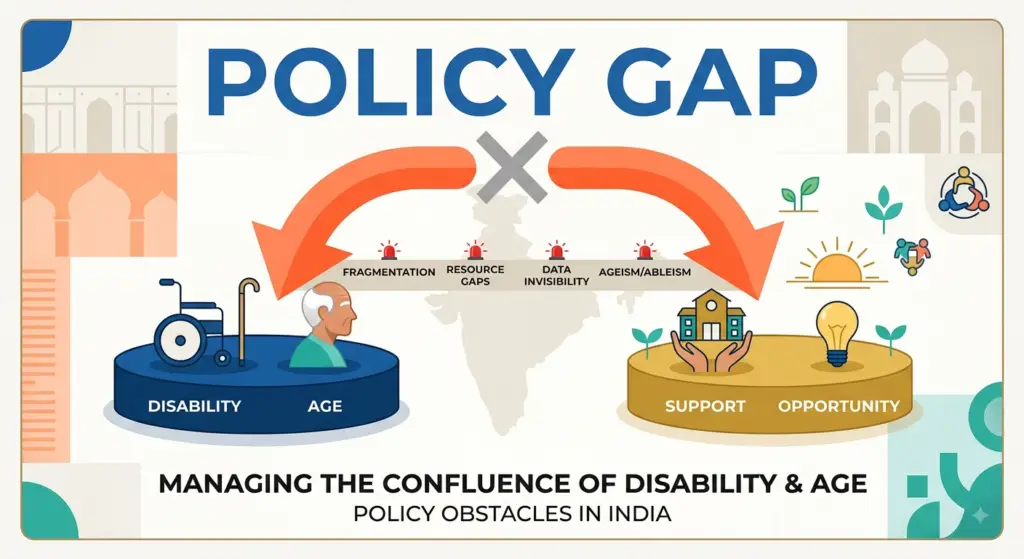
Ageing with a disability can create challenges in mobility, healthcare, social participation, finances, and family support. In India, gaps in accessibility, awareness, and policy implementation continue to affect older adults. Inclusive support should address these overlapping needs with dignity and flexibility. Understanding the Intersection Disability and ageing can overlap in different ways, creating varied support […]
The Care That Walks With You

Care is often associated with illness or dependence, but meaningful care can also be a continuous source of support throughout life. As people age, changes in health, mobility, social roles, and emotional needs may arise. Dependable care can help them navigate these transitions while preserving dignity, independence, and choice. It is not just about assistance […]
Redefining Winning: Active Ageing Beyond Seventy
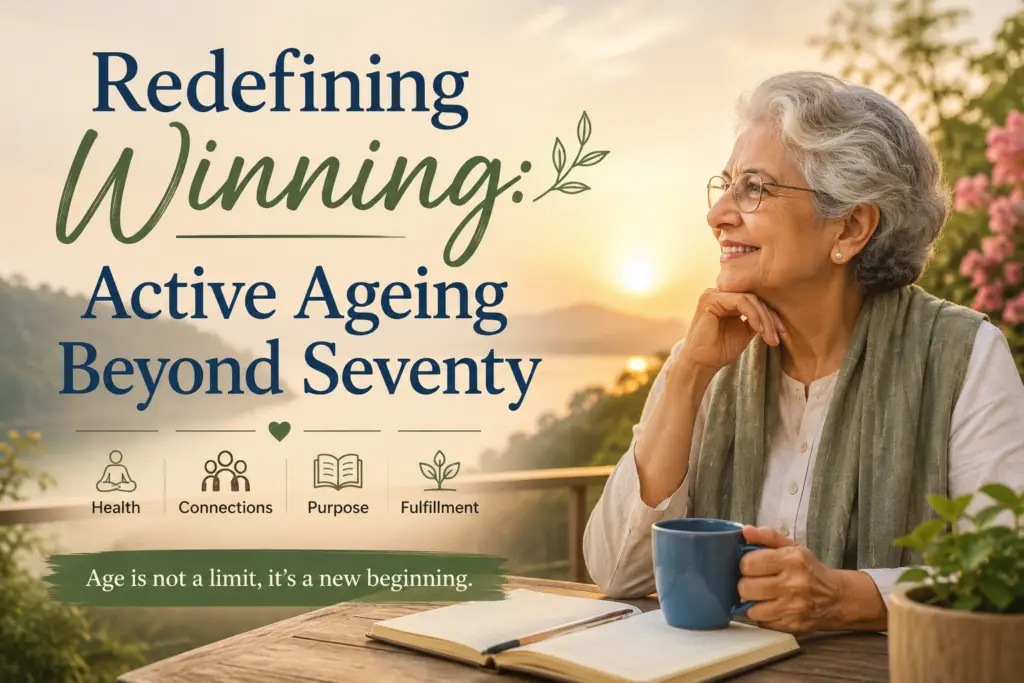
Ageing is more than a number. Life after seventy can continue to involve learning, relationships, activity, creativity, and personal growth. Active ageing focuses on health, independence, connection, and purpose, shifting attention from limitations toward well-being, meaningful engagement, and quality of life. Moving Beyond Traditional Ideas of Success After retirement, traditional measures of success such as […]
Financial Independence & Mental Well-being in Older Adults

Financial independence plays a vital role in ensuring a secure, dignified, and fulfilling life for older adults. While aging often brings changes such as retirement, reduced income, or increased healthcare expenses, maintaining financial stability helps seniors preserve their confidence, autonomy, and emotional well-being. Beyond meeting daily needs, financial independence provides a sense of control over […]
The Power of Reminiscence Therapy: Supporting Mental Well-being in Ageing
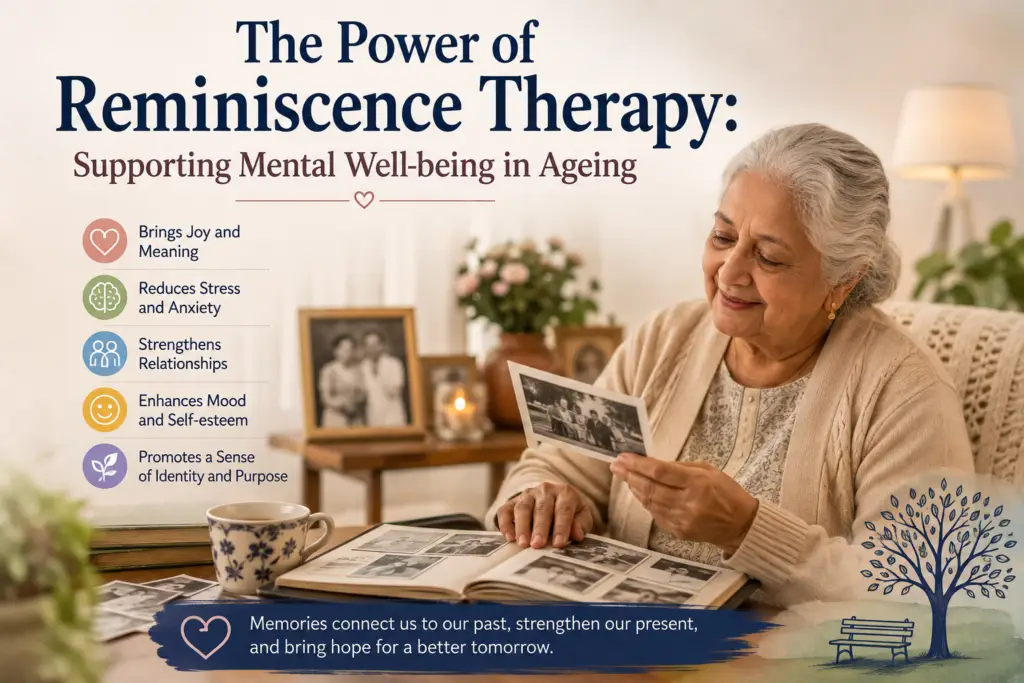
Growing older brings valuable life experiences, but it can also involve challenges such as retirement, health issues, and the loss of loved ones, which may affect emotional well-being. Reminiscence therapy is an evidence-based approach that encourages older adults to reflect on meaningful memories, helping strengthen their sense of identity, enhance emotional well-being, and promote a […]
Elder Abuse: Recognizing the Signs and Taking Action
Growing older should be a stage of life marked by dignity, respect, and security. Unfortunately, many older adults experience mistreatment from those they trust the most. Elder abuse is a serious yet often hidden issue that affects the physical, emotional, social, and financial well-being of senior citizens. Due to fear, dependence on caregivers, social isolation, […]
The Best Exercises to Improve Focus & Brain Health in Seniors

Aging is a natural part of life, but growing older does not necessarily mean losing mental sharpness or independence. While certain changes in memory and attention are common with age, research consistently shows that an active lifestyle can significantly improve cognitive functioning and overall well-being. Just as physical exercise strengthens the body, specific activities can […]
Building Emotional Independence After the Loss of a Spouse

Losing a spouse is one of the most profound life transitions an individual can experience. Beyond the emotional pain, it often brings significant changes in daily routines, social roles, financial responsibilities, and plans. Adapting to life without a lifelong companion can be difficult for many older folks. While grief cannot be rushed or erased, it […]
Why Older Adults Hide Feelings & How Families Can Help
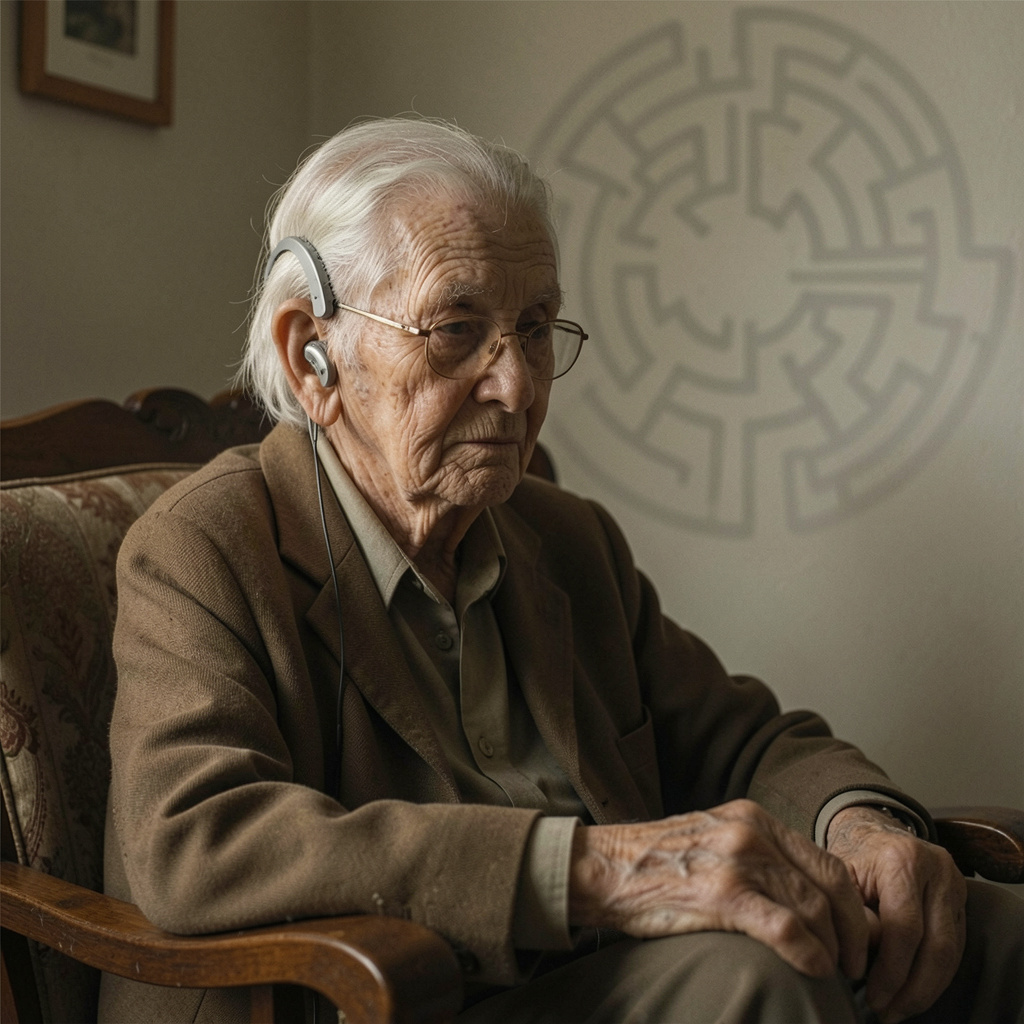
Communication is essential for healthy relationships, yet many older adults become less expressive about their emotions and needs. This silence may sometimes reflect deeper emotional challenges. When seniors stop sharing their feelings, they may experience increased loneliness and emotional disconnection, highlighting the need for a supportive environment where they feel heard and valued. Why Older […]
Recognising Anxiety Disorders in Older Adults: Signs Often Overlooked
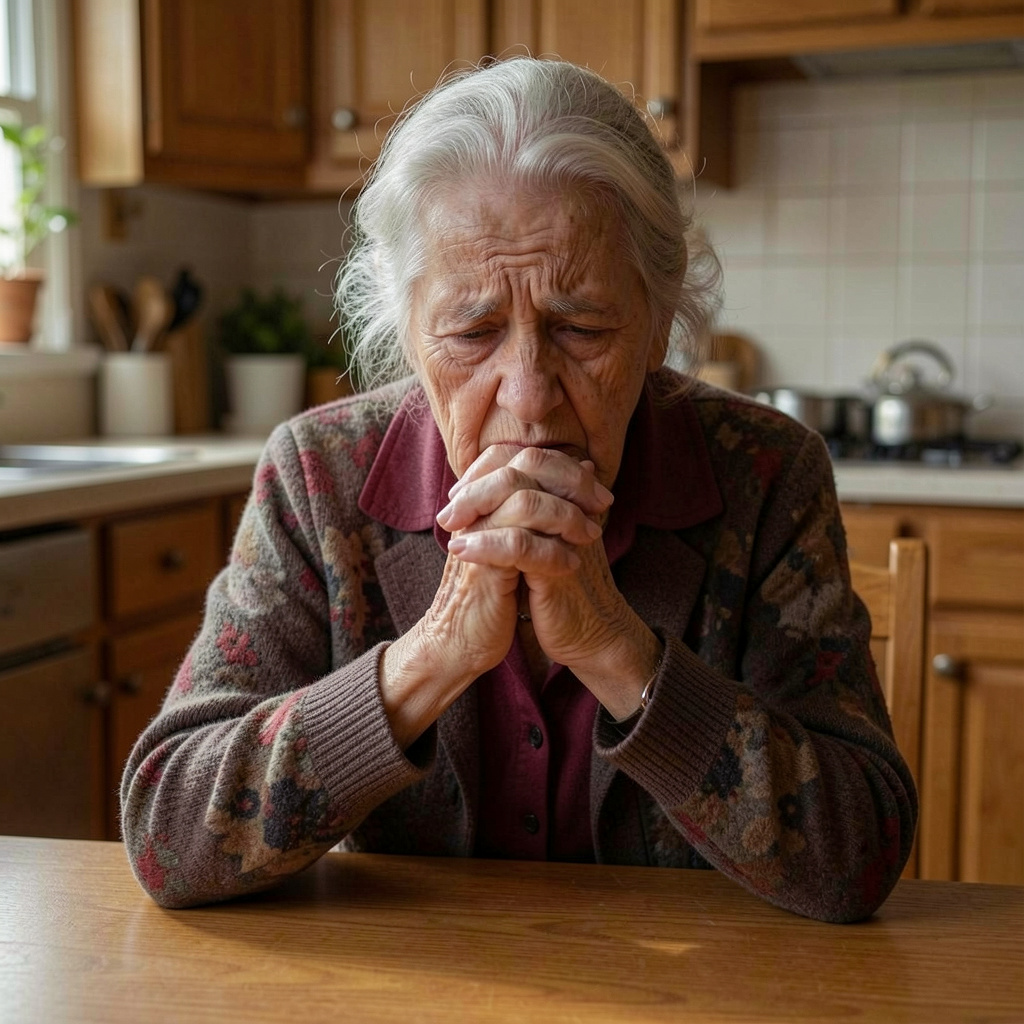
Anxiety is not limited to younger people; older adults can also experience anxiety disorders, often overlooked or mistaken for normal ageing. Life changes such as retirement, health concerns, loss of loved ones, and reduced independence can contribute to persistent worry and distress. Recognising the signs of anxiety disorders in seniors is important, as timely support […]