
Eat Well, Age Well: A Mediterranean-Inspired Start to the Day

Ageing well involves more than living longer; it also means maintaining energy, independence, and quality of life. Breakfast offers an opportunity to provide the body with essential nutrients that support healthy ageing. A Mediterranean-inspired breakfast, featuring fruits, whole grains, nuts, seeds, yoghurt, and healthy fats, can be a practical way to begin the day. This […]
Creating Healthier Workplaces Through Better Sanitation

A clean office is essential for protecting employee health and well-being. Simple sanitation practices, such as hand hygiene, regular surface cleaning, proper waste disposal, and clean facilities, can reduce health risks and create a safer, healthier, and more productive workplace. Why Cleanliness Matters in Shared Spaces Frequently touched surfaces such as door handles, desks, keyboards, […]
Elderly Services: Be a Lifeline for the Elderly
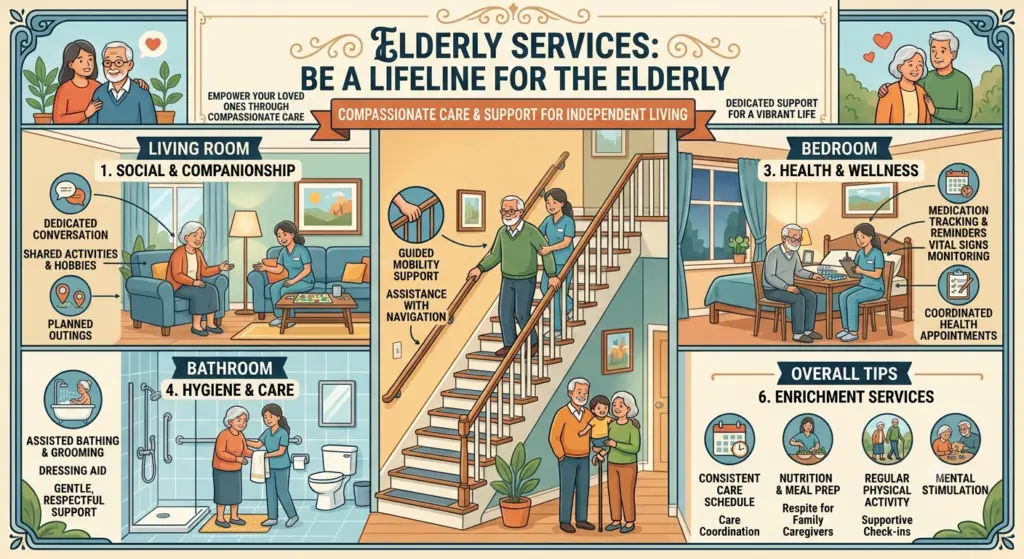
Ageing brings wisdom and meaningful memories but can also involve challenges such as retirement, health changes, reduced mobility, bereavement, financial concerns, and changing family structures. As families become more dispersed, some older adults may need additional support to remain healthy, socially connected, and independent. Elderly services can address practical, emotional, social, and healthcare needs while […]
The Care That Walks With You

Care is often associated with illness or dependence, but meaningful care can also be a continuous source of support throughout life. As people age, changes in health, mobility, social roles, and emotional needs may arise. Dependable care can help them navigate these transitions while preserving dignity, independence, and choice. It is not just about assistance […]
Redefining Winning: Active Ageing Beyond Seventy
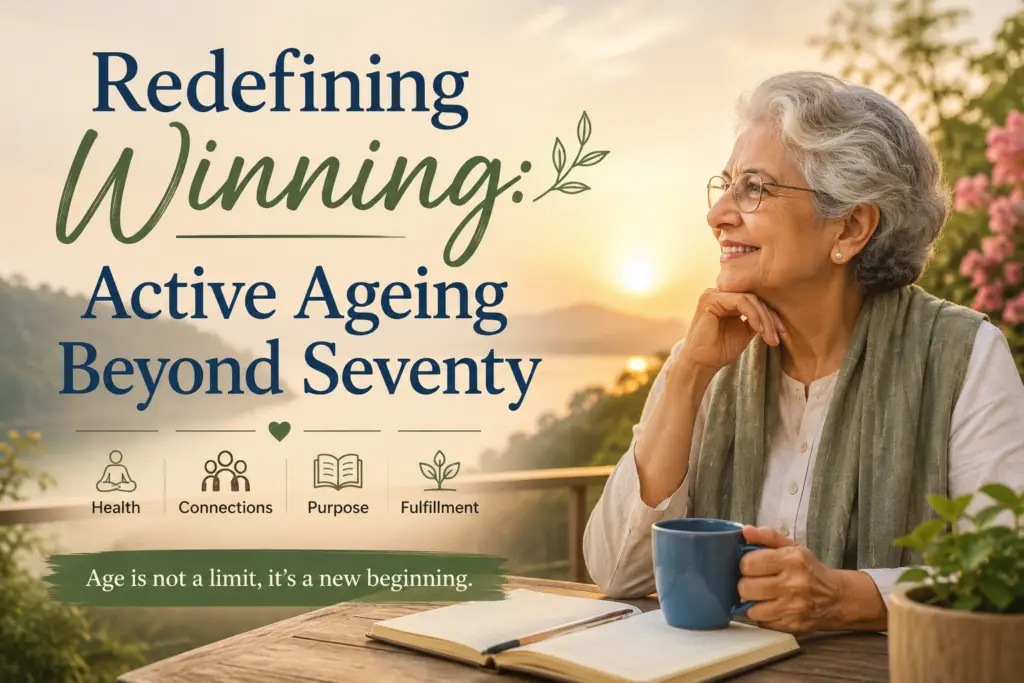
Ageing is more than a number. Life after seventy can continue to involve learning, relationships, activity, creativity, and personal growth. Active ageing focuses on health, independence, connection, and purpose, shifting attention from limitations toward well-being, meaningful engagement, and quality of life. Moving Beyond Traditional Ideas of Success After retirement, traditional measures of success such as […]
The Power of Reminiscence Therapy: Supporting Mental Well-being in Ageing
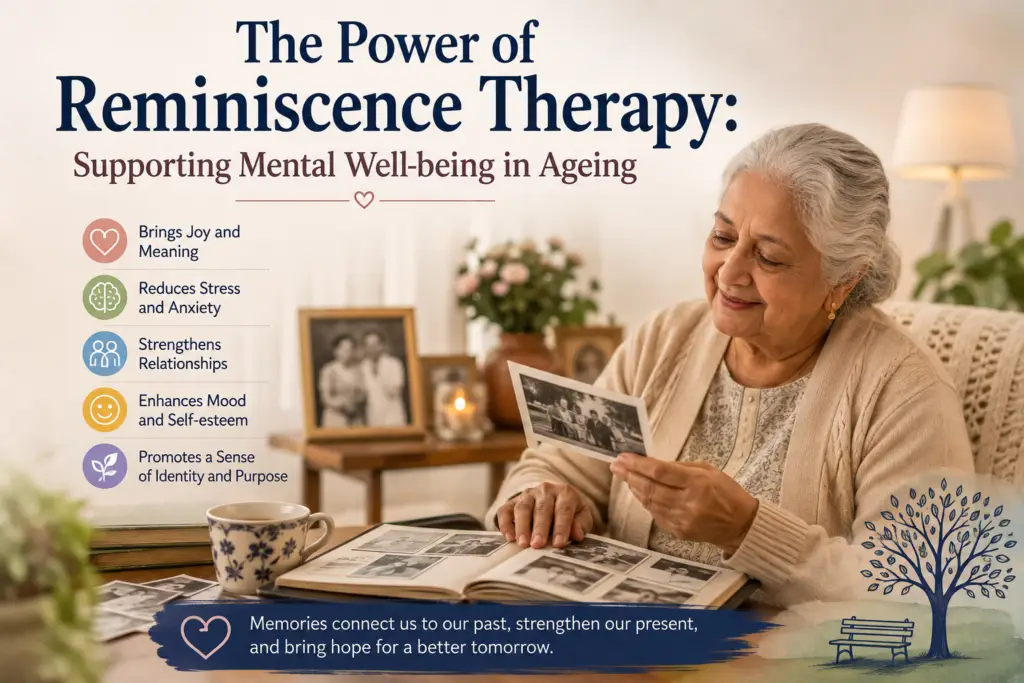
Growing older brings valuable life experiences, but it can also involve challenges such as retirement, health issues, and the loss of loved ones, which may affect emotional well-being. Reminiscence therapy is an evidence-based approach that encourages older adults to reflect on meaningful memories, helping strengthen their sense of identity, enhance emotional well-being, and promote a […]
Building Emotional Independence After the Loss of a Spouse

Losing a spouse is one of the most profound life transitions an individual can experience. Beyond the emotional pain, it often brings significant changes in daily routines, social roles, financial responsibilities, and plans. Adapting to life without a lifelong companion can be difficult for many older folks. While grief cannot be rushed or erased, it […]
Creating an Age-Friendly Home for Independence & Well-Being

As people grow older, their homes become more than just living spaces; they become environments that influence safety, comfort, independence, and emotional health. An age-friendly home is designed to support changing physical, cognitive, and emotional needs while allowing older adults to maintain dignity and control over their daily lives. With thoughtful modifications and a supportive […]
The Psychological Benefits of Having a Pet in Later Life

Ageing brings many meaningful experiences, including wisdom, personal growth, and deeper appreciation for relationships. However, later life can also involve significant changes such as retirement, changes in routine, reduced social interaction, and the loss of loved ones. These transitions may affect emotional well-being and overall quality of life. In recent years, research has highlighted the […]
Emotional Resilience in Later Life: How Older Adults Cope with Stress

Later life is often portrayed as a period of rest, wisdom, and greater freedom. While these experiences may be meaningful, aging can also involve major transitions that require psychological adjustment. Retirement, changes in daily routines, chronic health conditions, reduced independence, financial concerns, caregiving responsibilities, bereavement, and changes in social roles may create emotional challenges. However, […]