
Fall Prevention for Elderly: Expert-Backed Exercises and Home Safety Tips
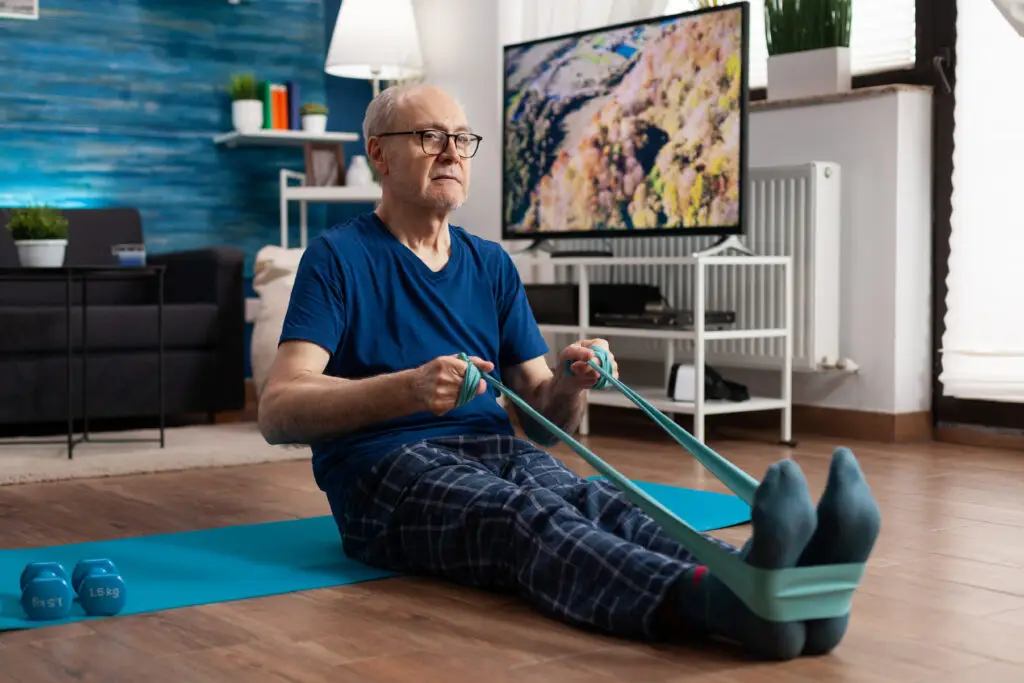
Falls are one of the most common threats to independence and quality of life in later life. They can result in fractures, head injuries, reduced mobility, hospitalisation, and fear of falling again. According to the World Health Organization (WHO), adults over 60 experience the greatest number of fatal falls, while fall prevention requires a combination […]
From the desk of a home-confined senior citizen
There is a particular kind of silence that settles into a home once the world outside stops asking you to show up. My knees no longer carry me down three flights of stairs, my eyes struggle with the evening traffic, and so, slowly, my world has shrunk to the four walls of this room. I […]
The Benefits of Resistance Training for Seniors
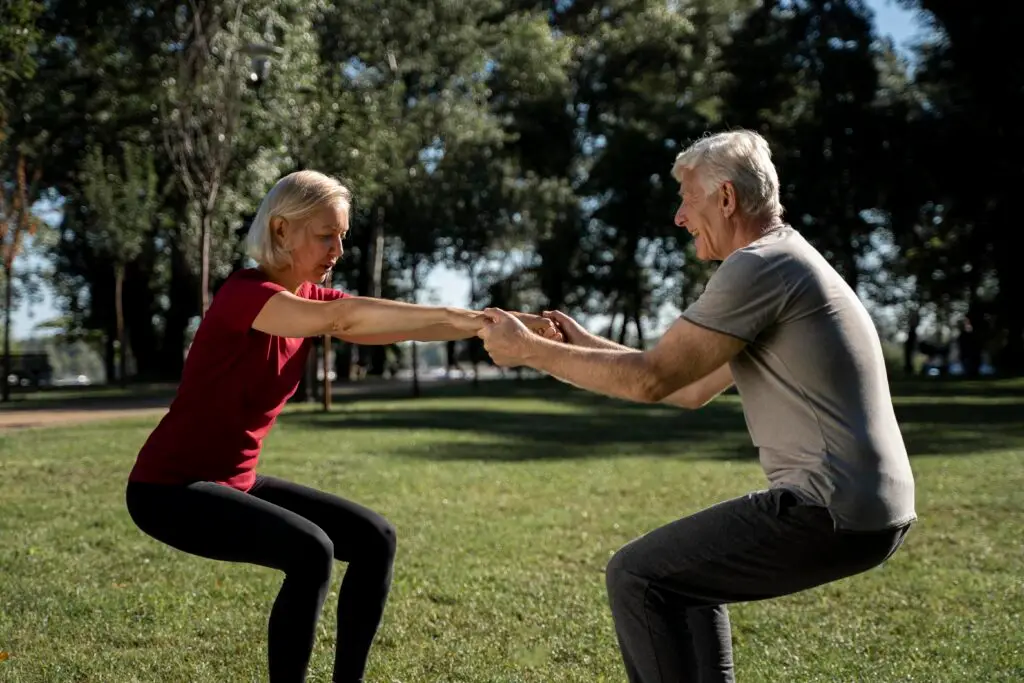
Ageing is a natural process, but growing older does not mean giving up strength, independence, or an active lifestyle. As people age, muscle mass, bone density, balance, and physical endurance can gradually decline. These changes may make everyday activities such as climbing stairs, carrying groceries, getting up from a chair, or walking outdoors more challenging. […]
Creating an Age-Friendly Home for Independence & Well-Being
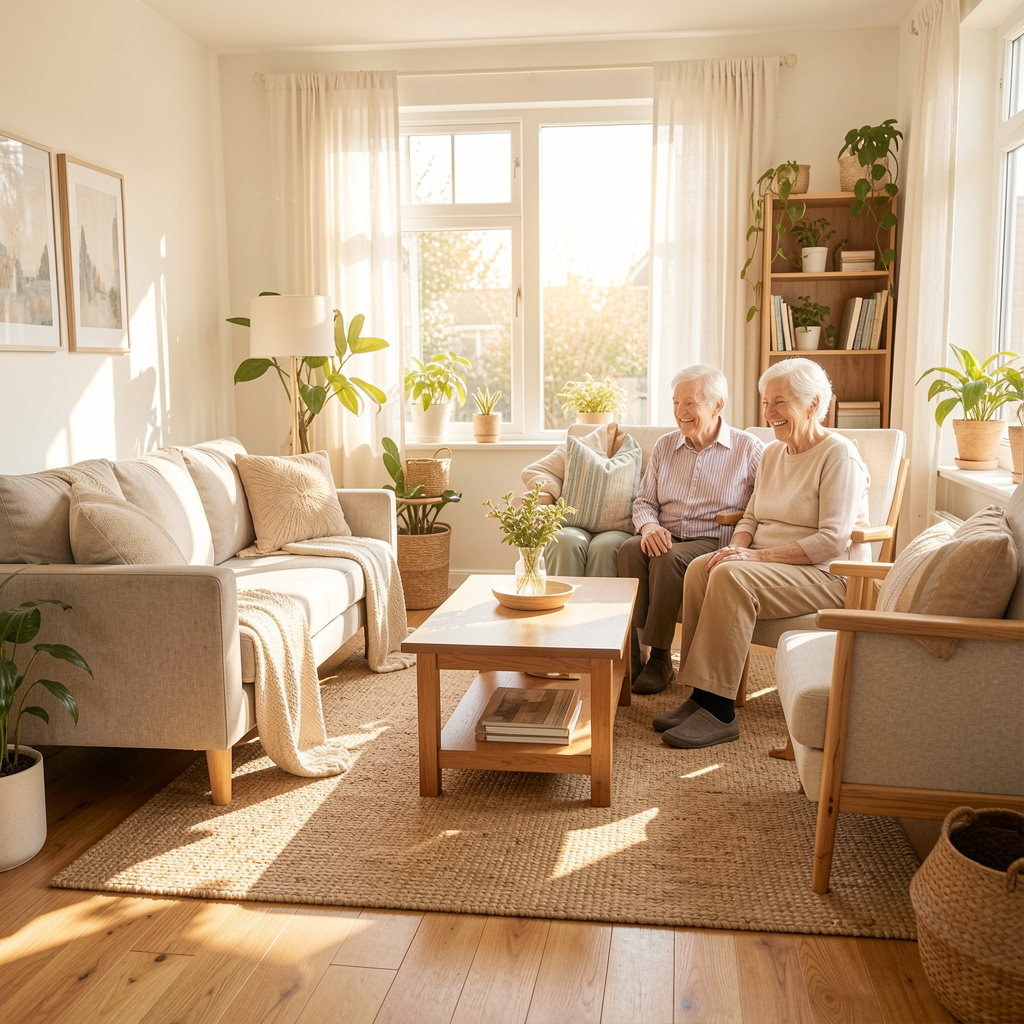
As people grow older, their homes become more than just living spaces; they become environments that influence safety, comfort, independence, and emotional health. An age-friendly home is designed to support changing physical, cognitive, and emotional needs while allowing older adults to maintain dignity and control over their daily lives. With thoughtful modifications and a supportive […]
Caregiver Stress: How Families Can Support Without Burning Out

Caring for a loved one is one of the most meaningful expressions of compassion and commitment. Whether supporting an aging parent, a spouse with a chronic illness, or a family member recovering from a medical or psychological condition, caregiving often becomes an integral part of daily life. While caregiving can foster deeper emotional bonds and […]
Emotional Resilience in Later Life: How Older Adults Cope with Stress

Later life is often portrayed as a period of rest, wisdom, and greater freedom. While these experiences may be meaningful, aging can also involve major transitions that require psychological adjustment. Retirement, changes in daily routines, chronic health conditions, reduced independence, financial concerns, caregiving responsibilities, bereavement, and changes in social roles may create emotional challenges. However, […]
Understanding the Aging Process: What Changes Are Normal?

Aging is a natural and lifelong process that brings gradual physical, cognitive, emotional, and social changes. While many people associate aging with illness or disability, growing older does not necessarily mean poor health or a loss of independence. In fact, many age-related changes are a normal part of life and can be managed successfully through […]
Bridging the Generation Gap in Modern Families
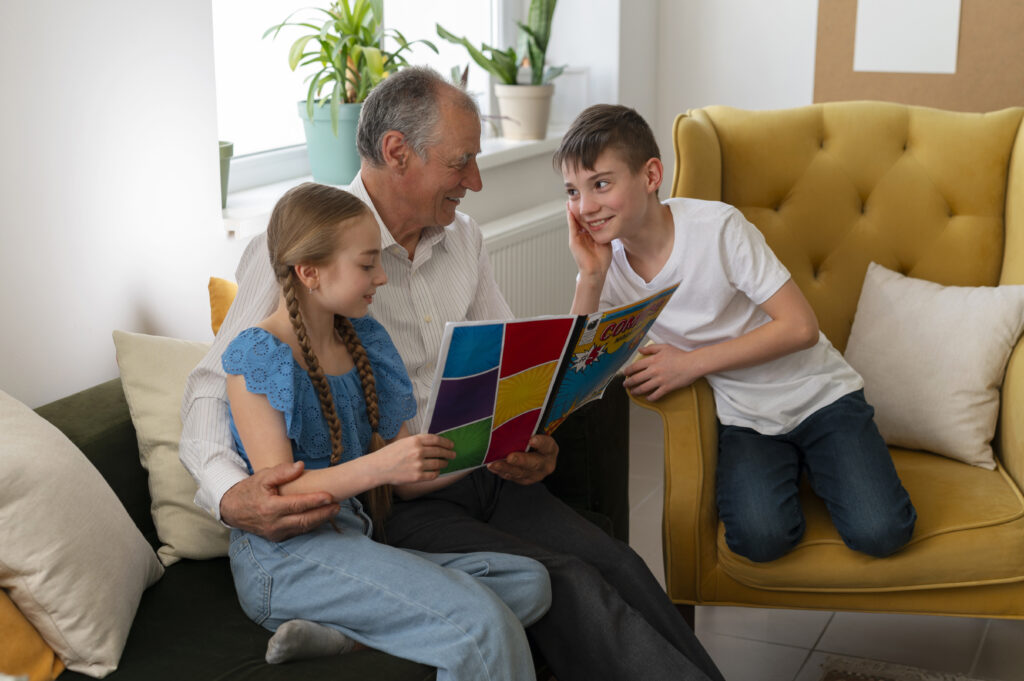
Families has its own traditions, values, and ways of communicating. However, as societies evolve rapidly due to technological advancements, changing lifestyles, globalization, and shifting cultural expectations, differences between generations have become more noticeable than ever. Grandparents, parents, and children often grow up in entirely different social environments, shaping unique perspectives on work, education, communication, and […]
Is It Normal for Older Adults to Become More Stubborn or Impulsive?
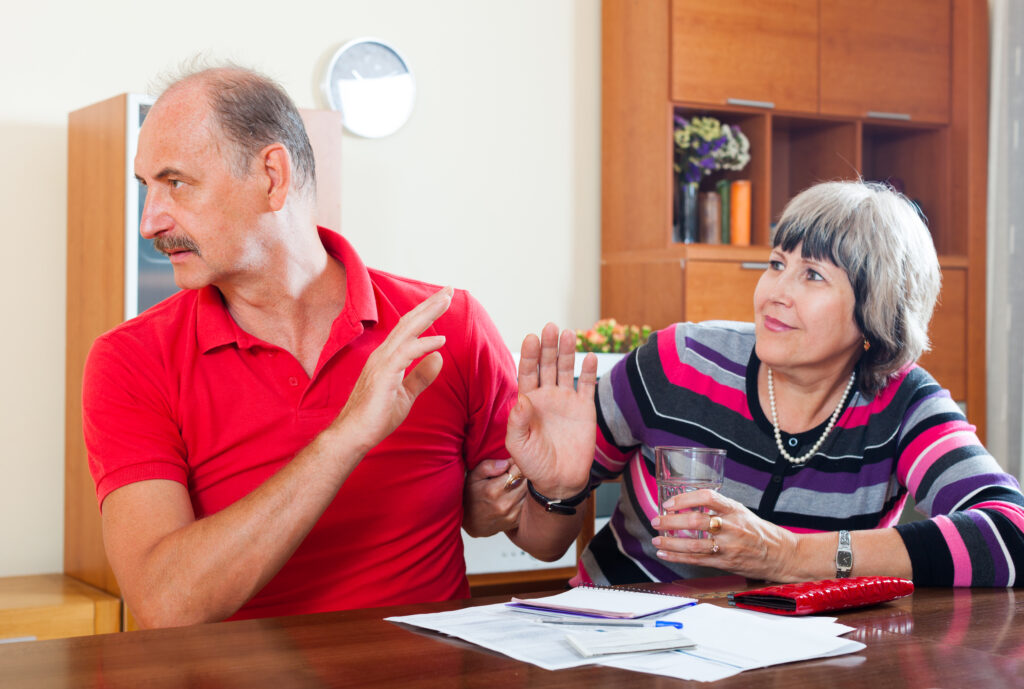
Older adults bring many physical, emotional, and cognitive changes that can influence the way a person thinks, behaves, and responds to everyday situations. Families often notice that an older loved one who was once flexible and easygoing has become more resistant to change, emotionally reactive, or unexpectedly impulsive. These observations frequently lead to questions such […]
Five Common Challenges Grandparents Face with Generation Z

Grandparents play an important role in providing love, guidance, and emotional support to younger family members. However, the rapid social, technological, and cultural changes experienced by Generation Z have created new dynamics within families. It can occasionally be challenging for grandparents and grandchildren to understand each other due to differences in communication methods, values, and […]