
Creating Healthier Workplaces Through Better Sanitation

A clean office is essential for protecting employee health and well-being. Simple sanitation practices, such as hand hygiene, regular surface cleaning, proper waste disposal, and clean facilities, can reduce health risks and create a safer, healthier, and more productive workplace. Why Cleanliness Matters in Shared Spaces Frequently touched surfaces such as door handles, desks, keyboards, […]
Dealing with Guilt After the Death of a Partner

Losing a life partner is one of the most emotionally painful experiences a person can go through. A spouse or partner is often not just a companion but also a source of emotional support, identity, comfort, and shared memories. After their death, people experience deep grief, loneliness, confusion, and emotional emptiness. Along with sadness, many […]
The Silent Crisis of Abandonment

In today’s fast-paced and hyperconnected world, a paradoxical emotional crisis is quietly unfolding abandonment. While people are more digitally connected than ever before, many are experiencing deep emotional disconnection, loneliness, and feelings of being left behind. This silent crisis of abandonment is not always visible, yet it significantly impacts mental health, relationships, and overall well-being. […]
Role of Children in Supporting a Widowed Parent

The loss of a spouse is one of the most emotionally painful experiences an individual can face, especially during later stages of life. For widowed parents, the absence of a life partner often creates emotional emptiness, uncertainty, and major lifestyle adjustments. Losing a companion who shared decades of memories, responsibilities, and emotional support can lead […]
The Intersection of Poverty and Mental Health

Poverty is often understood in terms of limited financial resources, but its impact extends far beyond economic hardship. It influences living conditions, access to education, healthcare availability, and overall quality of life. One of the most significant yet frequently overlooked dimensions of poverty is its effect on mental health. Individuals experiencing financial instability often face […]
Helping Children Build Healthy Self-Control
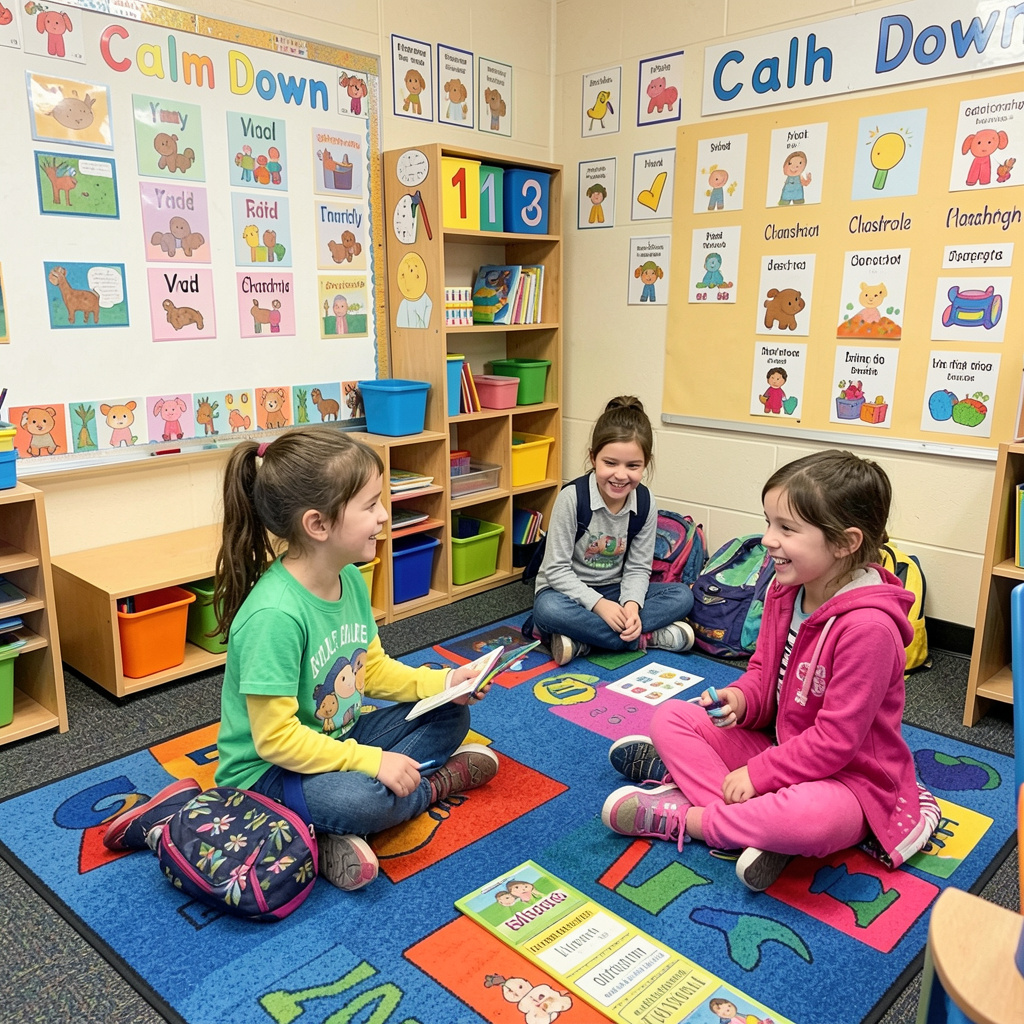
Helping children develop self-control is one of the most valuable gifts caregivers can offer. It shapes how they respond to challenges, manage impulses, and interact with others throughout life. Self-control is not something children are simply born with—it is learned gradually through consistent guidance, supportive environments, and meaningful experiences. When adults model patience, provide structure, […]
Why Predictability Helps Autistic Children Feel Safe

For autistic children, the world can often feel overwhelming, unpredictable, and difficult to navigate. Sensory sensitivities, challenges in processing social cues, and difficulty with sudden changes or transitions can create anxiety and confusion in daily life. In such situations, predictability plays a very important role by offering structure, stability, and a sense of safety. When […]
Medical Care for Elderly Patients in Poor Health

The aging population is growing rapidly across the world, and with it comes an increased need for specialized medical care. Elderly individuals, particularly those in poor health, often face complex medical conditions, limited mobility, and emotional challenges. Ensuring proper medical care for this vulnerable group is not only a healthcare priority but also a social […]
Creating Safer Lives: Supporting and Advocating for the Elderly

Ageing is often associated with wisdom and life experience, yet for many elders, it also brings increased vulnerability. Safety in later life is not limited to physical protection; it extends to emotional security, financial stability, and social inclusion. Creating safer lives for the elderly requires a comprehensive approach that recognises their rights, respects their autonomy, […]
Technology and Aging: The Cost of Being Left Behind

In today’s fast-paced digital world, technology is deeply woven into the fabric of everyday life. From online banking and telemedicine to social media and e-governance, digital tools are transforming how we live, communicate, and access services. While these advancements bring convenience and efficiency, they also highlight a growing concern about the widening digital divide between […]